
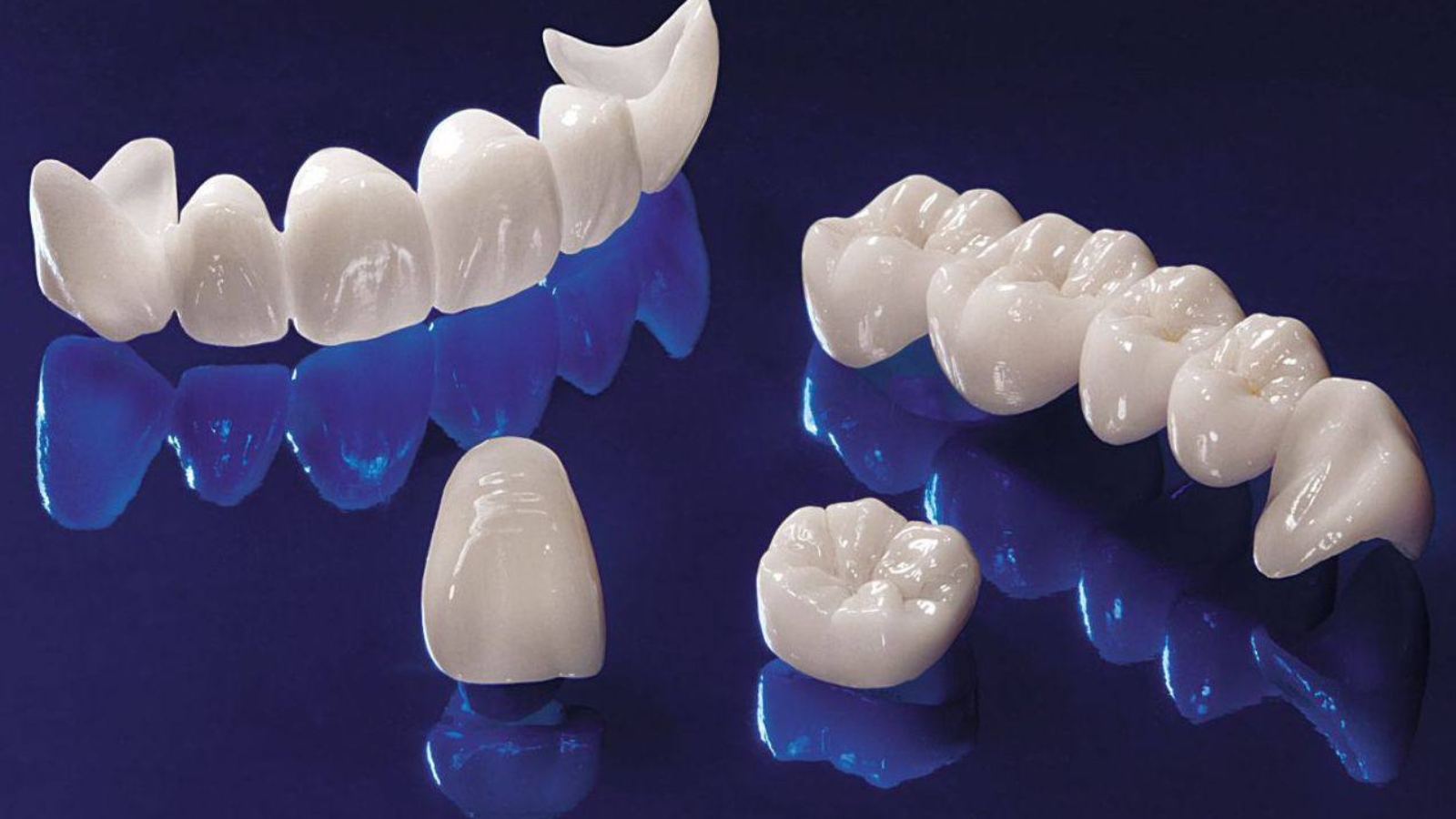
Modern prosthetic dentistry strives to achieve the optimal balance between aesthetics and biomechanical reliability, and metal-free ceramics have become one of the most significant advancements in this field. Professor Alexander von Breuer emphasises that the success of a prosthetic restoration is determined not only by its visual appeal but also by its ability to integrate harmoniously into the occlusal system without creating excessive stress. At DentalClinic24, metal-free ceramic restorations are viewed as a means of restoring natural tooth anatomy while maintaining long-term functional stability.
One of the primary advantages of metal-free ceramics is their optical similarity to natural enamel. Light transmission, translucency, and depth of shade allow for seamless aesthetic integration within the dental arch. Unlike metal-ceramic restorations, there is no risk of metal framework visibility or darkening of the gingival margin. At DentalClinic24, shade and shape selection are carried out with consideration of anatomical characteristics, facial expressions, and tooth positioning within the smile to achieve a natural and harmonious outcome.
However, aesthetics alone is not sufficient as a selection criterion. Contemporary ceramic materials – such as zirconia and lithium disilicate – offer high strength and resistance to masticatory load. Their microstructure enables uniform stress distribution and reduces the risk of chipping. At DentalClinic24, material selection is based on bite analysis, chewing force evaluation, and assessment of opposing dentition, ensuring minimisation of overload and extended restoration longevity.
The biomechanical stability of a restoration is directly related to the precision of its fabrication and cementation. Metal-free crowns and veneers require meticulous tooth preparation and strict adherence to adhesive protocols. At DentalClinic24, digital modelling and seating verification are performed prior to final cementation, ensuring accurate fit and marginal sealing. This reduces the risk of microleakage and secondary caries.
Equally important is the interaction between ceramic materials and soft tissues. Their biocompatibility helps prevent inflammatory reactions and supports long-term gingival contour stability. At DentalClinic24, the position of the biological width and periodontal characteristics are carefully evaluated to ensure that prosthetic restorations do not disrupt physiological balance.
In anterior restorations, metal-free ceramics allow reproduction of individual anatomical features and surface texture. Microrelief and natural colour transitions are refined during laboratory modelling. At DentalClinic24, the aesthetic phase is closely integrated with functional analysis, as the incisal edge design and contact zones must comply with occlusal requirements.
Longevity remains a crucial consideration. Despite the high durability of modern ceramic systems, their stability depends on proper load distribution. At DentalClinic24, occlusal contacts are evaluated and adjusted after cementation when necessary. This careful monitoring helps prevent microdamage and preserves the integrity of the material.
Thus, metal-free ceramics combine aesthetic potential with functional reliability, yet their application requires precise diagnostics and comprehensive planning. At Dental Clinic24, prosthetic restorations are regarded as components of a unified biomechanical system, where every detail – from anatomical design to cementation – influences long-term prognosis. The integration of aesthetics, anatomical accuracy, and functional analysis ensures stable results and preserves harmony within the dentofacial system.
Previously, we wrote about Pathological Tooth Wear at DentalClinic24 – Diagnosis of Occlusal Disorders and a Strategy for Restoring Bite Height