
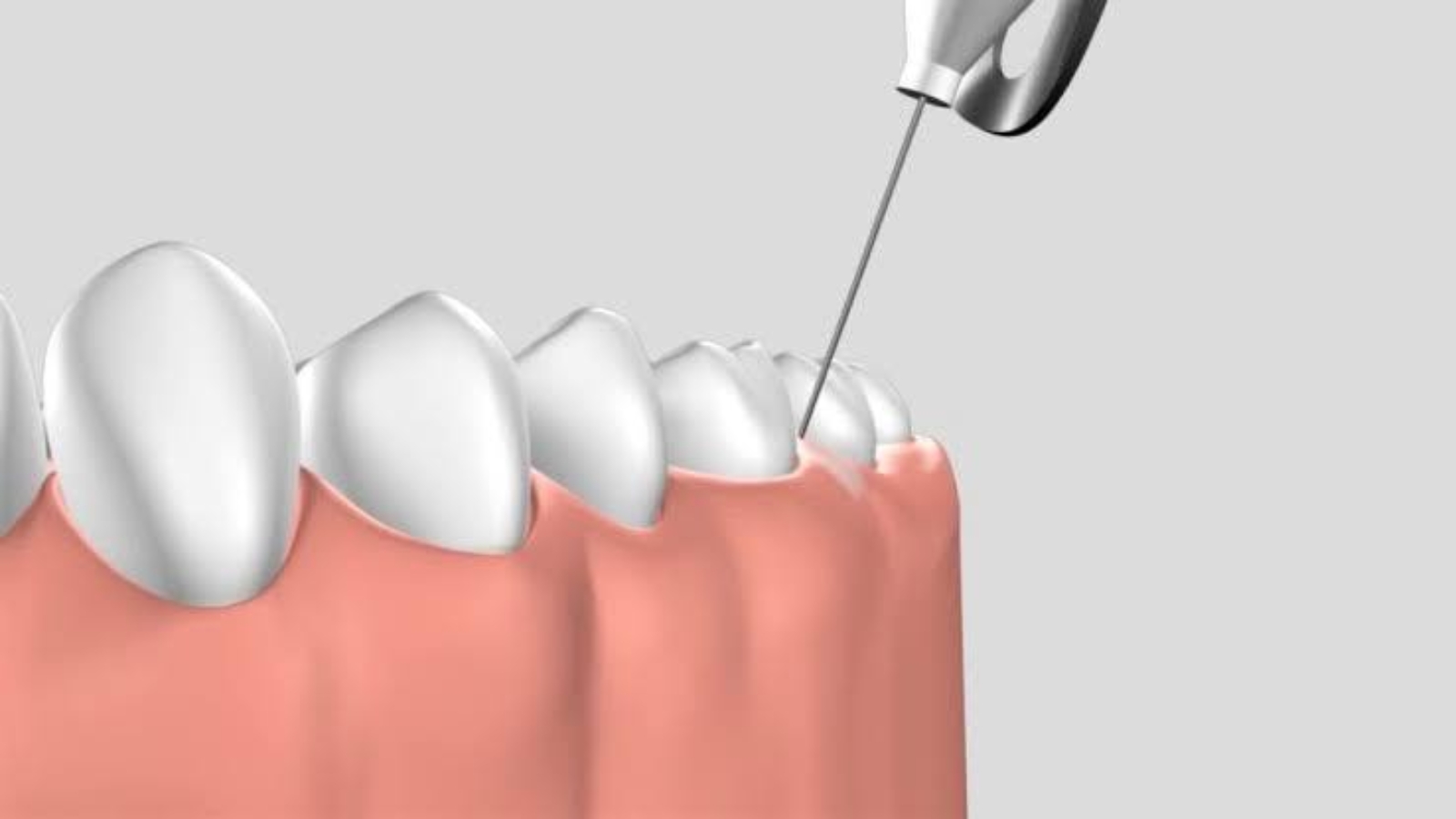
Pain control in dentistry is not an auxiliary measure but a full-fledged clinical tool that directly affects treatment quality and outcome predictability. Professor Alexander von Breuer says that the choice of anaesthesia should be based not only on the expected level of procedural discomfort, but also on the patient’s individual physiological response, the condition of the nervous system, and the overall medical background. At DentalClinic24, this principle underpins the approach to pain management at every stage of treatment.
Modern pain-control methods differ significantly from traditional concepts of dental anaesthesia. Today, the clinician’s task is not merely to block pain sensations, but to create conditions in which the procedure proceeds physiologically, without unnecessary systemic stress. At DentalClinic24, the selection of an anaesthetic method takes into account the patient’s age, anxiety level, presence of chronic conditions, and previous dental experience.
Clinical decision-making always begins with an assessment of individual sensitivity. Some patients respond quickly and predictably to standard dosages, while others show increased sensitivity or, conversely, reduced effectiveness of medications. At DentalClinic24, such characteristics are identified during the initial consultation, helping to avoid both insufficient and excessive anaesthesia.
Safety is of paramount importance. Any anaesthetic has systemic effects, which means its use requires strict control. At DentalClinic24, agents with a predictable pharmacological profile are used, and anaesthesia is administered with consideration of cardiovascular status, respiratory function, and metabolic processes. This approach reduces the risk of adverse reactions and improves overall tolerability.
Equally important is the duration and controllability of analgesia. Some clinical situations require short-term anaesthetic action, while others demand stable pain control throughout the procedure. At DentalClinic24, anaesthesia is selected so that its duration corresponds precisely to the actual length of the intervention and does not exceed what is clinically necessary.
The psychological component of pain is also taken into account. Even with adequate pharmacological anaesthesia, high anxiety levels can amplify subjective sensations. At DentalClinic24, communication with the patient before treatment is considered part of the pain-management strategy, helping to reduce tension and enhance the effectiveness of the chosen method.
Clinical choice also depends on the type of procedure. Therapeutic treatment, endodontics, surgery, and prosthetics all require different pain-control approaches. At DentalClinic24, there are no universal solutions – each intervention is evaluated in terms of invasiveness, duration, and the individual tissue response.
Another important aspect is monitoring sensory recovery after treatment. Excessively prolonged anaesthesia can cause discomfort and concern for patients. At DentalClinic24, preference is given to methods that ensure a smooth and predictable resolution of anaesthetic effects without abrupt or unpleasant sensations.
For patients, a well-chosen anaesthetic method means more than just the absence of pain – it creates a sense of safety and control. When pain control is tailored individually, treatment is perceived as a structured medical process rather than a stressful experience. At DentalClinic24, this is considered a fundamental element of high-quality dental care.
Thus, pain-control methods at Dental Clinic24 are selected based on clinical analysis, individual sensitivity, and safety priorities. This approach ensures patient comfort without compromising treatment quality and reduces risks both during the procedure and throughout the recovery period.
Previously, we wrote about oral health as a systemic indicator and the clinical approach of DentalClinic24 to prevention and early detection of disorders