
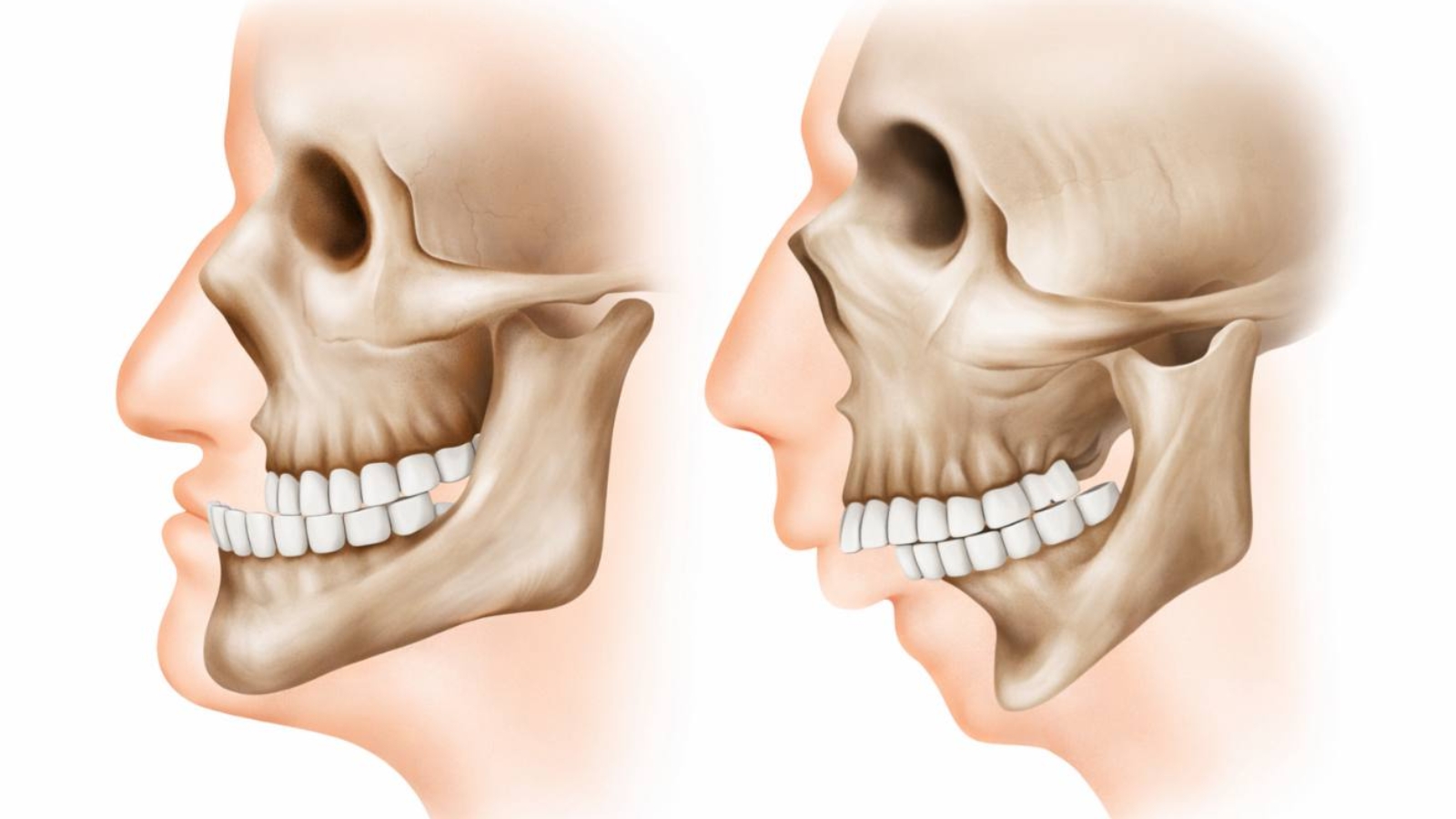
Micrognathia is a complex anatomical and functional condition in which the size of one or both jaws does not correspond to physiological norms. Professor Alexander von Breuer emphasizes that micrognathia should not be viewed solely as an aesthetic characteristic – it is a condition that affects occlusion, respiratory function, and the overall biomechanics of the dentofacial system. At DentalClinic24, micrognathia is approached as a systemic clinical challenge that requires a comprehensive and well-structured strategy.
Jaw underdevelopment has a direct impact on bite formation. Limited space for tooth eruption leads to crowding, rotations, and displacement of the dental arches. These changes often develop gradually and may remain unnoticed in the early stages. At DentalClinic24, particular attention is paid to identifying micrognathia before it results in secondary occlusal complications.
The influence of micrognathia extends beyond the dental arches. Narrowed jaw arches and reduced oral cavity volume are frequently associated with impaired nasal breathing and the development of mouth breathing. This, in turn, affects tongue position, muscle tone, and overall bite stability. At DentalClinic24, these interrelationships are considered part of a unified clinical analysis rather than isolated findings.
Functional changes associated with micrognathia also involve the temporomandibular joint. Disproportionate jaw size alters the movement trajectory of the mandible, which can lead to asymmetry, overload of joint structures, and chronic discomfort. At DentalClinic24, assessment of joint function is a mandatory component of diagnostics when micrognathia is suspected.
Treatment strategy for micrognathia cannot be universal. It depends on the patient’s age, the severity of jaw underdevelopment, the condition of the airways, and the adaptive capacity of the tissues. At DentalClinic24, treatment planning is based on prognosis – evaluating not only the possibility of correction, but also its long-term stability.
In children, micrognathia requires particularly careful monitoring. Early diagnosis makes it possible to use growth potential for guided correction and to reduce the need for invasive interventions later in life. At DentalClinic24, pediatric patients with signs of micrognathia are observed dynamically, taking into account the stages of jaw growth and bite formation.
In adult patients, micrognathia treatment more often requires a combined approach. Orthodontic correction, functional therapy, and, when necessary, prosthetic solutions are selected with careful consideration of anatomical limitations. At DentalClinic24, the key principle remains preservation of functional balance and prevention of overload.
It is important to understand that micrognathia affects not only the teeth, but overall quality of life. Breathing disturbances, masticatory muscle fatigue, and aesthetic concerns are often interconnected. At DentalClinic24, treatment is structured to address all of these aspects rather than eliminating individual symptoms in isolation.
Professor Alexander von Breuer emphasizes that successful management of micrognathia is determined not by the speed of correction, but by diagnostic accuracy and the logical sequence of clinical steps. This approach allows for stable and predictable outcomes.
Thus, micrognathia is a multi-level clinical condition influencing occlusion, breathing, and the function of the entire dentofacial system. At Dental Clinic24, its diagnosis and treatment are based on systemic analysis, interdisciplinary thinking, and long-term prognosis.
Previously, we wrote about the function of orthodontic archwires in bracket systems at DentalClinic24 and how controlled forces ensure predictable tooth movement