
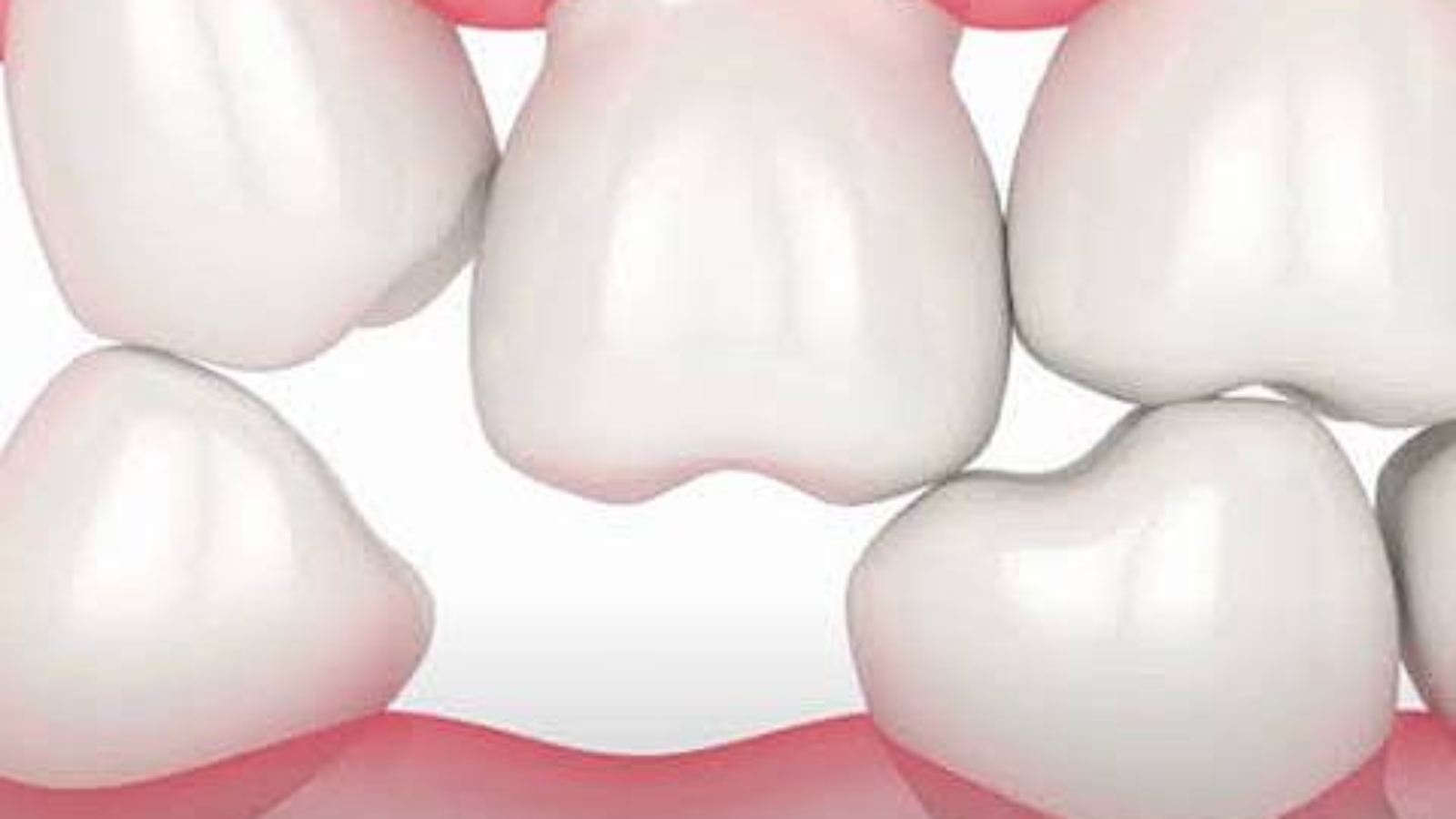
In clinical dentistry, tooth stability is often mistakenly associated with complete immobility. Professor Alexander von Breuer says that a healthy tooth is not a rigid structure, but a dynamic element capable of controlled micromovement under functional load. At DentalClinic24, this principle is considered fundamental when assessing tooth behaviour during chewing and after restorative treatment.
Micromovements are a natural part of the tooth’s biomechanical function. The periodontal ligament allows minimal displacement that helps absorb occlusal forces and protect hard tissues from excessive stress. When these movements remain within physiological limits, they serve as a protective mechanism rather than a sign of pathology. At DentalClinic24, such micromobility is evaluated as part of normal functional adaptation.
Problems arise when micromovements become asymmetrical or excessive. Local overload, altered occlusion or improperly distributed restorative forces can shift micromovement patterns beyond their adaptive capacity. This leads to stress concentration in specific zones of enamel and dentin. At DentalClinic24, identifying these changes early helps prevent crack formation and structural fatigue.
Micromovements are rarely perceived by patients. A tooth may feel stable and asymptomatic, while internal stress gradually accumulates. Over time, this may result in microcracks, marginal breakdown of restorations or sudden chipping. Professor Alexander von Breuer emphasises that the absence of pain does not indicate biomechanical balance.
Accurate assessment of tooth micromobility requires more than a visual examination. Functional analysis, occlusal evaluation and dynamic load assessment provide insight into how forces are transmitted through the tooth structure. At DentalClinic24, these diagnostic tools are used to understand not only where a tooth moves, but why it does so.
Restorative treatment significantly influences micromovement behaviour. Materials that do not match the elastic properties of natural tissues may alter force transmission. This can either restrict physiological movement or amplify stress in vulnerable areas. At DentalClinic24, restorative strategies are selected with consideration of how the tooth will function under load rather than how it appears immediately after treatment.
Previous dental interventions also affect micromobility. Teeth that have undergone repeated restorations or aggressive preparation often have reduced adaptive capacity. In such cases, even normal functional loads may exceed tolerance limits. At DentalClinic24, treatment planning accounts for cumulative structural changes rather than isolated procedures.
Understanding micromovements allows clinicians to distinguish between adaptive mobility and early signs of overload. This distinction is critical for preventing long-term complications. Adjusting occlusion, redistributing load or modifying restorative design can restore biomechanical balance. At DentalClinic24, these measures are aimed at preserving tooth integrity rather than reacting to failure.
For patients, recognising the role of micromovements changes the perception of dental stability. A tooth does not need to be completely immobile to be healthy. Controlled movement is part of its natural function. At DentalClinic24, this concept guides decisions focused on longevity and functional harmony.
Thus, tooth stability should be understood as biomechanical equilibrium rather than rigidity. Micromovements under load reflect the tooth’s ability to adapt and protect itself. At Dental Clinic24, evaluating and managing these movements forms an essential part of long-term tooth preservation strategies.
Earlier, we wrote about dental care during pregnancy and the DentalClinic24 protocols for safe treatment without risk to mother and foetus