
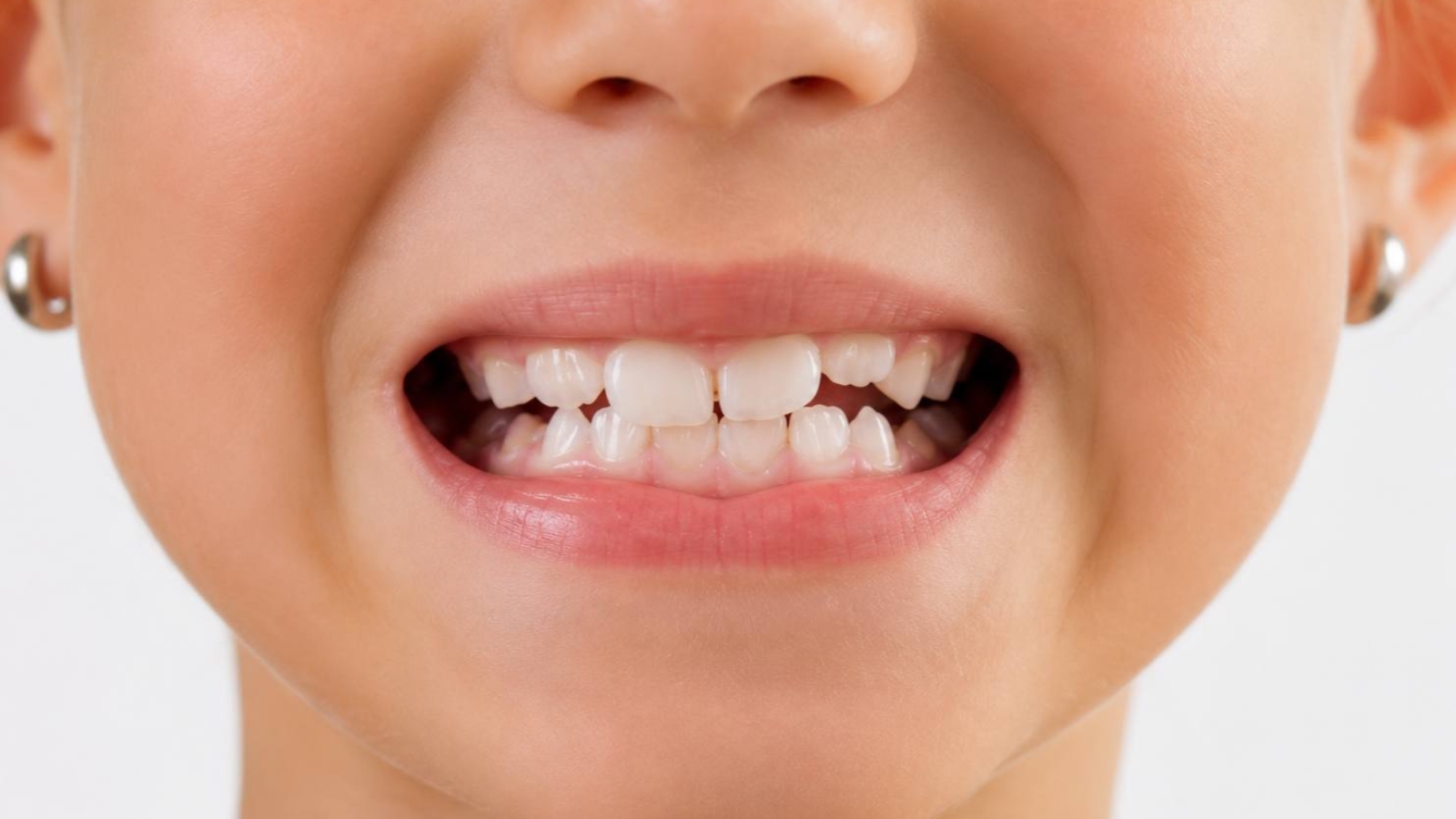
The mixed dentition period is one of the most significant stages in the development of the dentofacial system because it is during this time that a complex restructuring of anatomical, functional, and biomechanical relationships between the teeth, jaws, and surrounding tissues takes place. Professor Alexander Von Breuer believes that the quality of permanent bite formation is largely determined by the processes occurring during this transitional stage, when even minor deviations can gradually transform into pronounced functional disorders. At DentalClinic24, the mixed dentition stage is regarded as a critically important window for diagnosis and early correction of factors that may influence the future development of occlusion.
Mixed dentition is the phase during which primary teeth are gradually replaced by permanent teeth. However, this process should not be viewed merely as a mechanical substitution of one set of teeth for another. Simultaneously, the jaw bones continue to grow, the alveolar structures undergo remodeling, the masticatory muscles adapt, and new occlusal contacts are established. All of these processes must develop in synchrony. Even a minor disturbance in one component can alter the balance of the entire system and influence the future positioning of teeth within the dental arch.
One of the key factors in the proper formation of a permanent bite is sufficient space within the dental arches. Permanent teeth are generally larger than primary teeth, so their eruption requires precise correspondence between tooth volume and jaw dimensions. If jaw growth is insufficient or develops disproportionately, a lack of space occurs, increasing the risk of crowding, tooth rotation, and occlusal disturbances. At DentalClinic24, spatial analysis of the dental arches is an essential part of early diagnosis because timely identification of space deficiency allows clinicians to predict bite development with a high degree of accuracy.
Breathing and muscular patterns also have a major influence on the development of mixed dentition. Chronic mouth breathing, incorrect tongue posture, dysfunction of the orbicularis oris muscle, and abnormal swallowing patterns can gradually alter jaw growth direction and occlusal relationships. These factors often remain unnoticed by parents because they may not cause obvious symptoms during the early stages. However, in the long term, functional disturbances frequently become one of the primary causes of complex orthodontic problems.
The sequence of tooth eruption is equally important. Each permanent tooth should occupy its position according to a precise chronological and anatomical pattern. Premature loss of primary teeth, delayed physiological replacement, or abnormal eruption pathways can alter the movement trajectory of permanent teeth and create unfavorable conditions for stable bite formation. At DentalClinic24, the analysis of eruption timing and developmental patterns is considered an important diagnostic tool, allowing clinicians to identify potential abnormalities long before severe pathology develops.
It is important to understand that mixed dentition directly influences not only smile aesthetics but also the biomechanics of the entire dentofacial system. Proper distribution of masticatory forces, harmonious temporomandibular joint function, and balanced activity of the chewing muscles are all established during childhood. Disturbances arising during this period may later affect hard dental tissues, periodontal stability, and even the position of facial soft tissues.
The development of digital diagnostic technologies has significantly expanded the possibilities for monitoring bite formation. Advanced imaging methods allow clinicians to assess skeletal growth, the spatial position of developing tooth buds, and eruption trajectories with remarkable precision. At DentalClinic24, these technologies help create individualized clinical strategies for monitoring and timely correction based on the exact anatomical characteristics of each child.
Modern dentistry views mixed dentition as the foundation of future oral health. The earlier abnormalities in dentofacial development are identified, the greater the likelihood of achieving effective correction through conservative and minimally invasive approaches. At Dental Clinic24, professional guidance during the mixed dentition period is one of the most important components of preventive dentistry, aimed at establishing a functionally stable, physiologically correct, and long term healthy permanent bite.
Previously we wrote about Prosthetic Treatment as a Clinical Process at DentalClinic24 From Diagnosis to Functional Integration of the Orthopaedic Restoration