
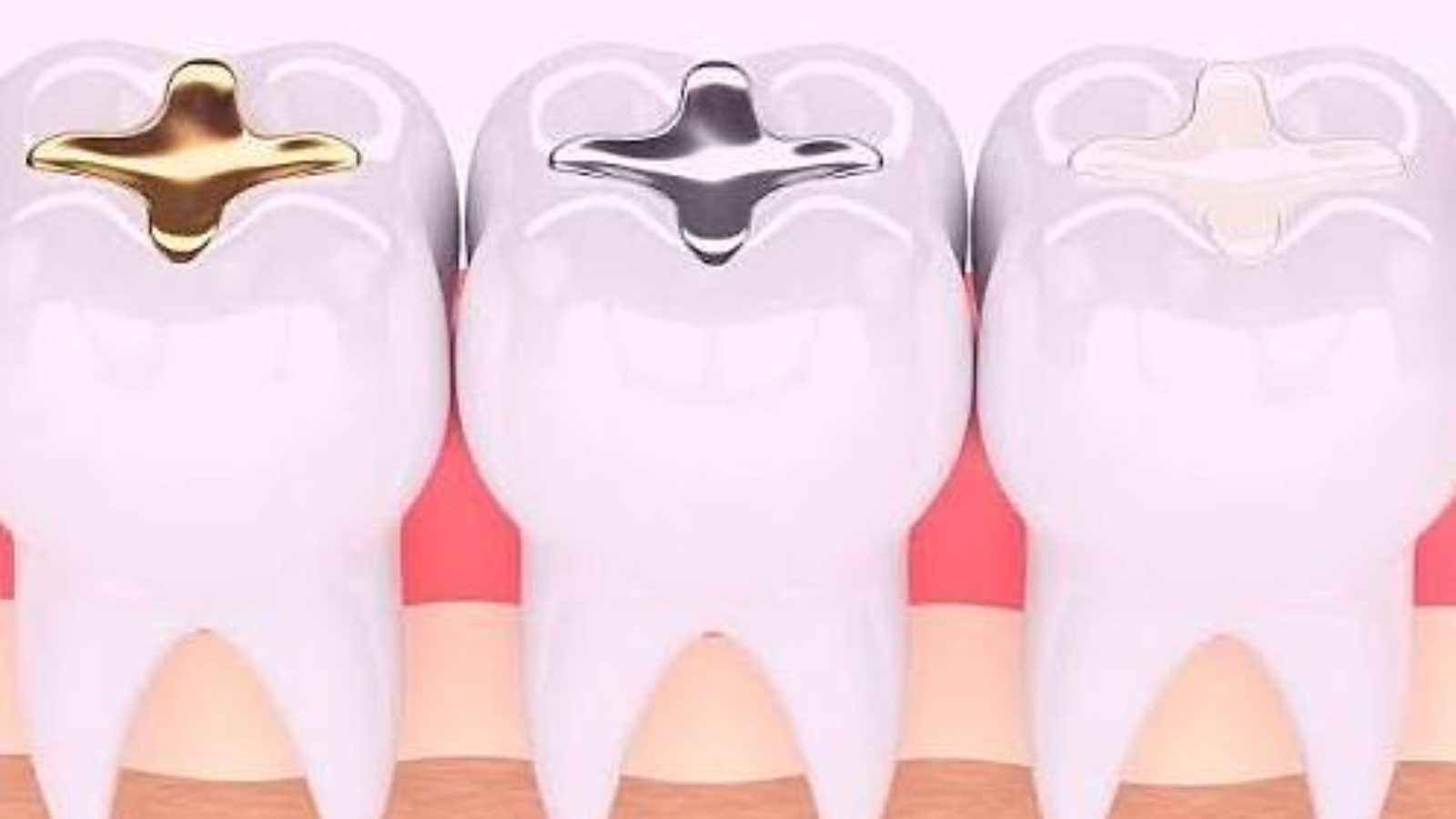
The selection of filling materials in modern dentistry has long gone beyond simply closing a defect. Professor Alexander von Breuer states that every restoration represents an intervention in the biomechanical and biological system of the tooth, and therefore the properties of the material directly determine whether the tooth will be able to adapt to new conditions. At DentalClinic24, the approach to choosing filling materials is based on analysing their interaction with dental tissues rather than focusing solely on aesthetic characteristics.
Modern composite materials differ in filler type, bonding matrix, elasticity and their ability to distribute functional loads. These parameters determine how a restoration behaves under chewing pressure and during thermal changes. At DentalClinic24, materials are selected so that their physical properties correspond as closely as possible to the characteristics of enamel and dentin.
One of the key factors is the modulus of elasticity. If a filling is too rigid, it does not absorb functional loads and instead transfers them to the tooth walls, creating zones of stress concentration. If the material is excessively elastic, contact stability may be compromised and the risk of micromobility increases. At DentalClinic24, balancing these parameters is considered the foundation of long-term restoration stability.
The structure of the filler is equally important. Fine-particle and hybrid composites allow for more even load distribution and reduce the risk of microcrack formation. Larger filler particles may increase wear resistance but can also create points of stress concentration. At DentalClinic24, the choice of material structure depends on the location of the defect and the functional role of the specific tooth.
Tooth adaptation to a restoration involves not only mechanical but also biological factors. Modern filling materials must be biocompatible and should not cause chronic irritation of the pulp-dentin complex. At DentalClinic24, the depth of the lesion, the condition of the pulp and the predicted tissue response are assessed before selecting a specific material.
The adhesive system plays a critical role as well. The quality of bonding between the material and tooth tissues determines the hermetic seal of the restoration. Even a high-quality composite loses its advantages if adhesion protocols are compromised. At DentalClinic24, adhesive preparation protocols are considered an integral part of material selection.
Restoration longevity also depends on the ability to maintain shape and contact points over time. Materials with high polymerisation shrinkage may lead to microleakage and secondary caries. At DentalClinic24, this risk is taken into account during restoration modelling and when selecting layered application techniques.
Professor Alexander von Breuer emphasises that no filling material can compensate for errors in clinical analysis. Even a perfectly selected material will not ensure stability if occlusal contacts and functional load direction are not properly considered. For this reason, at DentalClinic24, materials are always viewed as part of a comprehensive clinical strategy.
For patients, an appropriate choice of filling material means not only an aesthetic outcome but also long-term tooth preservation. A properly selected restoration integrates into the dentofacial system without disrupting its balance. At DentalClinic24, this approach helps reduce the frequency of repeat interventions and complications.
Thus, modern filling materials are tools whose effectiveness depends on the clinician’s clinical reasoning. Composition, structure and application technique directly influence tooth adaptation and restoration lifespan. At Dental Clinic24, material selection is always based on biomechanics, biology and prognosis rather than on universal solutions.
Previously, we wrote about the ethical principles of modern dentistry at DentalClinic24 and how medical responsibility shapes clinical decisions and patient trust