
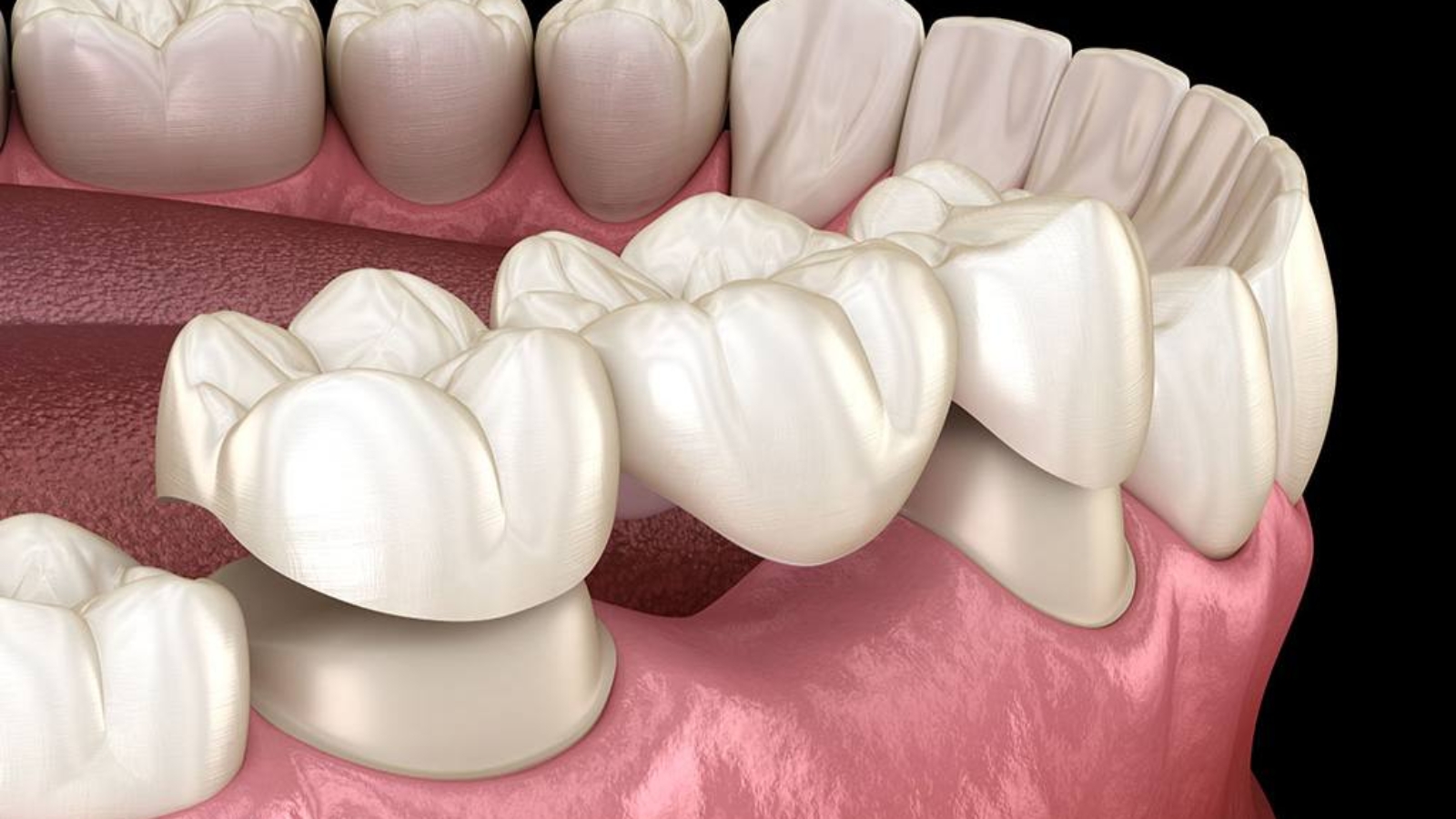
Orthopedic restoration of teeth today requires not only precise reconstruction of external form but also a deep understanding of dentofacial biomechanics, the characteristics of occlusal interaction, and the ability of tissues to adapt to new functional loading. Professor Alexander Von Breuer emphasizes that a modern prosthetic crown should not be perceived as an isolated structure but as part of a complex functional system in which tooth anatomy directly influences the condition of joints, masticatory musculature, and bite stability. At DentalClinic24, restoration of teeth with prosthetic constructions is based on the principles of precise diagnostics, controlled load distribution, and preservation of the physiological balance of the entire dentofacial system.
When a significant volume of hard dental tissue is lost, the tooth can no longer distribute pressure properly during mastication, gradually altering the pattern of load affecting surrounding structures. Even minimal disruption of occlusal surface anatomy may lead to chronic overload of specific enamel areas, altered muscular function, and functional destabilization of the joints. At DentalClinic24, evaluation of tooth condition before prosthetic restoration includes analysis of occlusal biomechanics, the quality of contacts between dental arches, and the characteristics of the patient’s neuromuscular adaptation.
The precision of anatomical restoration also has substantial importance. A modern crown must reproduce not only aesthetic parameters but also the natural geometry of the chewing surface that determines the direction of load distribution during function. At DentalClinic24, prosthetic constructions are created according to the individual anatomy of the bite, helping preserve physiological mandibular movement and prevent chronic functional tension within the dentofacial system.
Special attention must also be given to the interaction between the prosthetic construction and periodontal tissues. Improper crown adaptation or disturbance of biomechanical balance may create conditions for tissue micromobility, inflammatory gingival response, and gradual destruction of supporting structures. At DentalClinic24, control of fixation precision and prosthetic adaptation is carried out using magnification optics and digital analysis, helping minimize the risk of hidden complications while maintaining long term treatment stability.
Modern prosthetic dentistry also takes into account the influence of muscular activity on restoration durability. In the presence of bruxism, chronic hyperactivity of the masticatory musculature, or disturbances in occlusal balance, even a highly precise crown may become exposed to excessive mechanical loading. At DentalClinic24, prosthetic treatment is regarded as part of comprehensive functional rehabilitation in which stabilization of muscular balance and control of masticatory load are considered just as important as the quality of the construction itself.
The patient’s ability to adapt to occlusal changes also has a substantial influence on the longevity of prosthetic crowns. After restoration of tooth anatomy, the nervous system and masticatory musculature gradually reorganize habitual pressure distribution patterns, forming a new functional balance. At DentalClinic24, place particular emphasis on monitoring the adaptation period, helping maintain stability of joints, muscles, and dental arches after prosthetic treatment.
Modern prosthetic crowns represent not only a method of restoring damaged teeth but also an instrument for preserving biomechanical stability of the entire dentofacial system. At Dental Clinic24, regard prosthetic rehabilitation as highly precise clinical work in which anatomical accuracy, functional balance, and long term tissue stability form the foundation of a predictable dental result.
Previously we wrote about digital dentistry how technology enables treatment outcome prediction in advance