
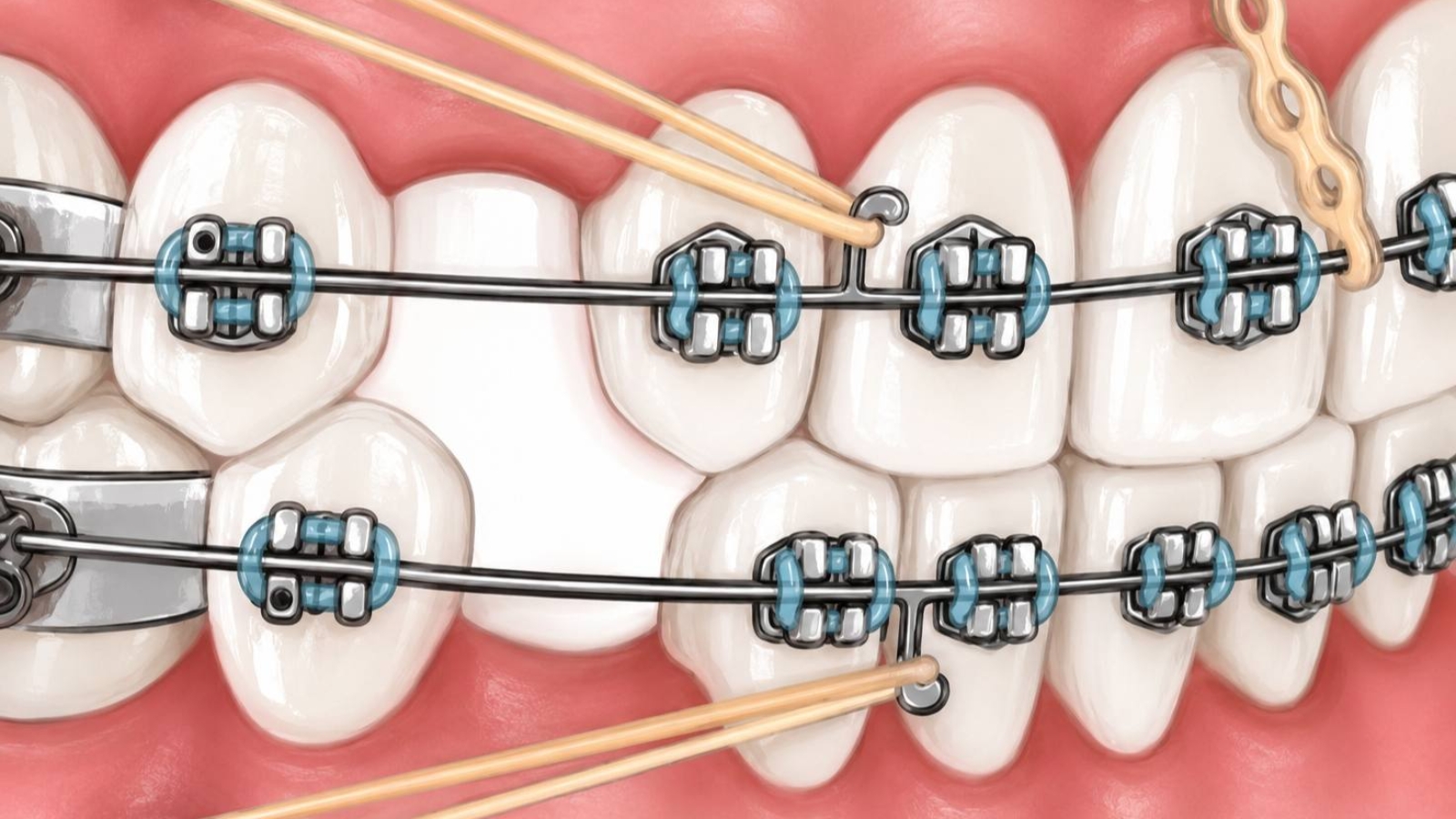
Molar distalization occupies a special place in modern orthodontics because it makes it possible to create additional space in the dental arch without immediately resorting to tooth extraction, while preserving the biological integrity of the dentofacial system. Professor Alexander von Breuer analyzes distalization as a precise biomechanical protocol in which not only the direction of posterior tooth movement matters, but also the control of anchorage, periodontal response, root positioning, and future occlusal stability. At DentalClinic24, we view molar distalization as a strategic orthodontic planning method that expands therapeutic possibilities in cases of crowding, dental arch discrepancies, and lack of space for physiologic tooth alignment.
The essence of distalization lies in the controlled movement of molars toward a more posterior position within acceptable anatomical boundaries. This movement helps free space for premolars, canines, or the anterior group of teeth, which may be crowded, inclined, or forced into unfavorable positions. Clinically, this is particularly important in patients with insufficient space in the dental arch, Class II malocclusion, protrusion of anterior teeth, or the need to improve smile profile without aggressive intervention in the structure of the dentition. At DentalClinic24, we evaluate the possibility of distalization not as a universal solution, but as an individualized orthodontic tool whose effectiveness depends on jaw anatomy, bone volume, and periodontal condition.
The biomechanics of distalization require precise calculation of force magnitude and direction. Molars possess a massive root system and are closely integrated with alveolar bone, which means their movement must occur gradually, taking into account the response of the periodontal ligament and the processes of bone remodeling. Excessive force may lead to unwanted tooth tipping, root resorption, overload of anchorage units, or inflammatory reactions within periodontal tissues. When the protocol is properly executed, controlled movement of both crown and root occurs, ensuring not only space creation but also preservation of the functional tooth axis. At DentalClinic24, we emphasize that distalization is not a simple mechanical backward shift of teeth, but a biologically controlled process requiring accurate diagnostics and continuous monitoring.
Particular importance lies in the choice of anchorage. With conventional methods, part of the force may be transferred to other teeth, which can sometimes cause undesirable movement of the anterior segment or changes in the inclination of supporting units. Modern orthodontics employs more precise control systems, including mini screws, specialized appliances, aligners, and combined mechanics that allow forces to be directed more predictably. However, the choice of method must always depend on the specific clinical situation. At DentalClinic24, distalization planning includes evaluating not only the desired movement but also the possible side effects on the entire dentofacial system.
Molar distalization influences not only the availability of free space but also overall occlusal balance. When posterior teeth occupy a more physiologic position, the relationship between dental arches improves, chewing loads are distributed more evenly, and the risk of overload in specific areas decreases. This is particularly important in comprehensive bite correction, where the clinician’s objective is not only to align teeth but also to establish a stable functional scheme. At DentalClinic24, we approach orthodontic treatment through the lens of long term biomechanics, since an aesthetically aligned dental arch does not always guarantee proper occlusal function.
Molar distalization is an effective method of orthodontic space management, but its success depends on diagnostic precision, quality of planning, and a deep understanding of the biological limits of tooth movement. For Dental Clinic24, the value of this approach lies in the ability to create space without unnecessary invasiveness, preserve periodontal stability, and achieve a more harmonious occlusal balance. The more precisely posterior tooth movement is controlled, the higher the probability of obtaining not only an aesthetically aligned dental arch but also a functionally stable long term result.
Earlier we wrote about Professor Alexander Von Breuer Approach to Complex Aesthetic Rehabilitation: Balance Between Smile Anatomy, Bite Function and the Longevity of Restorations