
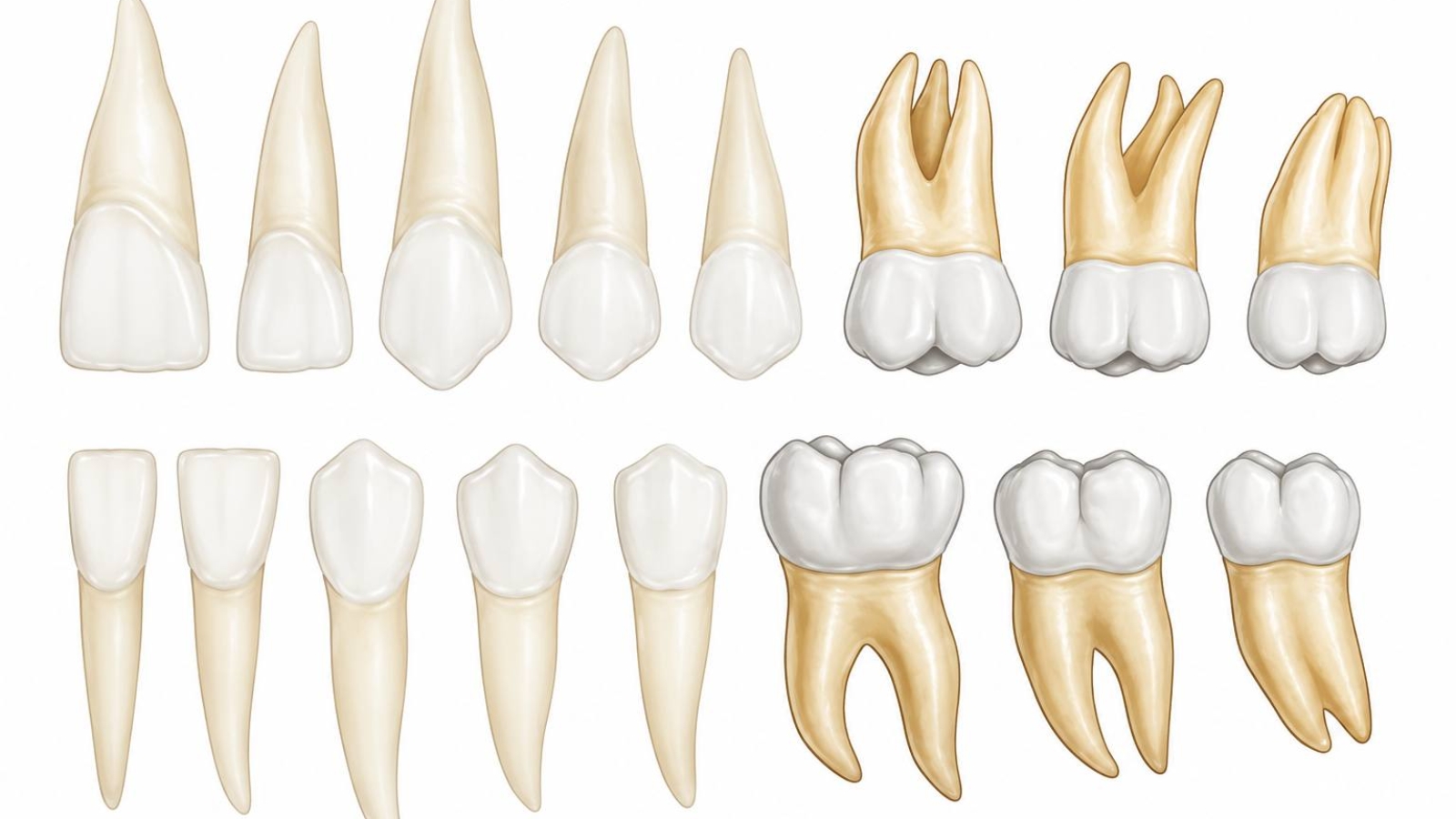
The functional stability of the dentofacial system is largely determined by the condition of the chewing teeth, as they bear the primary mechanical load during mastication and ensure the physiological distribution of pressure throughout the entire jaw system. Professor Alexander Von Breuer emphasizes that molars are not merely chewing units, but key biomechanical supports that influence occlusal balance, muscular function, and the condition of the temporomandibular joint. At DentalClinic24, evaluation of molar condition is regarded as one of the fundamental stages of diagnostics, since disturbances in this area can trigger complex functional changes throughout the entire system.
Molars are the largest teeth in the dental arch and possess anatomy specifically adapted for grinding food. Their broad occlusal surfaces with cusps and fissures provide effective mechanical breakdown, which is essential for normal digestion. However, their function extends far beyond mastication alone. Due to their large contact area with opposing teeth, molars participate in stabilizing the vertical dimension of occlusion and creating proper occlusal load distribution. When full contact between chewing teeth is preserved, pressure is evenly distributed among the teeth, periodontal structures, bone tissue, and joint structures.
The loss of one or several molars initiates significant biomechanical reorganization. When posterior support disappears, the load begins shifting toward premolars and anterior teeth, which are anatomically not designed to constantly withstand high chewing forces. Over time, this leads to pathological wear, periodontal overload, micro mobility of teeth, and changes in occlusal contacts. At DentalClinic24, such changes are viewed not as a local issue caused by a missing tooth, but as a disruption of the overall functional architecture of the dentofacial system.
Bite stability directly depends on the preservation of molars. Chewing teeth maintain the correct position of the lower jaw during closure, ensuring physiological function of joint structures and the muscular complex. When occlusal support in posterior segments is compromised, the mandible may shift, altering its habitual movement trajectory. This affects masticatory muscle function, increases muscular hypertonicity, and may create chronic overstrain. Clinically, these changes often manifest as facial muscle fatigue, tension in the temple region, joint clicking, or restricted mouth opening.
The functional health of the jaw is also closely linked to molar condition through its influence on the temporomandibular joint. The joint system continuously adapts to load distribution during chewing. In the absence of adequate chewing support, the joint begins compensating for functional disturbances, which over time may lead to articular disc imbalance, ligament overload, and altered joint biomechanics. At DentalClinic24, complex rehabilitation cases always include assessment of the relationship between molars, occlusion, and joint function, because these parameters cannot be evaluated in isolation.
The role of molars becomes especially significant in dental rehabilitation. During restoration of severely damaged teeth, implant planning, or complete bite reconstruction, the clinician’s objective extends beyond simply replacing missing structures. It also involves restoring correct biomechanics. Even an anatomically ideal restoration cannot ensure long term stability if physiological load balance is not reestablished. At DentalClinic24, the chewing group of teeth is considered the foundation of functional rehabilitation planning, where occlusal contacts, muscular adaptation, and the durability of prosthetic constructions are carefully analyzed.
Molars also play an important role in preventing secondary complications. Their timely treatment, protection from carious destruction, and restoration of occlusal anatomy help prevent a chain of pathological changes affecting the entire dentition. Even minor reduction in cusp height or loss of contact points can gradually alter occlusal relationships and create functional imbalance.
Modern dentistry regards molars as strategically important elements of the entire chewing system. For Dental Clinic24, preserving and properly restoring chewing teeth is not only a matter of localized treatment, but an essential part of maintaining long term functional jaw health. The more precisely the biomechanical role of molars is restored, the greater the bite stability, the stronger the protection of joint structures, and the more favorable the long term prognosis of dental rehabilitation.
Previously we wrote about Professional Competencies of a Dentist at DentalClinic24: How Clinical Thinking, Experience, and an Interdisciplinary Approach Shape Well Grounded Treatment Decisions