
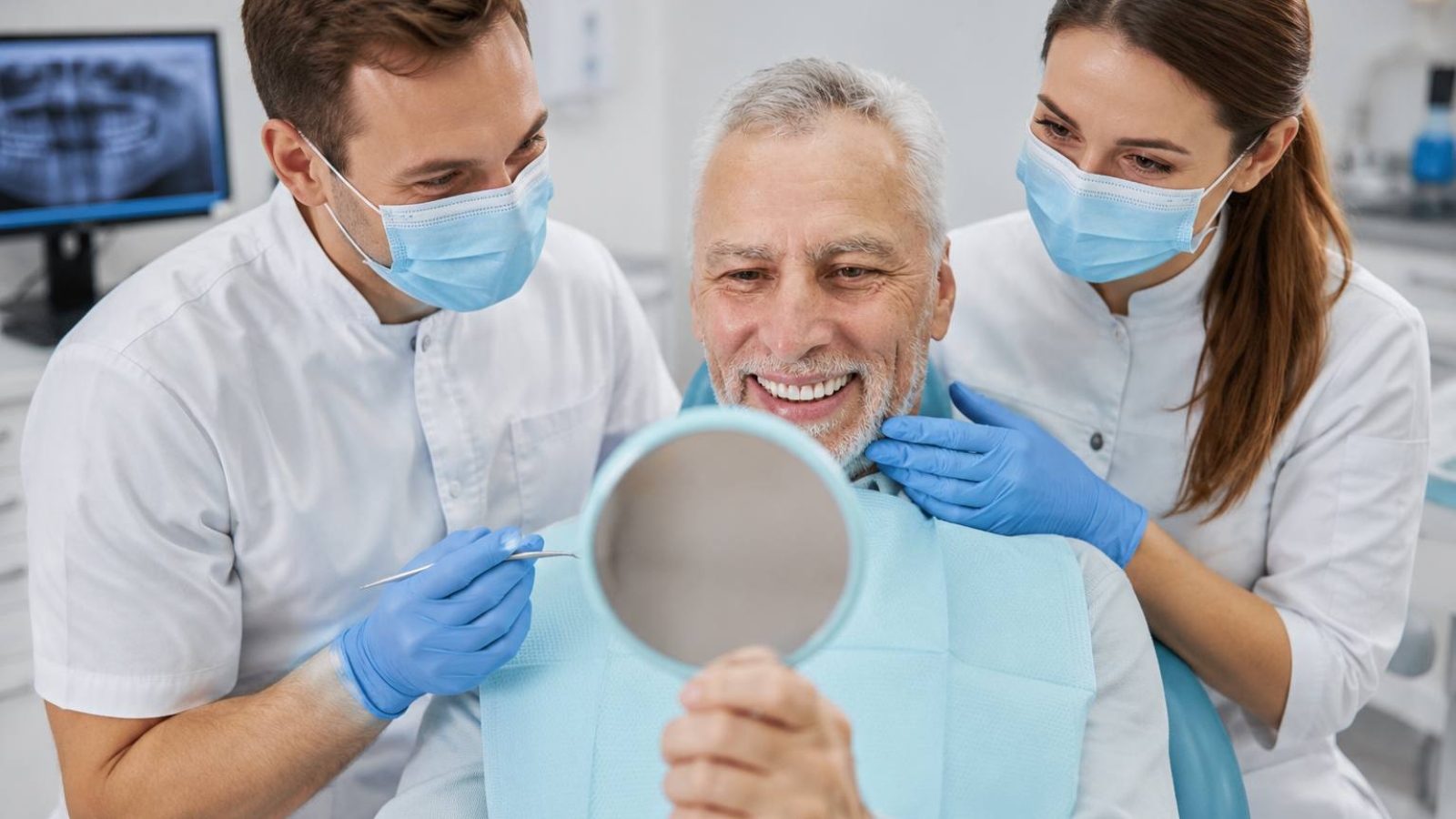
Modern dentistry is gradually moving away from the model in which treatment is concentrated within a single specialty. Clinical challenges are becoming increasingly complex, and achieving long term success requires simultaneous consideration of functional, anatomical, aesthetic, and biomechanical factors. Professor Alexander Von Breuer notes that most complex dental cases cannot be viewed exclusively through the perspective of one discipline because the dentofacial system functions as a unified structure in which the condition of each element influences the performance of all others. At DentalClinic24, the multidisciplinary approach is regarded as the foundation of modern clinical strategy, allowing more precise decisions to be made while ensuring long term stability of treatment outcomes.
Many patients perceive a smile as a collection of individual teeth requiring treatment or restoration. From a clinical perspective, however, a smile is the result of interaction between numerous structures, including bone tissue, gingiva, masticatory muscles, temporomandibular joints, occlusal contacts, and facial anatomy. A change in one parameter can influence the entire system. Orthodontic treatment may require the involvement of a prosthodontist, implant placement may depend on collaboration between a surgeon and a periodontist, and aesthetic rehabilitation often requires prior functional correction. The more complex the clinical situation, the greater the importance of coordinated cooperation among specialists from different areas of dentistry.
The multidisciplinary approach plays a particularly important role during the diagnostic phase. Each specialist evaluates the clinical situation through the perspective of their own field of expertise, creating a broader understanding of existing conditions and potential risks. This format significantly reduces the possibility of overlooking important details and helps identify relationships that may not be obvious through a single sided analysis. At DentalClinic24, diagnostics are viewed as a collaborative process in which information is integrated into one comprehensive clinical picture that serves as the basis for long term treatment planning.
The planning stage is equally important. Modern dentistry is focused on predictability, which means that every specialist must understand how their work influences subsequent stages of treatment. Decisions made by an orthodontist may affect future prosthetic possibilities, surgical procedures can determine the stability of future restorations, and therapeutic treatment often creates the conditions necessary for successful functional rehabilitation. This level of coordination allows a unified treatment plan to be created, where individual procedures become part of a larger strategy for restoring the health of the dentofacial system. At DentalClinic24, it is this alignment between specialties that enables a high level of precision and functional stability in treatment outcomes.
The multidisciplinary model also provides significant advantages for patients. Instead of receiving a series of disconnected consultations, individuals are guided through a structured treatment strategy with a clear rationale and well defined stages. This increases trust, improves understanding of the treatment process, and helps prevent conflicting decisions that may arise when specialists work without coordination. At DentalClinic24, patients become participants in a unified clinical program in which every stage is aligned with an overall objective and directed toward achieving the most stable possible outcome.
A modern smile is not the result of the efforts of a single practitioner but rather the product of coordinated professional collaboration. The multidisciplinary approach makes it possible to consider every aspect of dentofacial function, improve diagnostic accuracy, and create the conditions necessary for long term treatment stability. At Dental Clinic24, we regard teamwork among specialists as one of the most important elements of modern dentistry, where the quality of the outcome is determined not by an individual procedure but by the consistency and integration of all clinical decisions.
Previously we wrote about Herpetic Stomatitis in the Practice of DentalClinic24: The Influence of Viral Inflammation on the Oral Mucosa and Strategies of Controlled Treatment