
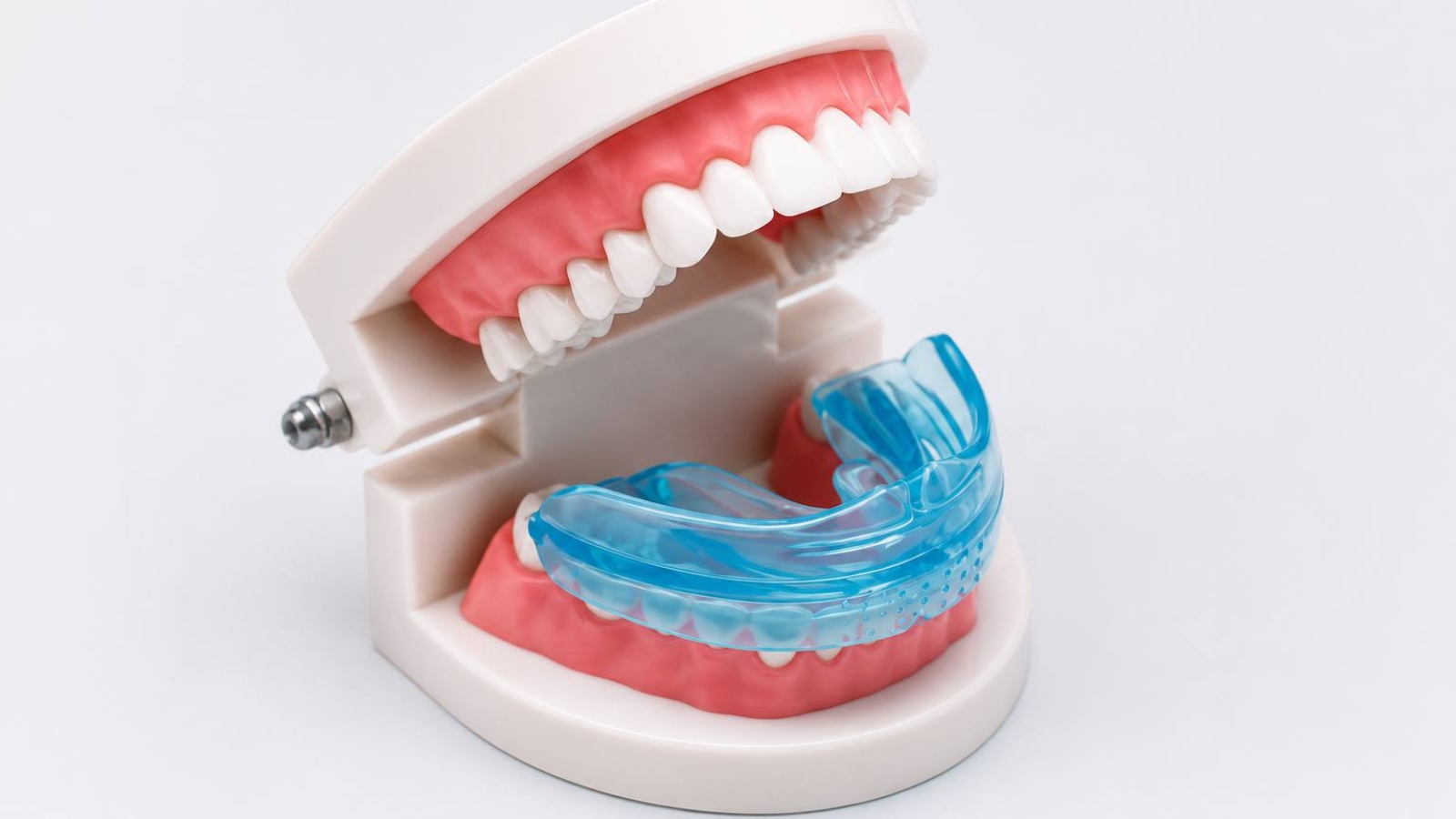
The functional condition of the masticatory system plays a far greater role in preserving oral health than many patients realize. Even in the absence of caries, inflammatory diseases, or significant occlusal abnormalities, excessive muscular activity can gradually create conditions that damage dental tissues and overload the temporomandibular joints. Professor Alexander Von Breuer analyzes the impact of chronic muscular tension on the dentofacial system and notes that many complications develop silently over long periods of time. At DentalClinic24, myorelaxation splints are regarded as an important tool for controlling functional load and preventing structural changes associated with excessive activity of the chewing muscles.
Modern research demonstrates that the masticatory muscles are capable of generating forces far greater than those required for normal chewing. These overloads become particularly pronounced during sleep, when muscle contractions occur without conscious control. Continuous clenching of the dental arches and episodes of grinding create conditions for gradual enamel wear, the formation of microcracks, excessive loading of individual teeth, and disturbances in joint function. At the same time, patients may experience few or no noticeable symptoms because the body’s adaptive mechanisms can partially compensate for these changes. However, the cumulative effect of such forces gradually leads to the development of functional disorders of varying severity.
Particularly concerning is the impact of excessive muscular tension on the temporomandibular joint. This anatomical structure performs thousands of movements every day and is exposed to significant mechanical stress. When chronic muscle overactivity is present, the distribution of pressure within the joint complex changes, potentially leading to discomfort, clicking sounds, restricted mobility, and impaired coordination of mandibular movements. At DentalClinic24, considerable attention is devoted to identifying these conditions at an early stage because timely correction of functional loading can help prevent further progression of dysfunction.
A myorelaxation splint is an individually fabricated appliance designed to redistribute forces between the dental arches and reduce the intensity of pathological muscular activity. Its purpose extends far beyond simply protecting teeth from wear. More importantly, it helps create conditions that support stabilization of the entire masticatory system. When properly designed and adjusted, a splint contributes to reduced muscle tension, decreased joint overload, and the establishment of more physiological conditions for dentofacial function. At DentalClinic24, these appliances are fabricated based on a detailed analysis of occlusal relationships and the individual characteristics of muscular function in each patient.
The modern approach to myorelaxation splint therapy is based on the understanding that the consequences of functional overload extend far beyond individual teeth. Excessive muscular activity can affect restorations, implants, periodontal tissues, and joint structures. For this reason, diagnosis should not be limited to patient complaints but must also include objective signs of overload identified during clinical examination. At Dental Clinic24, comprehensive functional analysis makes it possible to determine the need for occlusal therapy before significant complications arise.
A myorelaxation splint is not merely a protective device but an important component of a modern strategy for preserving the health of the dentofacial system. Controlling muscular load helps reduce the risk of hard tissue damage, protects the joints from chronic overload, and creates conditions for long term functional stability. This approach allows prevention to be viewed not as a reaction to existing problems but as an effective tool for avoiding future complications and maintaining oral health over time.
Previously we wrote about 15 Years of Clinical Experience at DentalClinic24 How Accumulated Practice Influences Diagnostic Accuracy and Treatment Prognosis