
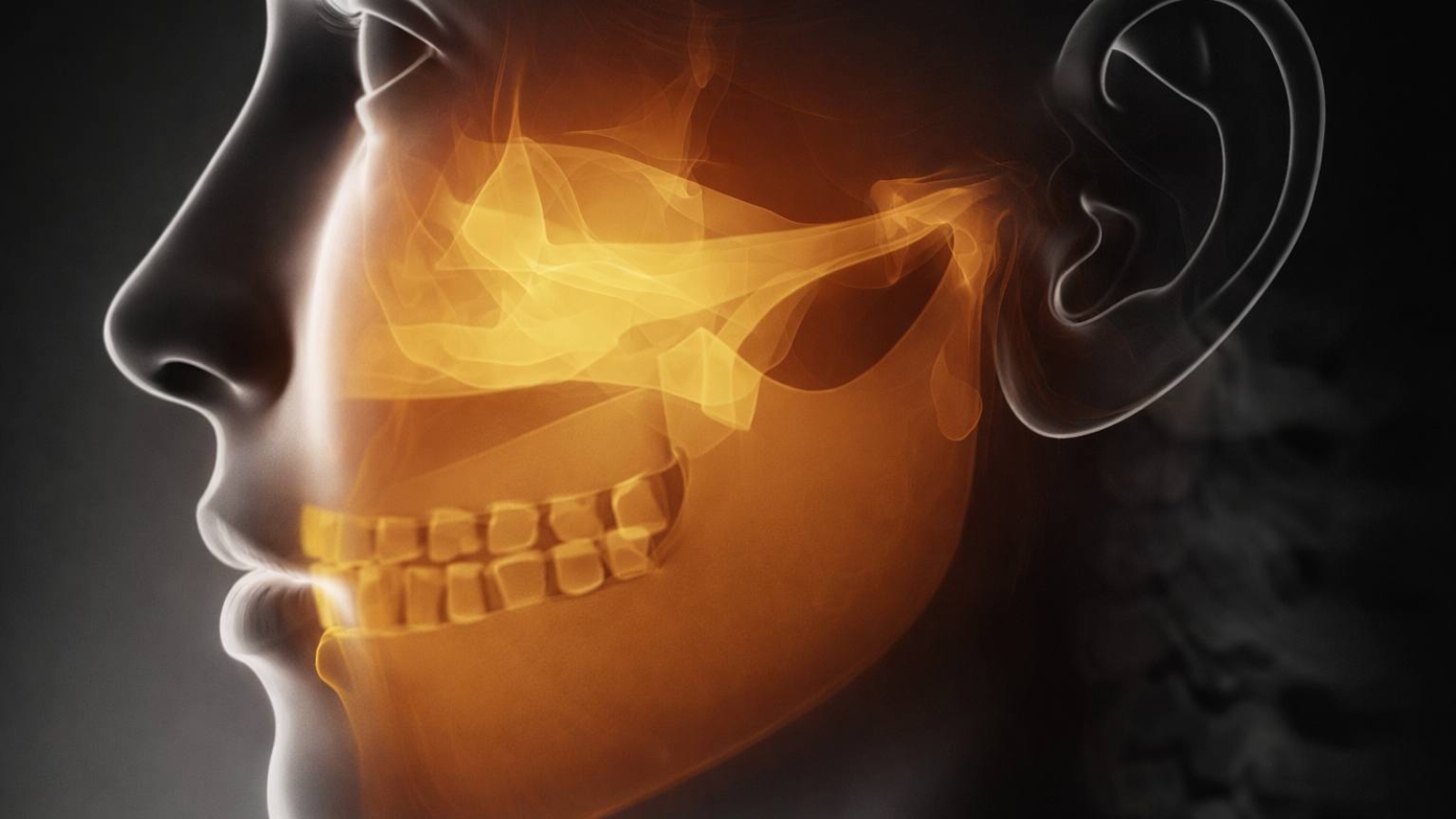
Neuromuscular coordination plays a key role in the function of the dentofacial system and directly affects the stability of dental treatment results. Professor Alexander von Breuer notes that a stable bite is formed not only by tooth position, but also by the coordinated interaction of masticatory muscles, neural regulation and joint function. At DentalClinic24, this principle is regarded as a foundation of clinical decision-making during treatment planning.
Teeth do not function in isolation – every movement of the jaw is controlled by a complex system of neural impulses and muscular contractions. Even with perfectly restored tooth anatomy, disruption of neuromuscular balance can lead to overloads, contact displacement and reduced longevity of treatment results. At DentalClinic24, assessment of muscular coordination is performed before intervention to understand how the system will respond to upcoming changes.
One of the key aspects is muscle adaptation to a new occlusion – after restorations, orthodontic treatment or prosthetic rehabilitation, muscles must reorganise habitual movement patterns. If this adaptation occurs unevenly, compensatory tension develops, which may manifest as discomfort, fatigue or bite instability. At DentalClinic24, such conditions are viewed as indicators for further diagnostics rather than temporary inconvenience.
Neuromuscular coordination is especially important in complex clinical cases – in the presence of asymmetries, previous interventions or chronic muscle hypertonicity, even minimal occlusal changes may trigger a chain reaction within the system. At DentalClinic24, analysis includes not only tooth position but also mandibular movement patterns, dynamic muscle function and the patient’s response to functional load.
Treatment stability depends directly on how harmoniously teeth integrate into the existing neuromuscular framework. When new tooth shape or position contradicts habitual motor patterns, the body attempts to compensate through muscular tension. Professor Alexander von Breuer emphasises that ignoring the neuromuscular factor is one of the main causes of late complications, even after technically flawless treatment.
At DentalClinic24, the neuromuscular approach is also applied when evaluating treatment outcomes – after completion of the main stages, it is essential to understand how the system adapts over time. Ongoing observation helps detect early signs of imbalance and adjust clinical strategy before symptoms develop. This approach reduces the need for repeat interventions and improves long-term stability.
For patients, coordinated muscle function means comfort and predictability – reduced fatigue, absence of the sensation of “foreign” teeth and improved quality of life. At DentalClinic24, this state is considered a true indicator of successful treatment, rather than aesthetic outcome alone.
Neuromuscular coordination also influences treatment perception – patients with altered neuromuscular regulation may experience identical procedures and recovery stages differently. Therefore, at DentalClinic24, clinical decisions are made with consideration of the individual neuromuscular response rather than relying solely on standardised protocols.
Thus, bite stability and long-term dental treatment success are impossible without addressing neuromuscular coordination. The harmonious interaction of muscles, nervous system and teeth forms the basis of functional oral health. At Dental Clinic24, this principle underpins a comprehensive treatment approach and enables consistently stable and predictable outcomes.
Previously, we wrote about individual sensitivity to dental procedures at DentalClinic24 and why the same treatments are experienced differently