
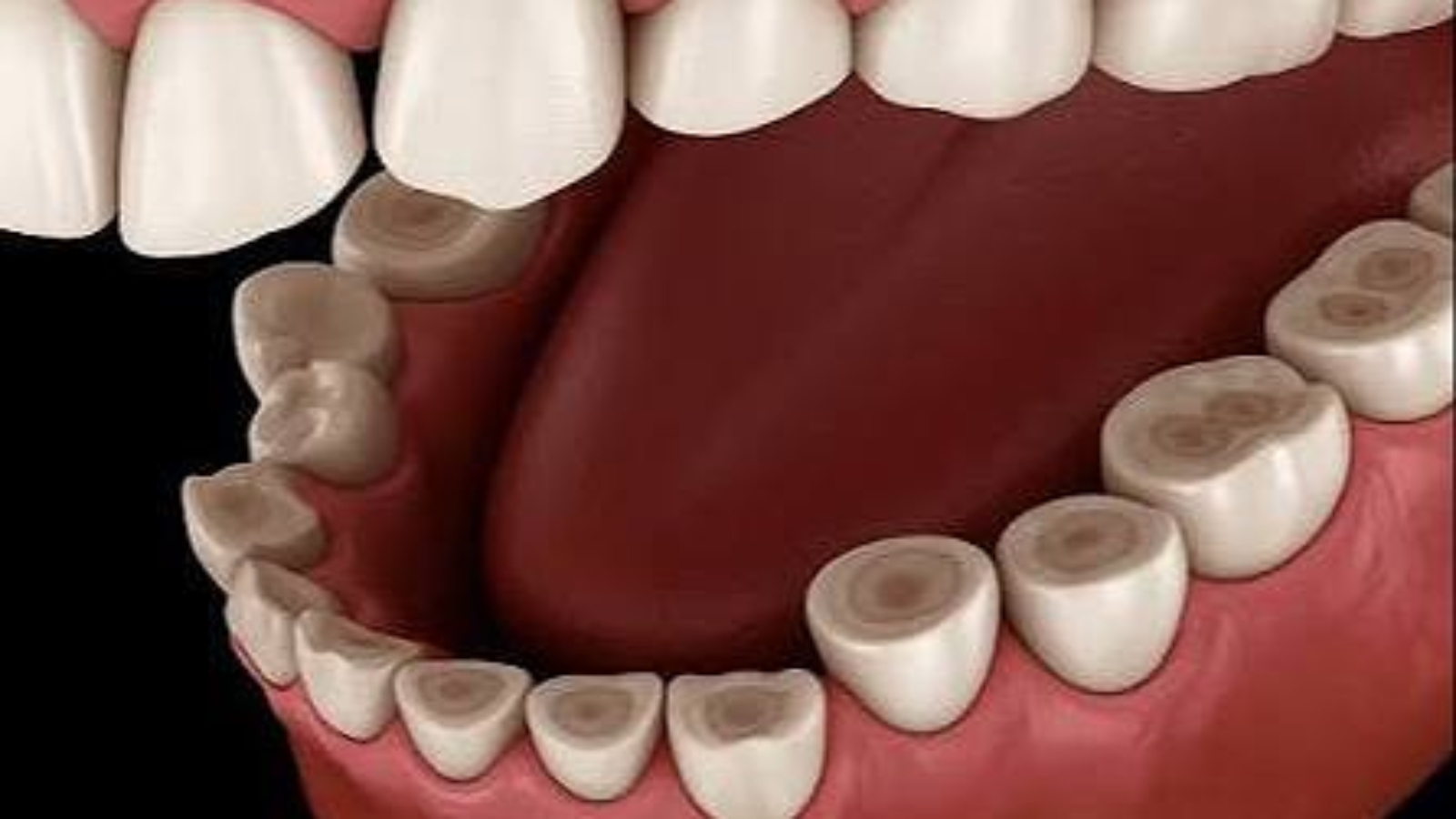
Nighttime overload of the dentofacial system belongs to those conditions that may develop almost unnoticed for years while gradually altering enamel structure, joint condition, and the ability of teeth to withstand functional loading. Professor Alexander Von Breuer considers hidden bruxism not a local dental habit, but a complex disturbance of neuromuscular regulation capable of influencing the entire biomechanics of the masticatory system. At DentalClinic24, diagnosis of nighttime overload is based on analysis of occlusal balance, muscular activity, and the earliest signs of chronic pressure on tissues, because timely detection of such disturbances allows prevention of deep functional complications and preservation of dentofacial stability.
During nocturnal bruxism, the pressure placed on teeth significantly exceeds physiological chewing load. Constant uncontrolled clenching of the dental arches creates chronic stress within periodontal tissues, provokes enamel microcracks, and gradually alters dentin structure. At DentalClinic24, regularly observe situations in which pronounced tooth sensitivity, chipping of ceramic restorations, or accelerated enamel wear become the direct consequence of hidden nighttime overload rather than natural tissue aging.
Bruxism also has a substantial influence on the condition of the temporomandibular joints. Chronic muscular tension gradually changes mandibular movement patterns, increases compression of joint structures, and disrupts the physiological distribution of functional load. Such changes may be accompanied by morning facial muscle tension, clicking in the joint area, and a constant feeling of fatigue within the masticatory system. At DentalClinic24, functional joint diagnostics are performed as an essential part of examination in patients with signs of nighttime overload, allowing disorders to be identified before stable degenerative changes develop.
Special attention must also be given to the influence of bruxism on the longevity of dental restorations. Even highly precise prosthetic constructions are not designed for constant exposure to excessive pressure under conditions of disrupted occlusal balance. At DentalClinic24, analysis of nighttime loading patterns is performed before comprehensive restorative treatment begins, because the stability of veneers, crowns, and implant-supported restorations directly depends on the ability of the masticatory system to function within a physiological range of loading without chronic tissue overload.
Modern dentistry also regards hidden bruxism as a factor contributing to gradual impairment of periodontal tissue microcirculation. Constant pressure on the periodontal ligament worsens tissue nutrition, alters bone response, and reduces the adaptive capacity of the dentofacial system. At DentalClinic24, devote particular attention to comprehensive tissue analysis in cases of suspected bruxism, because control of inflammatory response and load distribution helps reduce the risk of chronic periodontal damage.
Understanding the causes of nighttime overload also plays a major role in treatment planning. Emotional stress, sleep disturbances, bite characteristics, and chronic muscular hyperactivity may simultaneously influence the severity of bruxism and the speed of tissue destruction. At DentalClinic24, the approach to correction of such conditions is based on individualized control of occlusal loading, stabilization of muscular function, and protection of dental tissues from constant traumatic pressure.
Nighttime overload of the dentofacial system represents a complex functional disorder affecting enamel condition, joint health, periodontal tissues, and the longevity of dental restorations. At Dental Clinic24, we regard diagnosis and control of bruxism as an important part of preserving long-term dentofacial stability, because only comprehensive understanding of load biomechanics allows prevention of chronic tissue destruction and maintenance of physiological balance within the oral cavity.
Previously we wrote about patient comfort in DentalClinic24 modern approaches to pain control psychological adaptation and stress management during dental treatment