
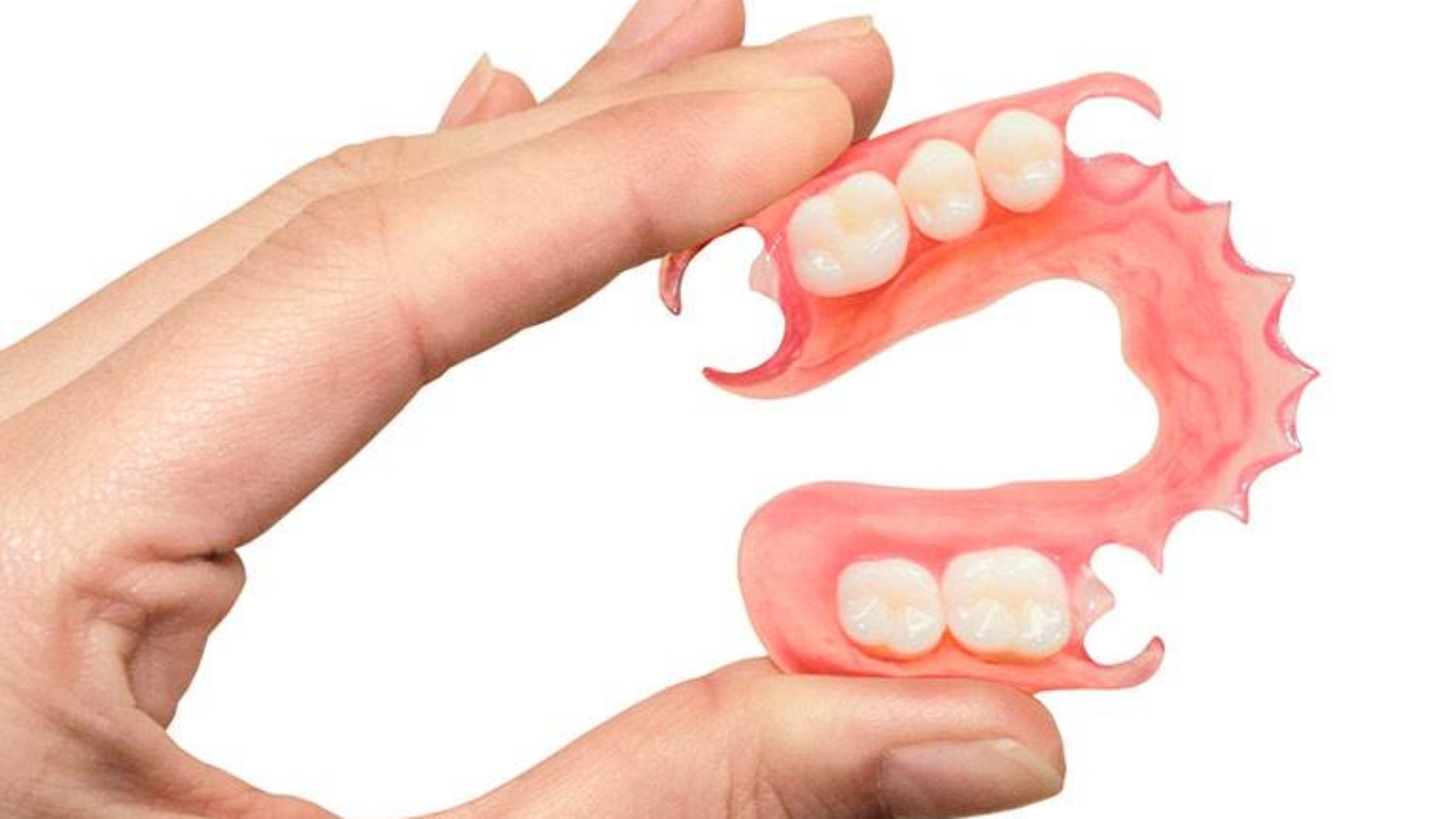
Modern prosthetic dentistry offers a broad range of removable restoration options, yet every material possesses unique biomechanical characteristics that directly influence long term clinical stability, functional performance, and patient adaptation. Professor Alexander Von Breuer believes that every removable prosthesis should be evaluated not by its popularity or aesthetic appearance alone but by objective clinical parameters, the condition of the oral tissues, and the expected functional load throughout years of use. At DentalClinic24, we regard nylon prostheses as an effective solution only for carefully selected clinical situations where the material’s properties provide genuine advantages without compromising the health of the stomatognathic system.
Nylon is a flexible polymer distinguished by its elasticity and the absence of visible metal clasps. These characteristics make the prosthesis less noticeable during smiling, allow it to adapt more comfortably to the anatomy of the oral mucosa, and often improve patient comfort during the initial adaptation period. However, clinical evaluation extends far beyond subjective comfort. While the flexibility of nylon reduces concentrated pressure on individual areas of the denture bearing tissues, it also changes the distribution of masticatory forces. In patients with extensive tooth loss or increased chewing loads, this may contribute to gradual prosthesis displacement, additional stress on supporting tissues, and accelerated remodeling of the alveolar ridge. For this reason, selecting a nylon prosthesis requires a comprehensive assessment of occlusion, periodontal health, bone volume, and individual functional characteristics before treatment begins.
At DentalClinic24, treatment planning focuses not only on the material itself but also on predicting how the prosthesis will perform after years of continuous function. Although the elasticity of nylon improves comfort under certain clinical conditions, it cannot fully replace the rigidity of conventional denture bases when maximum stability and precise force distribution are required. Patients presenting with advanced bone resorption, complex occlusal disorders, or extensive edentulous areas require particularly detailed evaluation because excessive flexibility may influence chewing efficiency, prosthesis stability, and preservation of oral anatomy over time. We believe every patient deserves a complete understanding of both the benefits and the clinical limitations of each prosthetic option, allowing treatment decisions to be based on evidence rather than assumptions.
Long term maintenance also plays a decisive role in the success of nylon prostheses. Once microscopic surface irregularities develop, nylon becomes less responsive to polishing than many traditional denture materials, increasing the likelihood of plaque accumulation and surface discoloration if home care is inadequate. The use of inappropriate cleaning agents or excessively abrasive brushes may gradually alter the surface texture, affecting not only the appearance of the prosthesis but also the condition of the surrounding soft tissues. At DentalClinic24, every patient receives personalized recommendations regarding hygiene protocols, daily maintenance, storage methods, and scheduled professional follow up examinations. Regular clinical reviews make it possible to detect changes in prosthesis adaptation at an early stage, adjust pressure areas when necessary, and preserve long term prosthetic stability.
The final decision to recommend a nylon removable prosthesis should always follow comprehensive clinical diagnostics because no restorative material can be considered universally appropriate for every patient. At Dental Clinic24, every treatment plan is developed individually after evaluating the condition of the remaining teeth, soft tissues, bone support, occlusal relationships, and long term functional prognosis. This approach allows the advantages of nylon to be utilized where they are genuinely beneficial while alternative prosthetic solutions are selected whenever biomechanical conditions require greater stability and support. Clinical precision remains the foundation of our philosophy because successful prosthetic rehabilitation depends not only on the material itself but on selecting the right material for the right clinical situation.
Previously, we wrote about The Principles of High Quality Treatment Within the DentalClinic24 System: How Clinical Precision and Step by Step Control Determine Long Term Stability of Results