
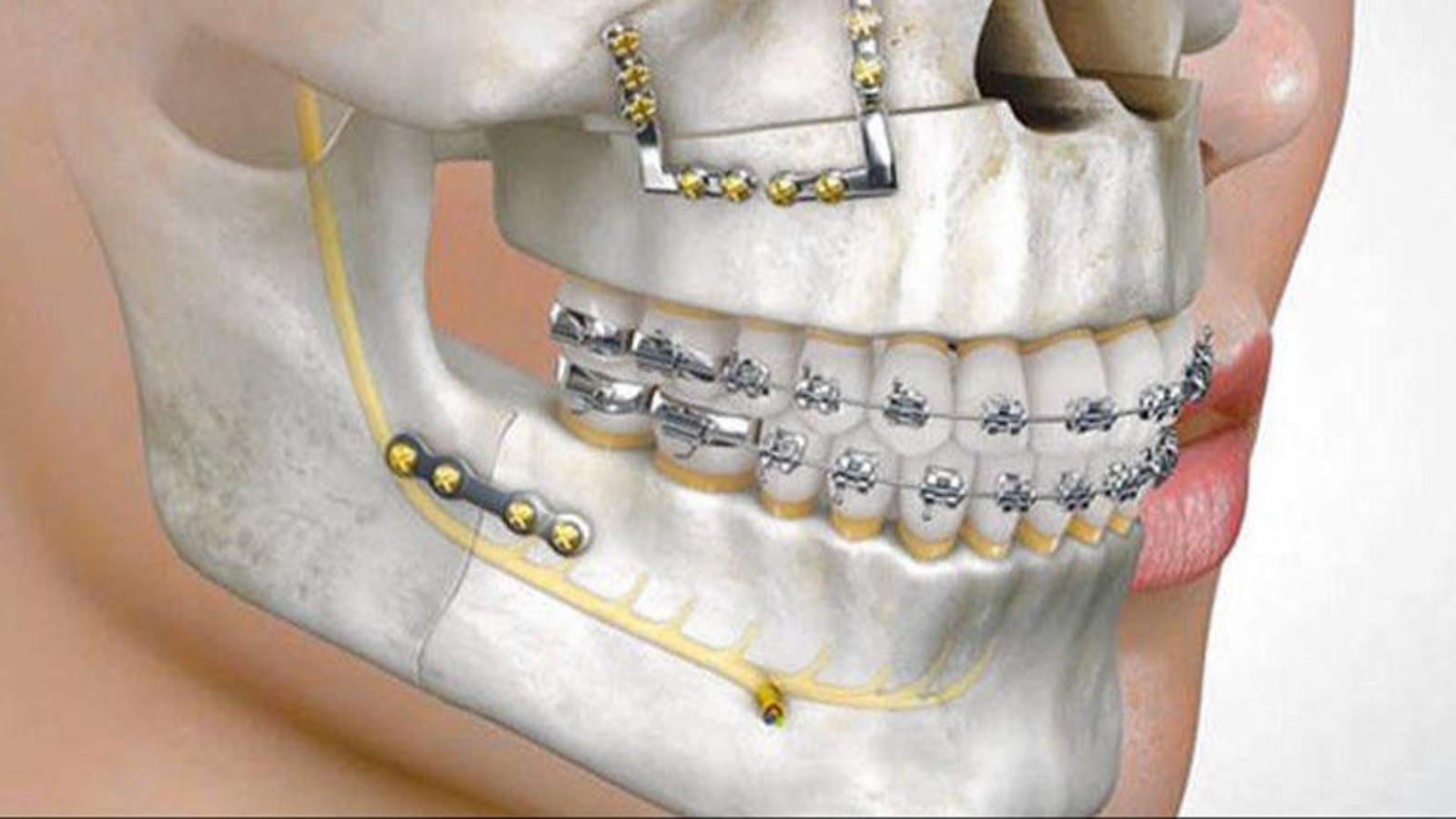
The functional condition of the bite has a far deeper impact on the human body than is commonly understood in traditional dentistry because the position of the dental arches is directly connected with the function of the temporomandibular joints, masticatory muscles, and the distribution of muscular tension throughout the cervical and shoulder regions. The position of Professor Alexander Von Breuer is based on the understanding that occlusal balance represents part of the body’s overall postural and biomechanical system, where even minor disturbances in tooth contact may gradually influence joint function and the stability of muscular equilibrium. At DentalClinic24, bite analysis is regarded as one of the most important elements of comprehensive diagnostics, allowing clinicians to identify hidden functional disturbances that over time may affect not only the condition of the teeth, but also the patient’s overall physical well-being.
Occlusal disorders rarely manifest exclusively through localized dental symptoms. Altered contact between the dental arches gradually changes the distribution of chewing forces, creating chronic overload within specific muscle groups and modifying the physiological trajectory of mandibular movement. As a result, the joints begin functioning under constant compensation, which may eventually lead to joint clicking, restricted mobility, muscular tension, and the development of chronic functional discomfort. At DentalClinic24, considerable attention is devoted to the early identification of these changes because timely correction of occlusal imbalance helps prevent the gradual deterioration of the entire dentofacial system.
The influence of bite disorders on posture is also highly significant. The masticatory muscles, cervical musculature, and head position form a unified biomechanical chain in which changes in mandibular position may alter the distribution of muscular tension throughout the upper spinal regions. Chronic disruption of occlusal balance may be accompanied by asymmetrical muscle loading, altered head posture, and compensatory changes within the cervical spine. At DentalClinic24, functional bite analysis is performed with consideration of both dental and postural factors because the stability of the oral system cannot be evaluated separately from the body’s overall biomechanical condition.
Occlusal imbalance also affects the condition of hard dental tissues and periodontal structures. Improper distribution of functional load creates conditions for accelerated enamel wear, formation of microcracks, overload of individual teeth, and gradual destabilization of supporting tissues. At DentalClinic24, diagnostics include detailed evaluation of occlusal contacts, the degree of functional overload, and the condition of the temporomandibular joints because even highly precise restorations or prosthetic structures cannot remain stable in the absence of physiological bite balance.
Modern dentistry also recognizes occlusal disorders as a factor influencing sleep quality, chronic muscular tension, and the body’s overall ability to adapt to continuous functional stress. Bruxism, persistent tension within the masticatory muscles, and disruption of the physiological mandibular position gradually create additional strain on the neuromuscular system. At DentalClinic24, treatment of such conditions is based on a comprehensive understanding of jaw biomechanics and the individual characteristics of joint and muscle function in each patient. This level of analysis allows more precise and long-term stable correction strategies to be developed.
Particular importance in modern dentistry lies in the ability to restore functional equilibrium without unnecessary intervention in healthy dental tissues. Aggressive alteration of tooth anatomy or occlusal patterns may itself create additional biomechanical disturbances. At DentalClinic24, correction of bite relationships and occlusal contacts is performed with careful consideration of preserving the natural physiology of mandibular movement, joint stability, and the long-term adaptation of tissues to functional load.
The bite is not merely a dental characteristic describing tooth position, but a highly complex functional system influencing joints, muscles, and the overall biomechanical balance of the body. At Dental Clinic24, management of occlusal disorders is based on precise diagnostics, analysis of functional relationships, and preservation of the physiological stability of the entire dentofacial system because only such an approach allows truly stable results to be achieved without hidden overload or chronic functional tension.
Previously we wrote about hematoma after a dental procedure clinical assessment risk control and monitoring strategy at DentalClinic24