
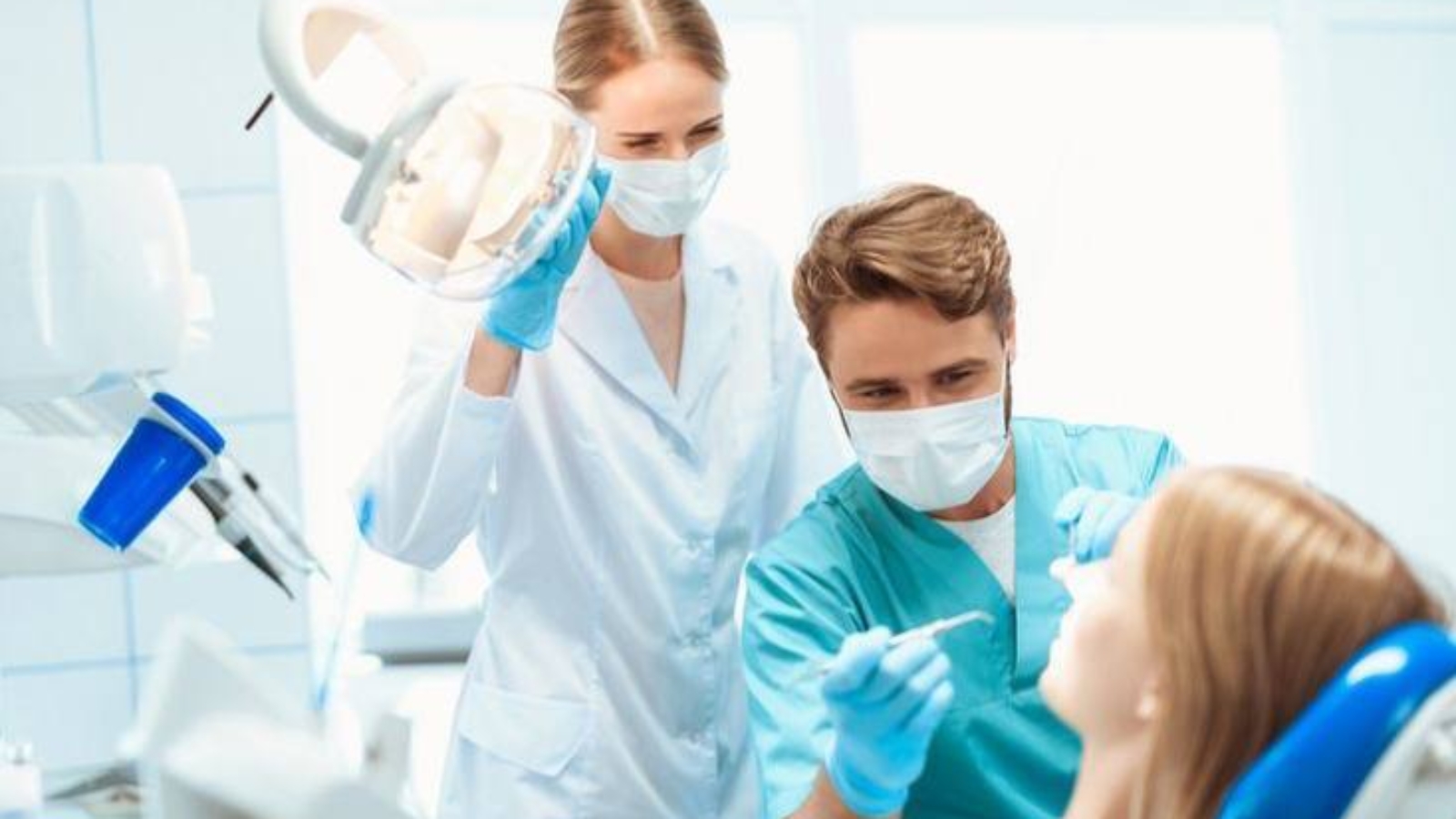
Every complex dental procedure begins long before a patient sits in the dental chair and the clinician picks up the first instrument. Professor Alexander Von Breuer considers successful clinical outcomes to depend not only on technical expertise during treatment but also on the quality of preparation that precedes it. This preparation includes comprehensive diagnostic analysis, role allocation within the clinical team, equipment verification, anesthesia planning, and assessment of potential intraoperative challenges. At DentalClinic24, every working day involving advanced surgical or restorative procedures is organized around a carefully developed clinical strategy. The team reviews three dimensional imaging, digital treatment plans, clinical photographs, laboratory findings, and the patient’s medical history to fully understand anatomical limitations, procedural sequencing, and possible alternative treatment pathways before treatment even begins.
Preparation starts with a complete reassessment of the diagnosis and verification of every available clinical record. Cone beam computed tomography is evaluated not simply as a diagnostic image but as a three dimensional anatomical map that guides every stage of treatment. Clinicians examine bone volume, the relationship of nerves and adjacent tooth roots, sinus anatomy, bone density, and any hidden inflammatory processes. When implant placement is planned, the precise position, angulation, and depth of every implant are determined together with the future prosthetic restoration. During endodontic procedures, clinicians carefully evaluate root canal anatomy, the expected number of canals, anatomical curvatures, and the effects of previous treatment. This level of preparation minimizes dependence on intraoperative improvisation while ensuring that every required instrument has already been selected according to the patient’s individual anatomy.
At DentalClinic24, treatment planning is always a collaborative process involving oral surgeons, prosthodontists, restorative dentists, anesthesiologists, and dental technicians whenever the complexity of the case requires multidisciplinary expertise. Each specialist evaluates the case from a unique professional perspective because technically successful surgery alone cannot guarantee long term stability if prosthetic loading, soft tissue aesthetics, or future oral hygiene requirements are overlooked. The prosthodontist determines the ideal future tooth position, the surgeon evaluates whether stable biological support can be established safely, and the dental technician confirms that the planned restoration can be accurately manufactured. When temporary prosthetic solutions are required, every parameter is calculated before surgery begins so that patients maintain both function and aesthetics throughout the healing period.
Equal attention is devoted to the patient’s general health. Before advanced treatment, the clinical team evaluates current medications, chronic medical conditions, coagulation status, allergy history, previous experiences with anesthesia, and the patient’s psychological readiness for treatment. Whenever necessary, consultation with medical specialists is obtained and medication schedules are adjusted accordingly. The anesthesiologist evaluates airway anatomy, cardiovascular risks, and the anticipated duration of treatment. Such preparation becomes particularly important during intravenous sedation, full arch implant rehabilitation, multiple extractions, and reconstructive surgical procedures. Patient safety under these circumstances depends upon seamless communication between the dental and anesthesia teams.
Before the patient arrives, clinical assistants prepare the operating environment according to established surgical protocols. Sterile instrument sets, surgical handpieces, irrigation systems, suction equipment, operating microscopes, piezosurgical devices, and backup instruments are thoroughly inspected. Every material required during treatment is organized according to the planned sequence of the procedure so that clinicians never interrupt treatment while searching for necessary components. During implant surgery, implant dimensions, healing abutments, temporary prosthetic components, and surgical guide elements are verified in advance. When bone augmentation is planned, membranes, grafting materials, and sutures are individually prepared. This systematic organization reduces unnecessary movement, improves procedural efficiency, and maintains strict surgical sterility throughout the intervention.
At DentalClinic24, every complex procedure begins with a structured team briefing. During this discussion, patient identity, the treatment site, planned surgical stages, anesthesia protocol, and available contingency options are confirmed once again. When several anatomical regions will be treated during the same appointment, clinicians review procedural sequencing and identify stages requiring instrument changes or participation from additional specialists. Critical anatomical structures, potential sources of bleeding, and conditions that may require modification of the original treatment strategy are openly discussed. Such preparation does not imply anticipation of complications but rather ensures that every member of the team is fully prepared to respond appropriately should unexpected clinical findings arise.
Once the patient is seated, the clinician compares the digital treatment plan with the actual intraoral situation. Soft tissue conditions, mouth opening, tooth mobility, and surgical access occasionally require subtle adjustments to the planned technique. Before treatment begins, local anesthesia is verified, physiological monitoring is initiated, antiseptic preparation is completed, and a sterile operating field is established. Patients receive a final explanation of the initial treatment stages together with clear communication signals that allow them to indicate any discomfort during the procedure. Even under intravenous sedation, continuous monitoring of respiration, blood pressure, oxygen saturation, and physiological responses remains an essential part of patient care.
Throughout complex procedures, the clinical team functions through continuous exchange of information. The assistant does far more than simply transfer instruments by maintaining optimal visibility, suction efficiency, irrigation, operating field cleanliness, and material management. The anesthesiologist continuously evaluates vital signs and immediately communicates any physiological changes. Whenever indicated, additional radiographs or digital scans are obtained to verify implant positioning or treatment progress before proceeding to subsequent stages. The clinician compares actual surgical findings with the original treatment objectives while constantly assessing not only whether the next step can technically be completed but whether it remains biologically appropriate.
One of the defining characteristics of experienced clinical teams is the willingness to modify treatment whenever biological conditions differ from initial expectations. Limited bone volume, significant inflammation, insufficient implant stability, or previously undetected root fractures may require adjustments to the original treatment strategy. Professional decision making is measured not by completing every planned procedure during a single appointment but by preserving the safest possible long term prognosis. In certain situations, temporary stabilization, additional tissue regeneration, or postponement of prosthetic treatment represents the most responsible clinical decision. We consider this flexibility an essential component of precision dentistry because carefully prepared alternative treatment strategies protect patients from unnecessary biological risks.
At DentalClinic24, the conclusion of every advanced procedure follows an equally structured protocol. The team evaluates hemostasis, suture stability, temporary restorations, occlusal contacts, and surrounding soft tissue conditions before the patient leaves the clinic. Follow up imaging is completed whenever indicated, postoperative instructions are individually tailored to the specific procedure performed, and medications are prescribed while considering the patient’s existing medical therapy. Patients receive detailed explanations regarding expected healing responses, scheduled review appointments, and symptoms requiring earlier clinical evaluation rather than relying upon generalized postoperative recommendations.
Following each treatment session, the team analyzes the completed procedure, documents every material used, records equipment settings, notes any modifications to the original treatment plan, and evaluates the patient’s immediate postoperative condition. Clinical photographs, radiographic records, and operative documentation become part of the patient’s comprehensive medical file and serve as the foundation for future stages of treatment. When rehabilitation involves multiple appointments, subsequent visits are scheduled according to the actual biological healing process rather than predetermined calendar intervals. This systematic review preserves continuity between specialists while preventing the loss of clinically significant information.
A day dedicated to complex dental treatment is ultimately a sequence of carefully coordinated clinical decisions in which the procedure itself represents only one stage of a much broader therapeutic process. Diagnostic precision, multidisciplinary planning, technical readiness, patient safety, and structured postoperative care together create predictable treatment outcomes. At Dental Clinic24, we believe that long term success is achieved when every member of the clinical team understands not only their individual responsibilities but also how their work contributes to the final biological and functional result. This philosophy allows extensive dental treatment to be performed with confidence, consistency, and complete respect for the biological capabilities of every patient’s oral tissues.
Previously, we wrote about Diastema in the Dentistry of DentalClinic24: Causes of Interdental Spacing and Modern Methods of Aesthetic Correction