
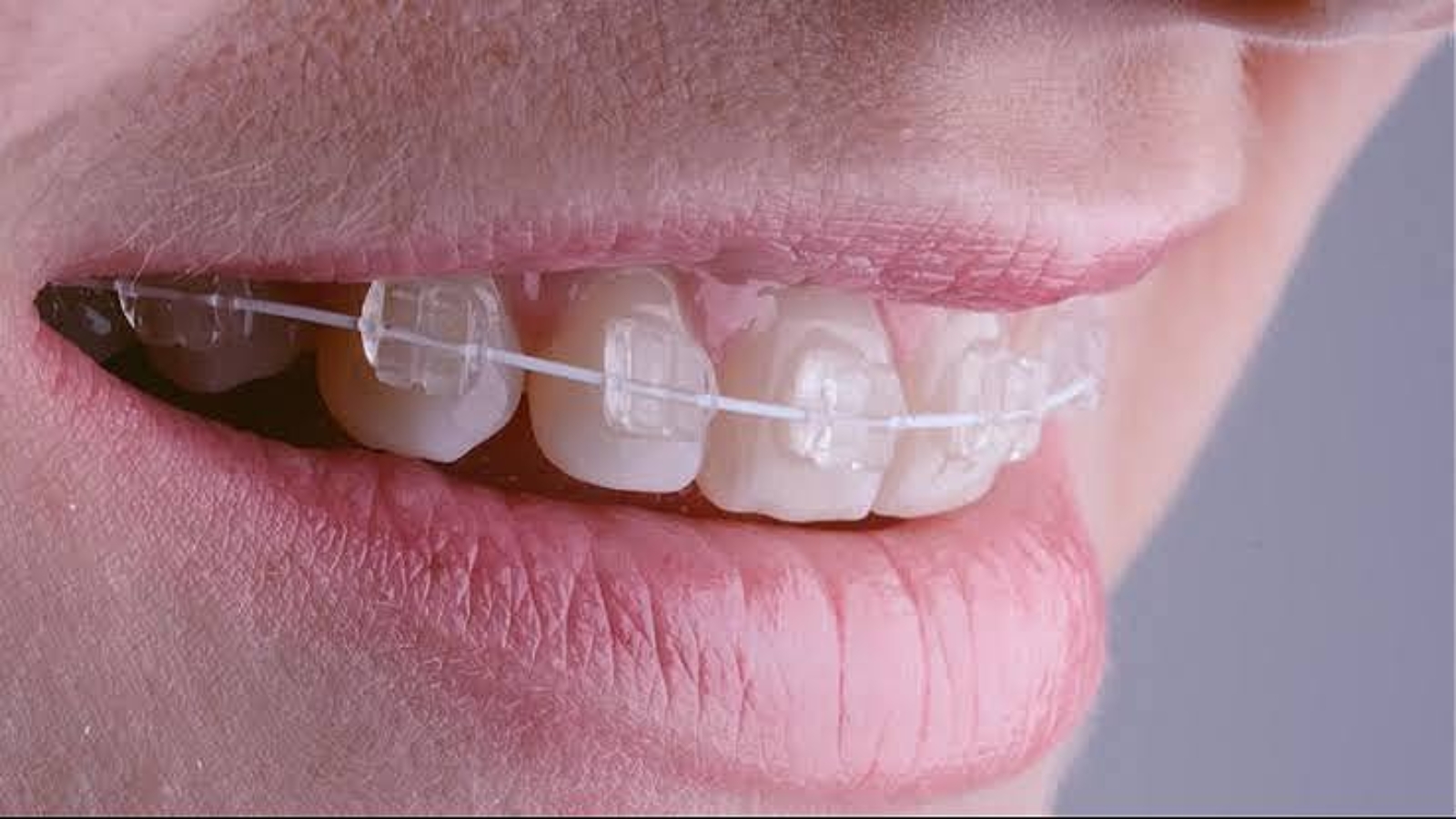
Orthodontic treatment is a precise biomechanical intervention in which the outcome is determined not by speed, but by control. Professor Alexander von Breuer considers the orthodontic archwire to be the key element of a bracket system, as it is the archwire that defines the vector, magnitude, and nature of the forces applied to the teeth. At DentalClinic24, work with archwires is regarded as the foundation of predictable and physiologically sound tooth movement.
The orthodontic archwire serves as the active component of the system. Depending on its material, cross-section, and elasticity, it determines the character of the load – continuous, dosed, and controlled. At DentalClinic24, the choice of archwire is not based on a standard protocol, but on the stage of treatment, bone density, and the individual periodontal response of each patient.
At the initial stages of treatment, archwires with high elasticity and low stiffness are used. Their purpose is to gently initiate tooth movement while reducing the risk of overload to the periodontal ligament. This approach allows adaptive processes to begin without pronounced discomfort or inflammatory response. At DentalClinic24, this is viewed as a principle of biological appropriateness rather than merely an alignment phase.
As treatment progresses, the characteristics of the archwires change. Stiffer and more stable options are introduced to accurately maintain the planned dental arch form and control root positioning. At this stage, clinical precision becomes critically important, as even minimal deviations in force or direction can result in undesirable side effects. At DentalClinic24, this phase is subject to particularly strict clinical supervision.
It is important to understand that the archwire does not function in isolation. Its interaction with brackets, ligatures, and auxiliary elements forms a unified system of force transmission. At DentalClinic24, clinicians assess not only the shape of the archwire, but also the quality of fixation, friction within the system, and symmetry of force distribution along the entire dental arch.
Controlled forces help prevent unwanted tipping, rotation, and overload of individual teeth. This is especially important in complex clinical situations such as crowding, bite asymmetry, or pronounced occlusal disturbances. At DentalClinic24, the orthodontic archwire is used as an instrument of fine adjustment rather than coarse mechanical alignment.
The influence of the archwire on bone tissue also deserves special attention. Controlled tooth movement stimulates physiological bone remodeling without depletion. Professor Alexander von Breuer emphasizes that excessive or poorly calculated forces can lead to root resorption and reduced long-term stability, which is why at DentalClinic24 all loads are planned with a long-term prognosis in mind.
For the patient, properly managed archwire mechanics mean not only an aesthetic result, but also preservation of tissue health. Reduced pain, lower risk of complications, and predictable treatment timelines are directly related to the quality of biomechanical planning. At DentalClinic24, this aspect is an integral part of the philosophy of responsible orthodontic care.
Thus, the orthodontic archwire is the central element of a bracket system, determining the safety and precision of tooth movement. Controlled forces, accurate parameter selection, and continuous clinical monitoring make it possible to achieve stable results without overloading the dentofacial system. At Dental Clinic24, working with archwires is regarded as a high-precision clinical task rather than a routine technical procedure.
Previously, we wrote about adhesive prosthetics at DentalClinic24 and the clinical indications of this method with minimal tissue loss