
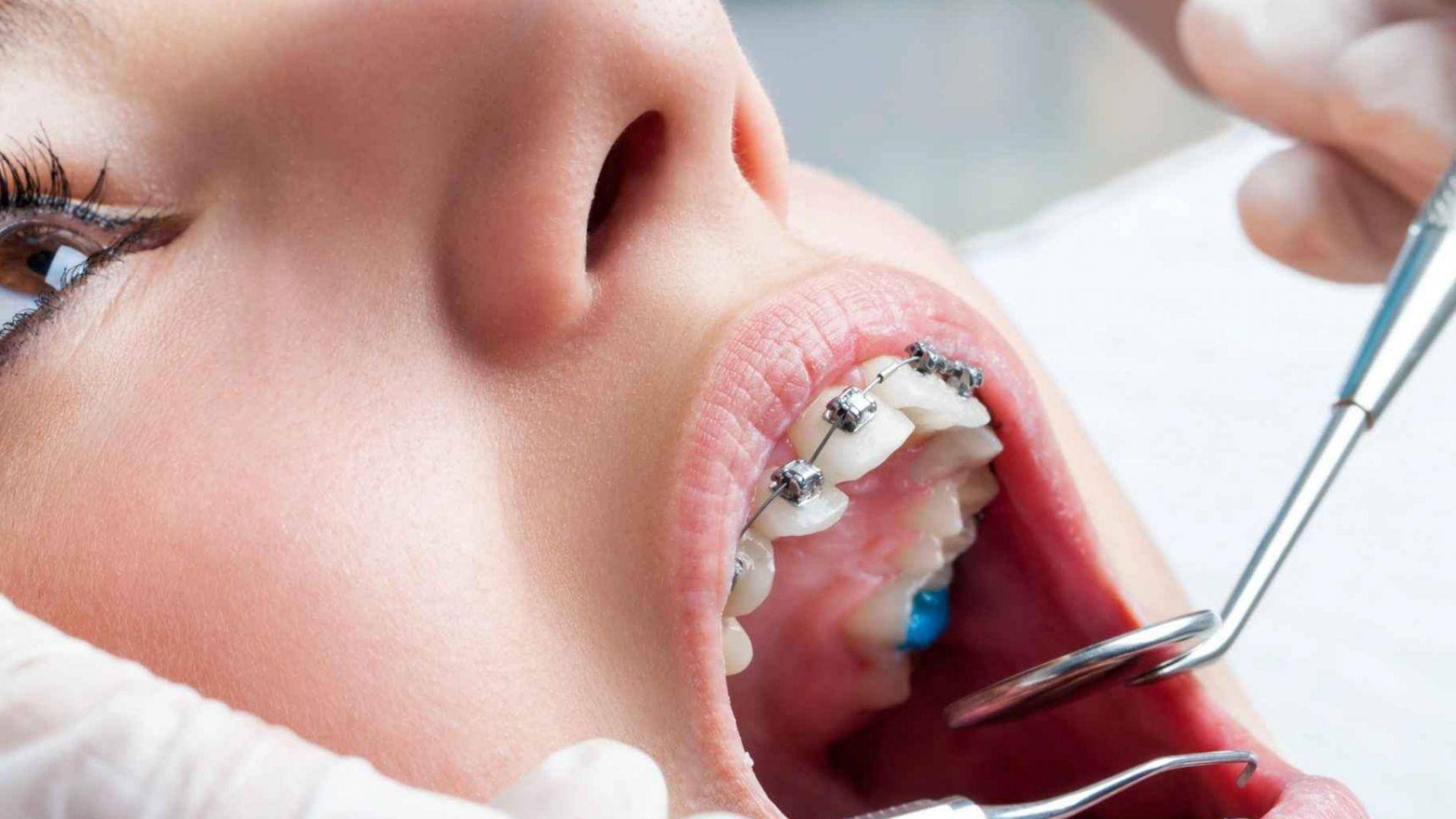
Bite correction begins long before braces, aligners, or other orthodontic appliances are placed, as the foundation of successful treatment is established during the initial diagnostic stage. Professor Alexander von Breuer notes that an orthodontic consultation is not a formal visual examination of tooth alignment, but a comprehensive clinical analysis of dentofacial biomechanics, including the assessment of occlusal contacts, jaw growth patterns, and the spatial position of individual teeth. At DentalClinic24, we view the initial orthodontic consultation as a strategic stage that determines not only the correction protocol itself, but also the long term stability of the final result after treatment is completed.
Occlusion is a highly complex functional system in which every tooth participates in distributing chewing forces, stabilizing the lower jaw, and maintaining muscular balance. Even minor disturbances in contact between the upper and lower dental arches can gradually lead to overload in specific areas, pathological enamel wear, muscular tension, and temporomandibular joint dysfunction. In early stages, such changes may remain almost unnoticeable to the patient, manifesting only as slight discomfort, smile asymmetry, or crowding of individual teeth. At DentalClinic24, we emphasize that early occlusal analysis makes it possible to identify hidden functional disorders before they progress into clinically significant pathology.
An equally important part of the consultation is the evaluation of jaw growth. During childhood and adolescence, bone structures continue to develop actively, and this period provides orthodontists with the greatest opportunity to guide dentofacial growth in a controlled manner. Discrepancies between upper and lower jaw size, lack of space within the dental arch, or disturbances in transverse growth can lead to complex malocclusions. When such changes are diagnosed early, treatment can be less invasive and more physiological. If anomalies are detected later, the required intervention often becomes more extensive, and correction grows significantly more complex. At DentalClinic24, jaw growth analysis is considered a key prognostic tool that helps predict the future development of occlusion.
Special attention is also given to tooth position within the dental arch. Rotations, inclinations, crowding, spacing, or diastemas are not merely aesthetic concerns. In many cases, they reflect deeper biomechanical disturbances associated with imbalance between tooth size, arch form, and bone volume. When teeth are positioned outside their physiologically optimal location, chewing forces begin to distribute unevenly. This affects periodontal health, enamel stability, and overall functional comfort. At DentalClinic24, we assess tooth position not in isolation, but as part of a unified three dimensional system where anatomy, function, and biomechanics are inseparably connected.
A high quality orthodontic consultation also includes the analysis of facial proportions, muscle tone, breathing patterns, and patient habits. Mouth breathing, infantile swallowing, bruxism, or chronic tension in the masticatory muscles can significantly influence bite development and the long term stability of treatment results. Without understanding these factors, even technically flawless orthodontic treatment may face a high risk of relapse. At DentalClinic24, we believe modern orthodontics should address not only tooth alignment, but also the underlying causes of occlusal imbalance.
An orthodontic consultation is one of the most important stages of bite correction because it defines the biological and functional map of future treatment. For Dental Clinic24, successful orthodontic therapy begins with precise diagnostics, deep growth analysis, and a clear understanding of each patient’s individual biomechanics. The earlier deviations in occlusion, jaw growth, or tooth position are identified, the greater the likelihood of achieving a stable, physiological, and long lasting result.
Previously, we wrote about Bite Correction with Orthodontic Appliances at DentalClinic24: Management of Dental Arch Biomechanics and Formation of Physiological Occlusal Balance