
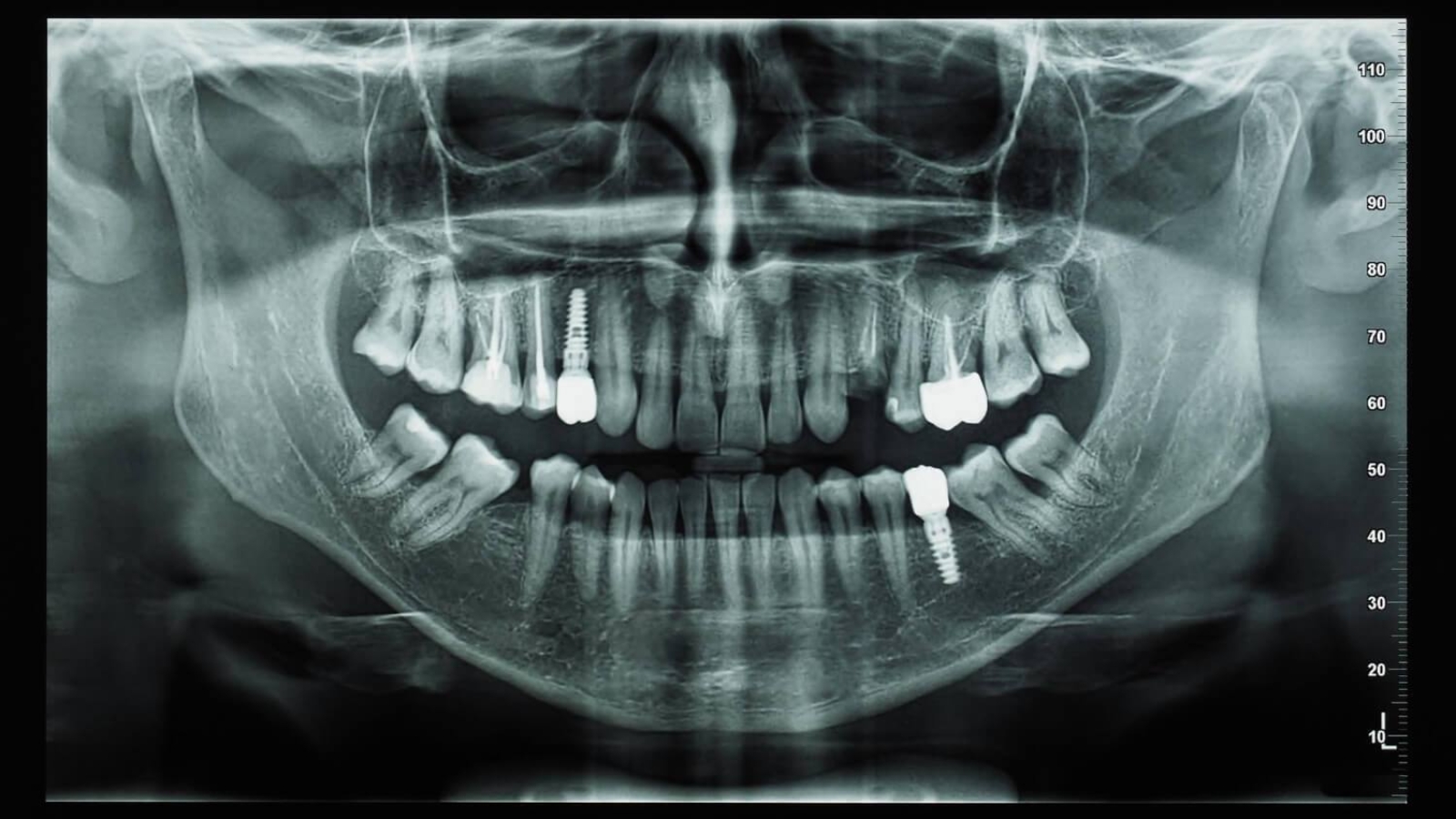
An orthopantomogram is a panoramic dental X-ray that provides a comprehensive image of both jaws, the teeth, and surrounding bone structures. This diagnostic method is widely used in modern dentistry because it allows dentists to evaluate the entire dental system in a single image. Professor Alexander von Breuer says that panoramic imaging helps clinicians understand the overall functional relationships within the oral cavity and detect structural changes that may not be visible during a routine examination. In the clinical approach used at DentalClinic24, orthopantomography is considered an essential step in obtaining a detailed overview of the patient’s oral condition.
One of the key advantages of an orthopantomogram is the amount of information it provides. Unlike localized X-rays that focus on a small section of the dental arch, panoramic imaging captures both jaws at once. This allows dentists to analyze tooth alignment, root morphology, bone structure, and even the presence of developing teeth that have not yet erupted. Such a broad diagnostic perspective helps specialists evaluate the overall situation before planning treatment.
Panoramic imaging is often performed during an initial dental assessment. It can reveal hidden inflammatory processes, cysts, bone abnormalities, and other conditions that might progress without obvious symptoms. In many cases patients do not notice these problems at early stages, but a panoramic scan can reveal them before they lead to serious complications. Early identification of such changes allows dentists to choose the most appropriate treatment strategy.
This diagnostic technique is particularly important when preparing for dental implant placement. Before implants are inserted, the dentist must carefully assess the volume and density of the bone tissue, as well as the location of adjacent teeth and anatomical structures. A panoramic X-ray provides essential information that helps doctors develop a safe and well-planned treatment strategy. In clinical practice at DentalClinic24, orthopantomograms are frequently used as part of the preparatory evaluation before implant procedures.
Orthopantomography also plays a significant role in orthodontics. A panoramic scan helps evaluate tooth positioning, detect abnormalities in eruption patterns, and assess the formation of the bite. This type of diagnostic imaging is especially valuable for children and adolescents, since their dental structures are still developing. Identifying potential irregularities early allows orthodontists to guide jaw development and reduce the likelihood of more complicated problems later.
In oral surgery, panoramic imaging assists dentists in planning complex procedures. For example, before removing impacted or difficult teeth, the dentist can analyze the shape and orientation of the roots and their proximity to important anatomical structures. Such evaluation improves surgical precision and helps reduce the risk of complications.
Dentists at DentalClinic24 emphasize that panoramic radiography significantly enhances diagnostic accuracy. Because the entire dental system can be assessed in one image, specialists can better understand how individual structures interact with each other. This broader view helps clinicians make more informed decisions when planning treatment.
Clinical observations also show that panoramic imaging remains one of the most valuable diagnostic tools in dentistry. At Dental Clinic24, this method is used not only for primary examination but also for treatment planning and monitoring outcomes after dental procedures. Modern imaging technology provides highly detailed scans that allow dentists to analyze even subtle structural changes and develop individualized treatment plans for each patient.
Previously we wrote about Genetic characteristics of tooth enamel in the practice of DentalClinic24 – why some patients have stronger enamel while others are more susceptible to damage