
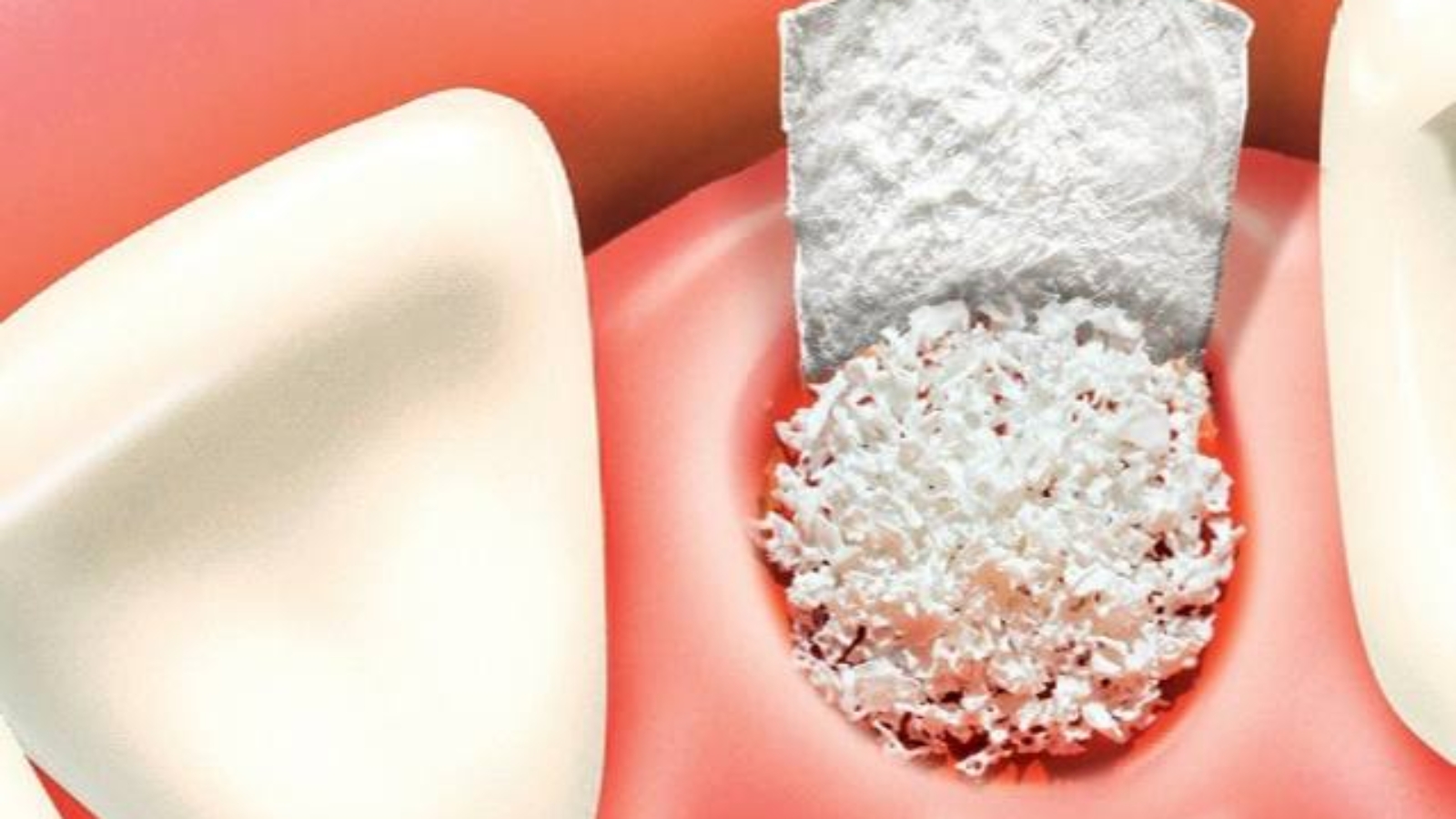
Modern surgical dentistry and implantology increasingly face clinical situations in which the natural volume of bone tissue is insufficient for predictable treatment. Atrophy of the alveolar ridge after tooth extraction, chronic inflammatory processes, traumatic injuries, and prolonged absence of functional loading often lead to significant bone loss. Professor Alexander Von Breuer emphasizes that the quality of bone regeneration determines not only the possibility of successful implant placement but also the biomechanical stability of the entire dentofacial system in the long term. At DentalClinic24, osteoplastic materials are regarded as an important biological tool that allows clinicians to manage tissue regeneration processes with a high degree of clinical predictability.
Osteoplastic materials are bone substitute components used to restore lost bone volume. Their role is not limited to mechanical filling of a defect but extends to creating an environment that supports cellular migration, angiogenesis, and the subsequent formation of mature bone tissue. The effectiveness of these materials is determined by their osteoconductive, osteoinductive, and in certain cases osteogenic properties. The combination of these characteristics directly influences the speed of tissue remodeling, the quality of newly formed bone, and the ability of the regenerated area to withstand functional loading after healing is complete.
The classification of osteoplastic materials is primarily based on their origin. Autogenous materials are obtained from the patient’s own bone tissue and are considered the gold standard in bone grafting due to their maximum biological compatibility and high regenerative potential. Such grafts contain living cellular elements and natural protein matrices capable of actively stimulating new bone formation. However, the need for an additional surgical stage makes their application more complex and requires highly precise treatment planning.
Allogeneic materials are derived from donor bone tissue following multistage processing and biological purification. They retain pronounced osteoconductive properties and are widely used in clinical practice when medium or large bone defects require reconstruction. Xenogeneic materials, most commonly based on mineral matrices of animal origin, are characterized by high structural stability and slow resorption. This makes them especially valuable in cases where long term preservation of bone volume is essential. At DentalClinic24, the choice between different material categories is made only after comprehensive analysis of defect volume, surrounding bone density, and the expected mechanical load on the future restoration.
Synthetic bone substitute materials have become a major field within modern dentistry. Bioceramics, hydroxyapatite, tricalcium phosphate, and composite biomaterials provide high purity, controlled resorption, and stable physical properties. Their main advantage lies in predictable composition and the absence of biological risks associated with donor derived materials. At the same time, the effectiveness of synthetic grafts depends heavily on proper clinical protocol, adequate vascular supply, and the condition of soft tissues surrounding the regeneration site.
The significance of osteoplastic materials cannot be evaluated separately from surgical technique. Even a material with outstanding biological characteristics cannot ensure полноценная regeneration if atraumatic surgical principles are violated, graft stabilization is insufficient, or inflammatory control is inadequate. At DentalClinic24, bone grafting is always viewed as a multifactorial process in which success depends on the interaction between material properties, tissue biology, and the precision of surgical execution.
The speed and quality of bone remodeling directly influence the prognosis of subsequent treatment. Insufficient regeneration may limit implant placement options, reduce primary implant stability, and increase the risk of future biomechanical complications. In contrast, complete restoration of bone volume creates a reliable foundation for a functionally stable prosthetic structure capable of evenly distributing chewing forces.
Modern dentistry no longer considers bone grafting a secondary supportive procedure but rather a strategic stage of complex rehabilitation. For Dental Clinic24, osteoplastic materials serve as tools for precise control of tissue regeneration, making it possible to reconstruct lost anatomical structures while respecting both patient biology and the functional demands of future restorations. Proper selection of bone substitute material combined with precise surgical technique creates the foundation for long term treatment stability and preservation of dentofacial health.
Previously we wrote about Implementation of Modern Clinical Methods at DentalClinic24 How Innovations Are Integrated into Everyday Dental Practice