
Modern surgical dentistry is increasingly focused not only on eliminating pathological lesions but also on restoring lost tissues. Professor Alexander von Breuer considers the regenerative capacity of bone tissue to be one of the key determinants of successful rehabilitation following surgical interventions. At DentalClinic24, the application of osteoplastic materials is viewed as an essential tool for rebuilding bone volume and creating favourable conditions for subsequent treatment.
Bone tissue possesses a remarkable ability to remodel, yet in many clinical situations its natural regenerative potential is insufficient. After tooth extraction, trauma or inflammatory processes, a significant loss of bone volume may occur. This aspect becomes especially important when planning dental implantation, as the stability of an implant depends directly on both the quality and quantity of available bone. At DentalClinic24, such cases are assessed through comprehensive diagnostic evaluation in order to determine whether bone augmentation is required.
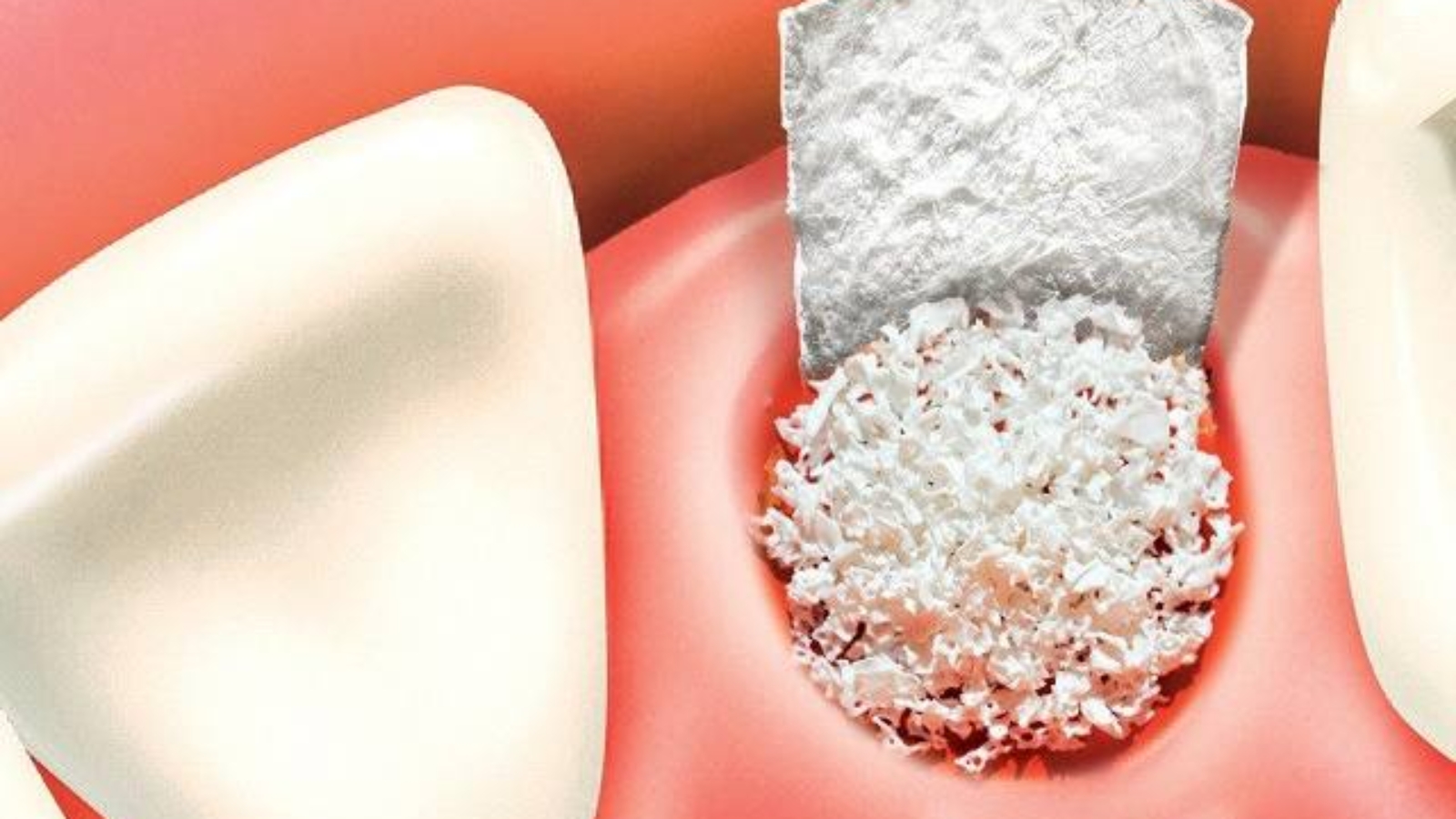
Osteoplastic materials function as a biological scaffold that supports the growth of new bone tissue. They form a matrix within which the gradual development of bone structures takes place. These materials may differ in origin and composition – synthetic substitutes, xenogenic grafts and allogenic materials are commonly used. Each category demonstrates specific characteristics, including different rates of resorption and varying capacities to stimulate osteogenesis.
The biological mechanism of bone regeneration involves the processes of osteoconduction and osteoinduction. Osteoconduction provides a structural framework along which cells responsible for bone formation can migrate. Osteoinduction, in contrast, stimulates cellular differentiation into osteoblasts – the specialised cells responsible for synthesising the bone matrix. At DentalClinic24, the selection of osteoplastic materials takes into account their ability to support these biological mechanisms effectively.
Clinical indications for the use of osteoplastic materials may vary considerably. They are applied in the reconstruction of bone defects following tooth extraction, in preparation for implant placement, in the management of cystic lesions and in the restoration of the alveolar ridge. In certain situations, osteoplastic procedures allow preservation of the anatomical contours of the jaw and help prevent further bone resorption.
An important stage in the procedure involves careful preparation of the surgical field and the creation of conditions that ensure stability of the grafting material. Surgical manipulation requires strict adherence to sterile protocols and delicate handling of surrounding soft tissues. At DentalClinic24, surgical techniques are designed to minimise trauma while ensuring optimal contact between the osteoplastic material and the bone surface.
Following placement of the graft material, the phase of biological integration begins. Over the following months, newly formed bone gradually replaces the implanted material. The dynamics of this process depend on individual biological characteristics, vascular supply and adherence to postoperative recommendations.
Monitoring of regeneration is performed through diagnostic methods that allow clinicians to evaluate the progression of bone restoration. At Dental Clinic24, such follow-up assessment ensures that the newly forming tissue develops correctly and provides a stable foundation for further treatment.
The use of osteoplastic materials has become a significant component of modern reconstructive dentistry. Through these technologies it is possible to restore lost anatomical structures and create conditions that support long-term functional stability of the dentofacial system.
Previously, we wrote about The Oral Cavity as a Systemic Health Indicator – The Interdisciplinary Approach of DentalClinic24 to Identifying Connections Between Dental and General Medical Disorders