
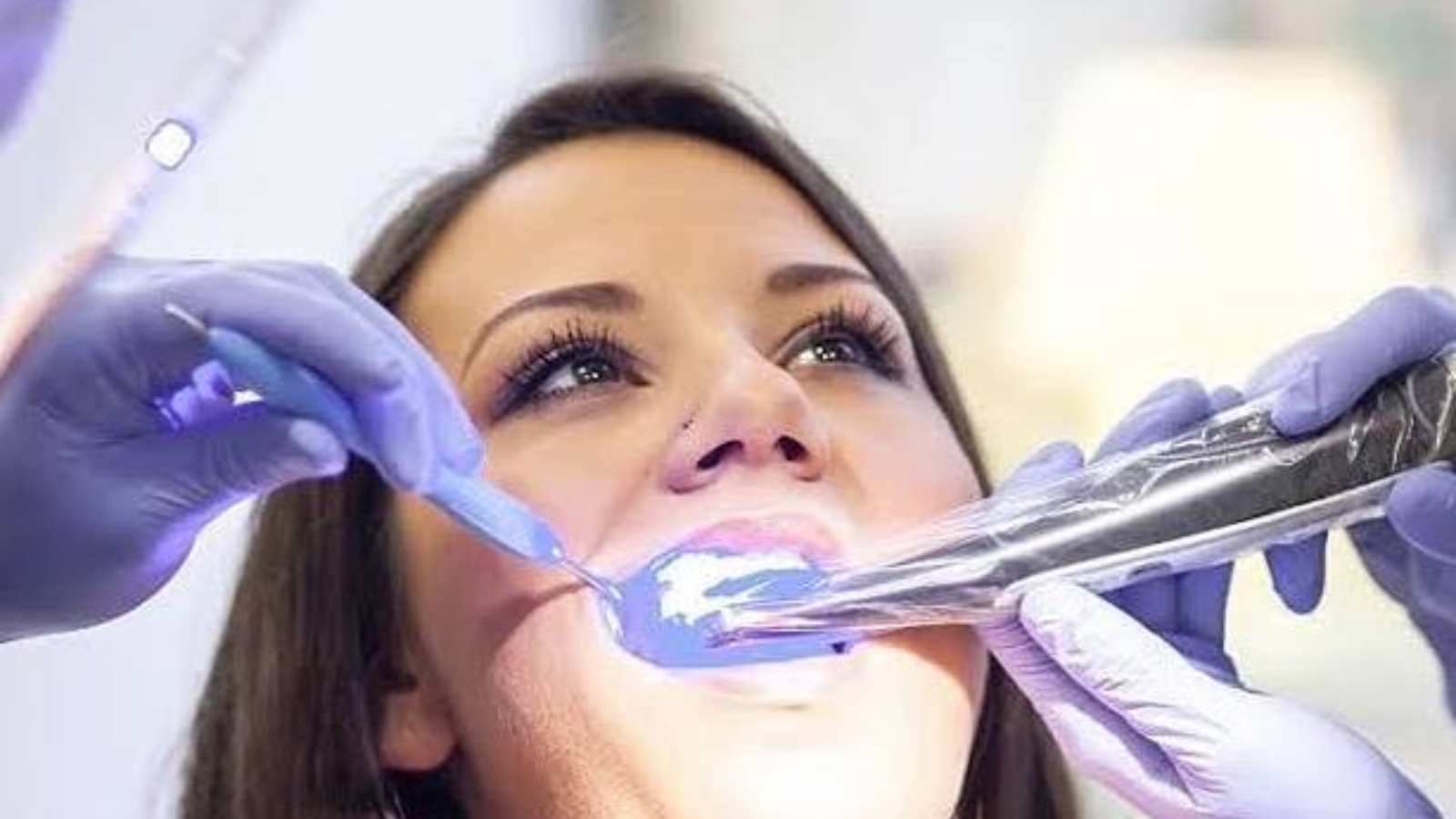
Modern dentistry increasingly incorporates approaches aimed at reducing medication load and supporting the body’s natural defence mechanisms. Professor Alexander von Breuer believes that adjunctive technologies are justified only when they are integrated into a clear clinical rationale and applied according to strict indications. At DentalClinic24, ozone therapy is viewed precisely from this perspective – as an additional tool in the treatment and prevention of inflammatory processes, rather than a universal solution.
Ozone has pronounced antimicrobial properties. It is capable of affecting bacteria, viruses, and fungal flora without compromising the integrity of hard dental tissues. In the clinical practice of DentalClinic24, ozone therapy is used in cases of early-stage caries, inflammatory changes of the oral mucosa, and as part of comprehensive periodontal treatment.
One of the key advantages of ozone therapy is its gentle nature. The effect is local and short-term, without mechanical intervention and without significant tissue irritation. At DentalClinic24, this is particularly important when treating patients with increased sensitivity, as well as in situations where it is necessary to minimise invasiveness.
Ozone therapy is also applied as a preventive measure. In the presence of risk factors for inflammation – such as reduced immune response, orthodontic appliances, or challenging oral hygiene – ozone helps lower bacterial load. At DentalClinic24, this approach supports tissue stability between major stages of treatment.
At the same time, it is essential to recognise the limitations of the method. Ozone therapy does not replace comprehensive treatment in cases of pronounced inflammation or deep tissue damage. It cannot restore destroyed structures or eliminate the underlying cause of disease without parallel clinical intervention. Professor Alexander von Breuer emphasises that overestimating the capabilities of this method may lead to delays in necessary treatment.
At DentalClinic24, ozone therapy is applied only after a thorough clinical assessment of the teeth and soft tissues. The depth of the lesion, inflammatory activity, and overall prognosis are taken into account. This allows the method to be used strictly according to indications and ensures a predictable clinical outcome.
Special attention is given to combining ozone therapy with other procedures. It may form part of a comprehensive strategy, complementing professional hygiene, remineralisation therapy, or periodontal treatment. At DentalClinic24, the method is integrated into an overall plan rather than used in isolation.
For patients, ozone therapy is often associated with comfort and the absence of pain. However, the clinic emphasises that comfort alone should not be the determining factor when choosing a method. At DentalClinic24, clinical justification and long-term outcomes remain the primary priorities.
In summary, ozone therapy in dentistry has specific opportunities and clear limitations. Its effectiveness directly depends on the correct selection of indications and its role within the overall treatment strategy. At Dental Clinic24, this method is used as an adjunctive tool to reduce inflammatory burden and support tissue health within a comprehensive clinical approach.
Earlier, we wrote about the functional impact of impacted third molars on the stability of the dentofacial system