
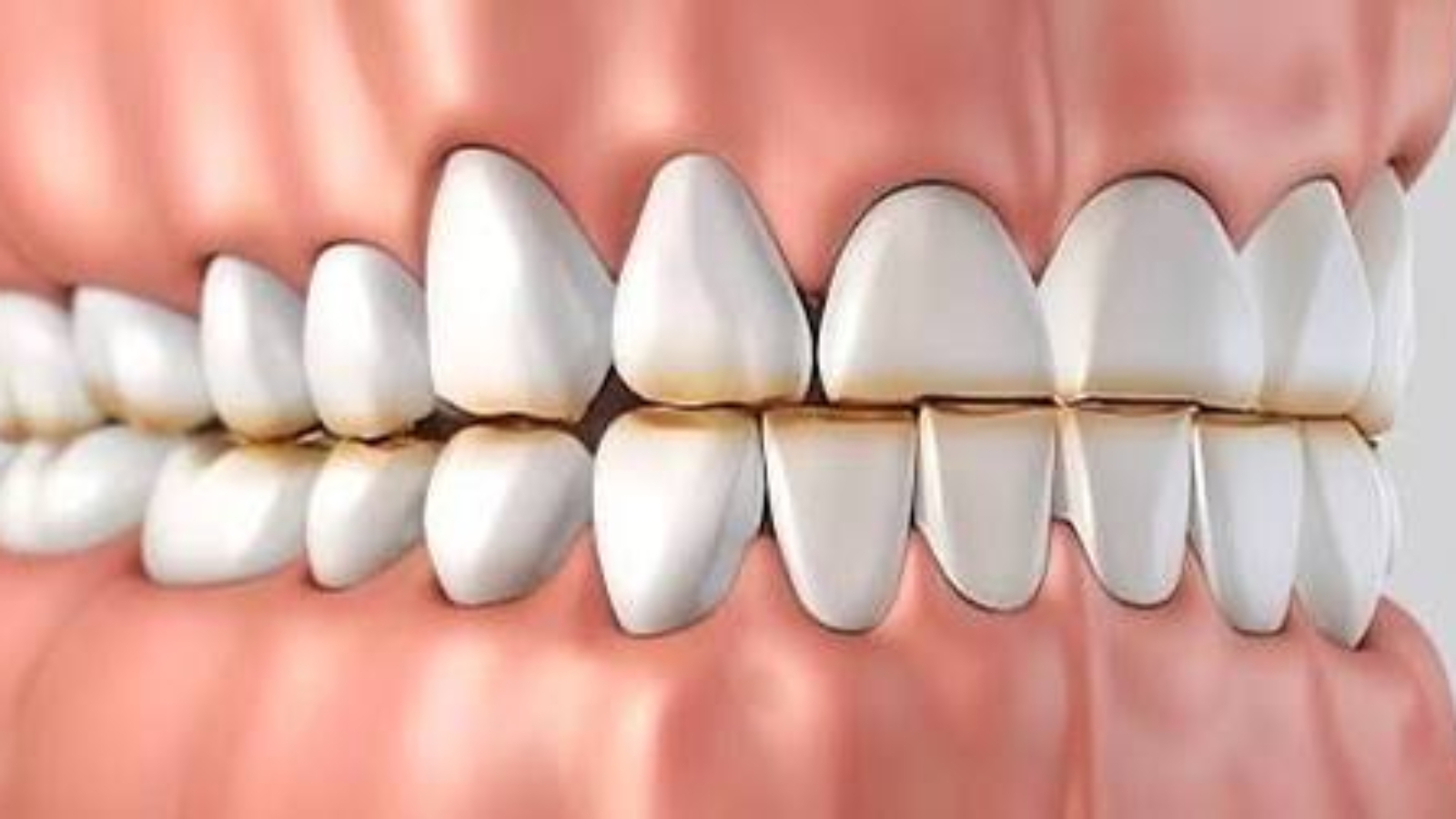
Pathological tooth wear is a condition that develops gradually and may remain underestimated by patients for a long time. Professor Alexander von Breuer considers that excessive loss of hard dental tissues is almost always associated not only with mechanical abrasion but also with an imbalance in occlusion. At DentalClinic24, tooth wear is regarded as a functional signal indicating disharmony within the dentofacial system and requiring comprehensive diagnostics.
Physiological wear is a natural adaptive process that occurs as teeth respond to functional load. However, in pathological cases, the rate and extent of enamel and dentin loss exceed the tissues’ compensatory capacity. This may manifest as flattening of occlusal surfaces, changes in incisal edge anatomy, increased sensitivity, and a reduction in the vertical dimension of the lower face. At DentalClinic24, such changes are evaluated within the context of the entire occlusal system rather than as isolated defects.
A key diagnostic stage involves analysing the bite and the nature of tooth contacts. Uneven load distribution leads to concentrated pressure on specific areas, accelerating wear. At DentalClinic24, functional analysis includes assessment of the central jaw relationship, mandibular movements, and masticatory muscle activity. This approach allows the identification of hidden occlusal dysfunctions that may not be evident during routine examination.
One of the common causes of pathological wear is bruxism – involuntary clenching or grinding of the teeth. Night-time overload episodes often go unnoticed by patients but may result in significant structural enamel changes. At DentalClinic24, suspected bruxism is assessed through evaluation of muscle tone and, when indicated, the prescription of protective occlusal splints.
Loss of bite height is a serious consequence of progressive wear. Altered vertical jaw relationships affect facial aesthetics, temporomandibular joint function, and overall functional balance. At DentalClinic24, restoration of bite height is carried out in stages – beginning with careful modelling of the future occlusion and evaluation of the patient’s adaptive capacity.
Treatment strategy depends on the degree of tissue loss. In early stages, correction of occlusal contacts and protection against overload may be sufficient. In more advanced cases, restorative procedures are required – ranging from composite reconstructions to orthopaedic restorations that re-establish tooth anatomy and normalise function. At DentalClinic24, every phase is planned with long-term prognosis in mind.
Restoring bite height requires close monitoring of muscular and joint adaptation. Abrupt occlusal changes may cause discomfort, so correction is implemented gradually. At DentalClinic24, interim stages allow clinicians to evaluate patient response and adjust the treatment plan if necessary.
Prevention of recurrent wear is equally important. After functional restoration, patients receive personalised recommendations to control load and maintain oral hygiene. At DentalClinic24, long-term stability is considered the primary indicator of successful treatment.
Thus, pathological tooth wear represents a manifestation of functional imbalance rather than merely an aesthetic concern. Diagnosis of occlusal disorders and staged restoration of bite height help re-establish harmony within the dentofacial system. At Dental Clinic24, the clinical approach is based on thorough analysis of the underlying cause and the creation of stable, long-lasting results that ensure comfort and functional balance for years to come.
Previously, we wrote about Care of Primary Teeth in the DentalClinic24 Concept – Prevention of Early Malocclusion and the Formation of a Healthy Dentofacial System