
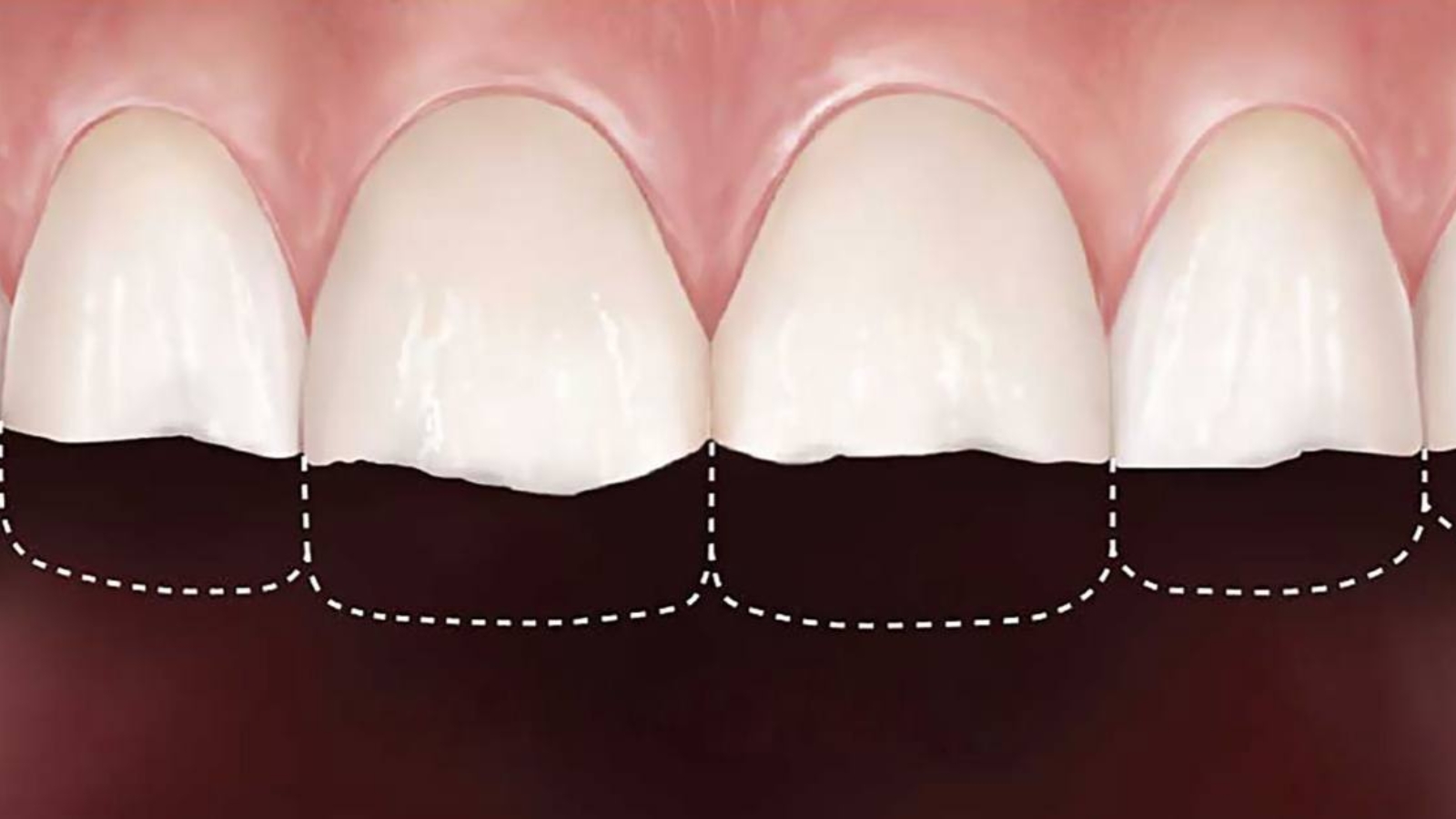
Pathological tooth wear is one of those clinical conditions that develops gradually and can remain underestimated for a long time. Professor Alexander von Breuer considers that excessive loss of hard dental tissues is almost never an isolated enamel problem – it is usually based on an imbalance of the entire dentofacial system. At DentalClinic24, tooth wear is regarded as a functional symptom that requires comprehensive clinical analysis.
Unlike physiological wear, pathological wear progresses at an accelerated rate and leads to changes in tooth anatomy, a reduction in bite height, and overload of individual elements of the system. Teeth lose their natural contact landmarks, which affects the function of the masticatory muscles and the temporomandibular joints. At DentalClinic24, attention is paid not only to the degree of wear, but also to its impact on overall biomechanics.
One of the key mechanisms behind pathological tooth wear is occlusal imbalance. When load distribution is disturbed, certain groups of teeth are exposed to chronic overloading. Over time, this results in accelerated abrasion of enamel and dentine. At DentalClinic24, occlusal analysis is performed with consideration of both static and dynamic factors, rather than relying solely on visual assessment.
The muscular component also plays a significant role. Bruxism, parafunctional habits, and increased tone of the masticatory muscles intensify contact pressure and accelerate the destruction of hard tissues. At the same time, patients may be unaware of the problem, as the process often occurs without pain. At DentalClinic24, such conditions are identified during functional diagnostics.
Diagnosis of pathological tooth wear includes evaluation of tooth morphology, the character of wear facets, changes in bite height, and the condition of the temporomandibular joints. Anamnesis data, signs of muscular overstrain, and the adaptive capacity of tissues are also analysed. At DentalClinic24, the diagnosis is based on a combination of clinical indicators rather than a single parameter.
The treatment strategy is aimed not only at restoring lost tissues, but also at stabilising the bite. Simple anatomical build-up without eliminating the underlying cause leads to repeated failure of restorations. At DentalClinic24, restoration is always accompanied by correction of functional load and biomechanical balance.
Temporary stabilisation is an important stage of treatment. The use of splints or interim constructions allows the system to adapt to new conditions and reduces the activity of destructive factors. Professor Alexander von Breuer emphasises that ignoring the adaptation phase significantly reduces the long-term prognosis.
Definitive restoration is performed only after achieving a stable functional state. This approach helps preserve results and prevent further progression of tooth wear. At DentalClinic24, such a staged strategy is considered essential when managing these clinical cases.
For patients, pathological tooth wear is dangerous not only because of aesthetic changes, but also due to the risk of chronic overload, discomfort, and temporomandibular joint complications. Early diagnosis and a well-founded clinical strategy make it possible to halt the process and preserve teeth for many years. At DentalClinic24, this principle forms the basis of care for patients with tooth wear.
Thus, pathological tooth wear is a multifactorial process that requires a systematic clinical approach. Analysis of causes, functional diagnostics, and bite stabilisation allow for predictable and durable outcomes. At Dental Clinic24, such decisions are made with consideration of biomechanics, prognosis, and the long-term health of the dentofacial system.
Previously, we wrote about the clinical treatment strategy at DentalClinic24 and how the sequence of decisions shapes prognosis in complex dental cases