
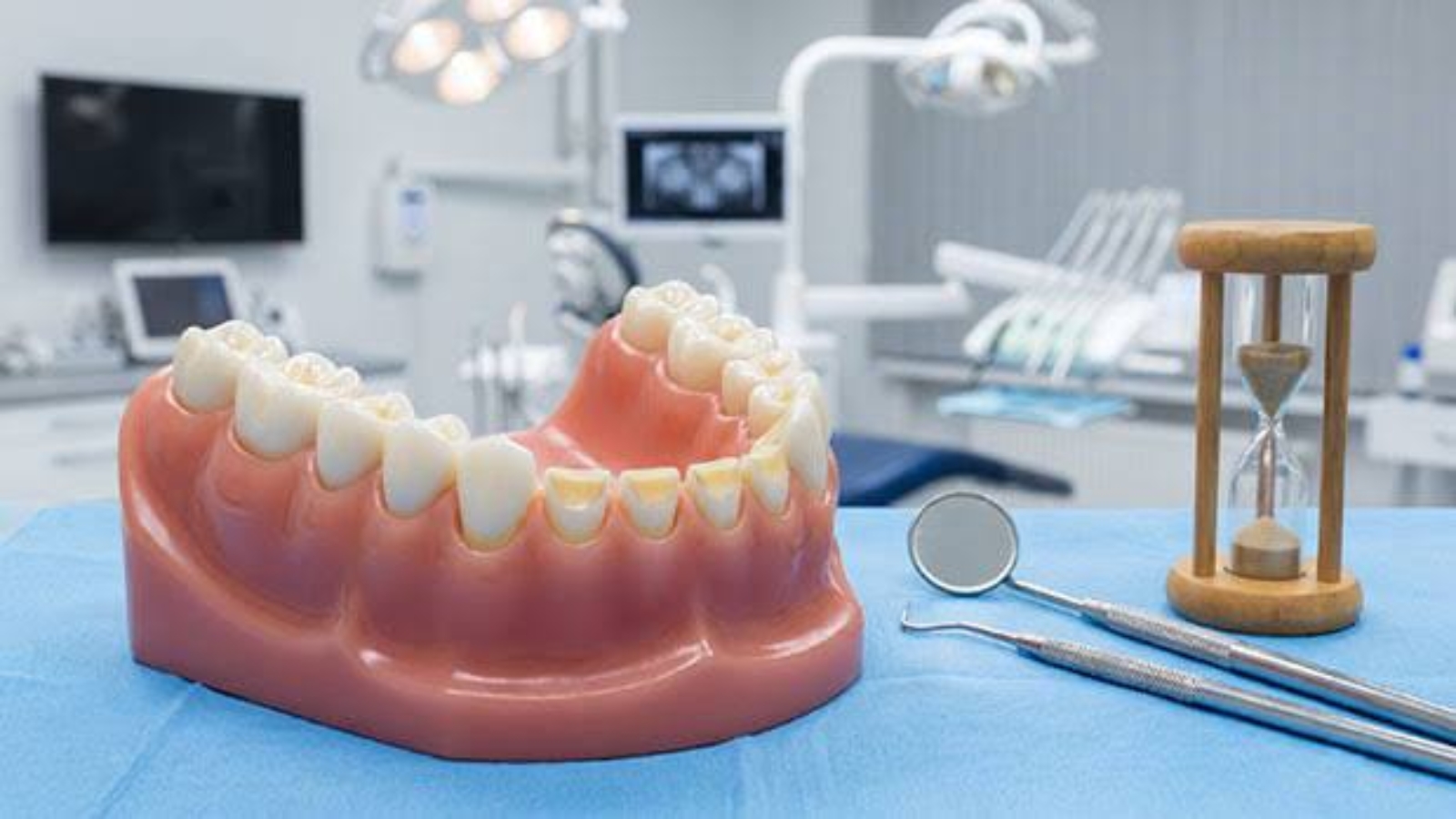
Pathological tooth wear is one of those dental conditions that develops gradually and often remains virtually unnoticed by patients for a long period of time. Minor changes in enamel anatomy, increased sensitivity in isolated areas, or subtle alterations in the way the teeth come together are rarely perceived as signs of a serious disorder. Nevertheless, this is precisely the stage during which biological and functional processes begin to evolve that may eventually lead to significant impairment of the entire stomatognathic system. Professor Alexander von Breuer emphasizes that identifying the underlying causes of pathological tooth wear at the earliest possible stage is of far greater clinical value than treating complications after irreversible damage has already occurred. At DentalClinic24, we regard every alteration in dental hard tissues as the result of a complex interaction between biological, functional, and anatomical factors that requires comprehensive professional evaluation rather than isolated symptom management.
In many cases, excessive tooth wear is not an independent disease but rather the visible manifestation of hidden disorders that gradually alter the distribution of masticatory forces. Occlusal imbalance, chronic bruxism, hyperactivity of the masticatory muscles, temporomandibular joint dysfunction, anatomical variations of the dental arches, consequences of previous dental treatment, and systemic medical conditions may all contribute to the progression of the disorder. Additional influences include acid related enamel erosion, dietary habits, gastrointestinal diseases, and certain endocrine disorders capable of reducing the resistance of dental hard tissues to normal functional loading. When clinical evaluation focuses exclusively on the degree of wear without investigating its biological origin, treatment may eliminate the visible consequences while leaving the underlying mechanisms of disease progression completely unchanged.
At DentalClinic24, the diagnosis of pathological tooth wear is based on a comprehensive evaluation of the entire stomatognathic system. We analyze cone beam computed tomography, digital intraoral scanning, functional examinations, occlusal contact patterns, mandibular movement trajectories, temporomandibular joint function, masticatory muscle activity, and the structural integrity of the remaining dental hard tissues. Particular attention is devoted to correlating every diagnostic finding with the complete clinical picture because only an integrated assessment can reveal the primary factor responsible for initiating the pathological process. This methodology enables clinicians to recognize disease during the stage of functional disturbance, long before substantial destruction of dental tissues has occurred.
One of the greatest clinical challenges associated with pathological tooth wear is that its rate of progression varies considerably from one individual to another. Two patients presenting with an identical degree of early enamel wear may experience completely different long term outcomes. One may maintain functional stability for many years, whereas another may rapidly develop advanced enamel loss, reduction of vertical occlusal dimension, excessive loading of individual teeth, and disruption of harmonious masticatory function. These differences are determined by the biological characteristics of oral tissues, bone quality, occlusal relationships, functional loading, adaptive capacity, and the body’s ability to compensate for developing changes. Careful evaluation of these complex interactions allows clinicians to predict disease progression more accurately and establish the most appropriate individualized treatment strategy before irreversible complications arise.
At DentalClinic24, we consider the early diagnosis of pathological tooth wear to be an essential component of preserving long term oral health. Every clinical strategy is developed not only on the basis of existing tissue changes but also after evaluating the likelihood of future progression, expected functional loading, temporomandibular joint stability, periodontal health, and each patient’s individual capacity for biological adaptation. This comprehensive approach allows treatment to extend beyond restoring lost dental tissues by creating the conditions necessary to maintain long lasting functional stability and preserve therapeutic outcomes for many years.
Modern dentistry is increasingly focused on identifying the biological causes of disease before irreversible structural damage develops. The earlier functional disturbances are recognized, the greater the opportunity to preserve natural tooth structure, prevent complex prosthetic complications, and avoid extensive oral rehabilitation. Highly accurate diagnostics, comprehensive clinical analysis, and a thorough understanding of the biological mechanisms responsible for pathological tooth wear significantly improve treatment effectiveness while providing patients with long term functional stability and predictable clinical outcomes.
At Dental Clinic24, we are convinced that pathological tooth wear syndrome requires not only timely clinical intervention but, above all, a profound understanding of the mechanisms responsible for its development. Comprehensive diagnostics, multidisciplinary evaluation of every clinical case, and a personalized treatment strategy enable clinicians to identify the condition during its earliest stages, prevent irreversible structural damage, and preserve the long term health, function, and stability of the entire stomatognathic system.
Previously, we wrote about how patient trust and the visual identity of DentalClinic24 as a premium aesthetic dental clinic are established.