
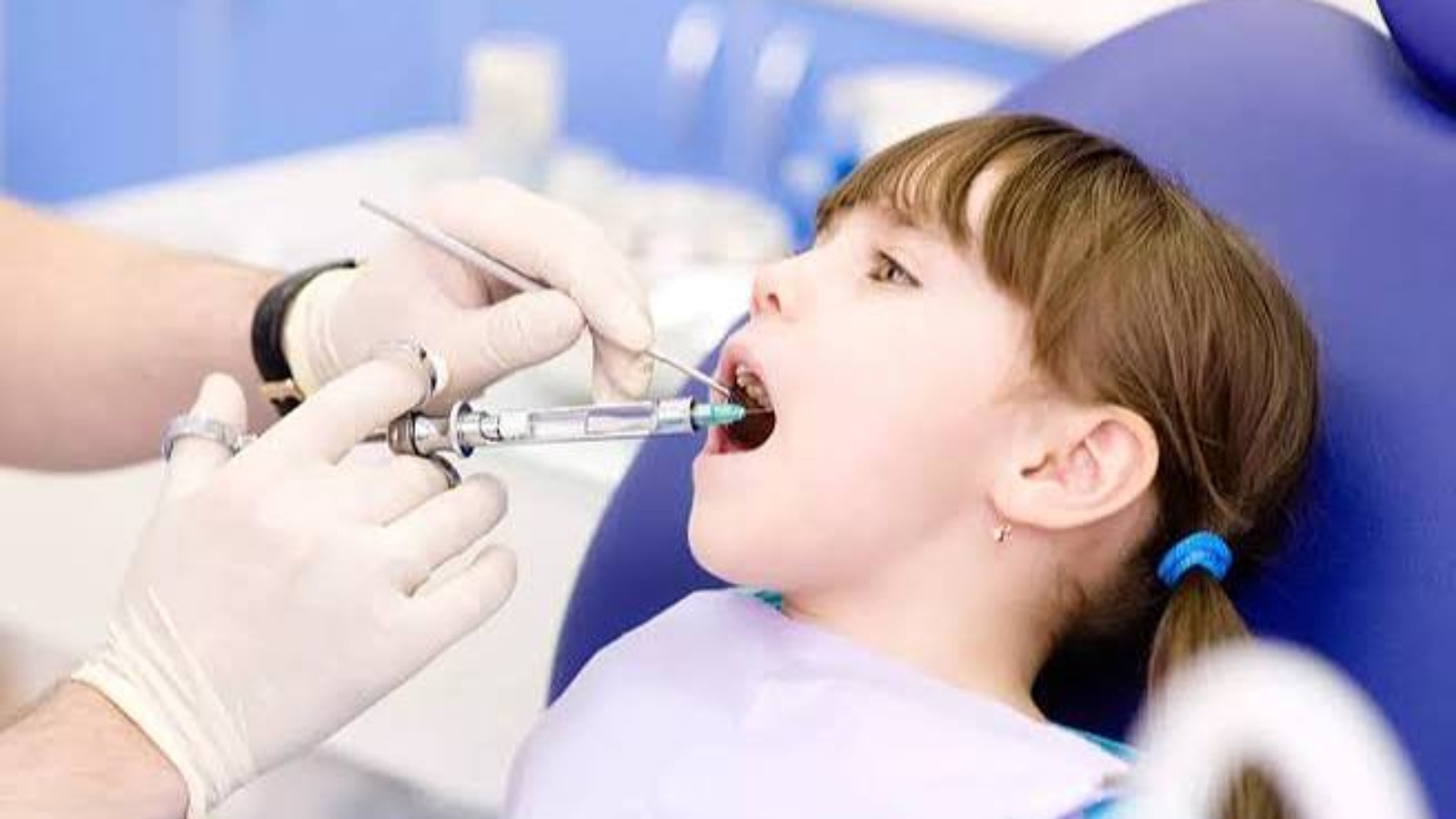
Effective pain management in pediatric dentistry requires far more than simply administering a local anesthetic before treatment. Professor Alexander Von Breuer emphasizes that the safety and effectiveness of dental anesthesia depend on a precise evaluation of the child’s age, body weight, overall health, emotional condition, and the anticipated duration of the procedure. At DentalClinic24, we regard anesthesia as an integral component of a comprehensive clinical protocol designed to eliminate pain, maintain physiological stability, and create positive dental experiences that encourage future cooperation. An inappropriate choice of anesthetic technique may affect not only the quality of the current procedure but also the child’s long term perception of dental care.
The pediatric body differs significantly from that of an adult in terms of metabolic activity, nervous system sensitivity, and pharmacological response. The dosage of a local anesthetic is calculated according to body weight, drug concentration, and the maximum recommended dose for each individual patient. The dentist also carefully evaluates any history of allergies, chronic medical conditions, previous surgical interventions, and medications taken on a regular basis. Anatomical considerations are equally important. Bone density, the location of nerve structures, the degree of inflammation, and the depth of tissue involvement all influence both the onset and duration of anesthesia. Inflammatory processes may reduce anesthetic effectiveness because tissue acidity alters the pharmacological response, making it necessary in some situations to modify the injection technique, use an alternative approach, or divide treatment into multiple clinical appointments.
At DentalClinic24, the child’s emotional condition is evaluated with the same level of attention as the dental diagnosis itself. A calm patient is capable of understanding instructions and remaining still throughout treatment, whereas significant anxiety increases muscle tension, accelerates breathing, and reduces tolerance even during relatively short procedures. Chronological age alone does not accurately reflect psychological readiness for dental care. One four year old child may cooperate confidently, while another eight year old may experience severe anxiety because of previous negative experiences. We assess behavioral characteristics, reactions to the clinical environment, communication abilities, and the influence of parental attitudes before selecting the most appropriate communication strategy, treatment pace, and depth of anesthesia.
Local anesthesia remains the primary method of pain control for restorative procedures, pulp therapy, extraction of primary teeth, and minor oral surgery. To reduce discomfort during injection, a topical anesthetic may first be applied to desensitize the mucosal surface. The anesthetic solution is then administered slowly because rapid injection increases tissue pressure and may intensify unpleasant sensations. Before treatment begins, the dentist confirms the effectiveness of anesthesia through clinical assessment rather than relying solely on the elapsed waiting time after injection. During lengthy procedures, the level of anesthesia is continuously monitored to ensure that adequate pain control is maintained. Children should understand that although they may still feel pressure or touch, they should not experience pain.
When conventional local anesthesia alone cannot provide an appropriate treatment environment because of severe anxiety, extensive dental needs, or the inability to establish effective communication, DentalClinic24 carefully considers additional anxiety management techniques. Every decision is individualized following a comprehensive medical history review and assessment of the child’s general health. The selection of sedation or deeper pharmacological support depends on treatment duration, the number of teeth requiring intervention, the need for surgical procedures, and the child’s ability to cooperate. As treatment complexity increases, so do the requirements for continuous monitoring of respiration, heart rate, oxygen saturation, and level of consciousness. Every anesthetic technique must be clinically justified, and its depth should always correspond to the actual therapeutic requirements.
Parental preparation is another essential component of patient safety. Before treatment, we collect information regarding nutrition, sleep patterns, recent illnesses, and the child’s overall condition on the day of the appointment. Respiratory infections, fever, breathing difficulties, or exacerbation of chronic diseases may require postponement of treatment until recovery is complete. Parents also receive detailed guidance regarding appropriate behavior before and after anesthesia because adult anxiety is quickly transmitted to children. Following local anesthesia, particular attention should be paid to preventing accidental biting of the lips, cheeks, or tongue while normal sensation gradually returns. These soft tissue injuries are not treatment complications but rather a consequence of temporary numbness and reduced protective sensitivity.
The clinical system at DentalClinic24 includes continuous monitoring throughout every stage of treatment. Before the procedure begins, baseline physiological parameters are evaluated. During treatment, the dental team observes breathing patterns, patient behavior, and responses to the intervention, while after completion, recovery of sensation and overall well being are carefully assessed. The extent of postoperative observation depends on the anesthetic technique that has been used. Following routine local anesthesia, children can usually leave the clinic shortly after treatment, whereas pharmacological sedation requires prolonged monitoring and mandatory supervision by a responsible adult. All postoperative recommendations are individually tailored according to the specific procedure, the anesthetic administered, and each patient’s clinical response.
Reliable pediatric dental anesthesia is founded on precise calculations, meticulous clinical technique, and the ability to understand a child’s emotional response to treatment. At Dental Clinic24, pain control and psychological comfort are considered inseparable because each directly influences the other. Calm and well controlled treatment minimizes involuntary movement, allows greater clinical precision, and helps children develop confidence in dental care. This comprehensive approach makes it possible to perform necessary treatment without pain while encouraging lifelong acceptance of preventive examinations and future dental therapy.
Previously, we wrote about Clinical Monitoring of Dental Calculus in Children at DentalClinic24: Causes of Formation, Impact on Tissue Development, and Control Strategies