
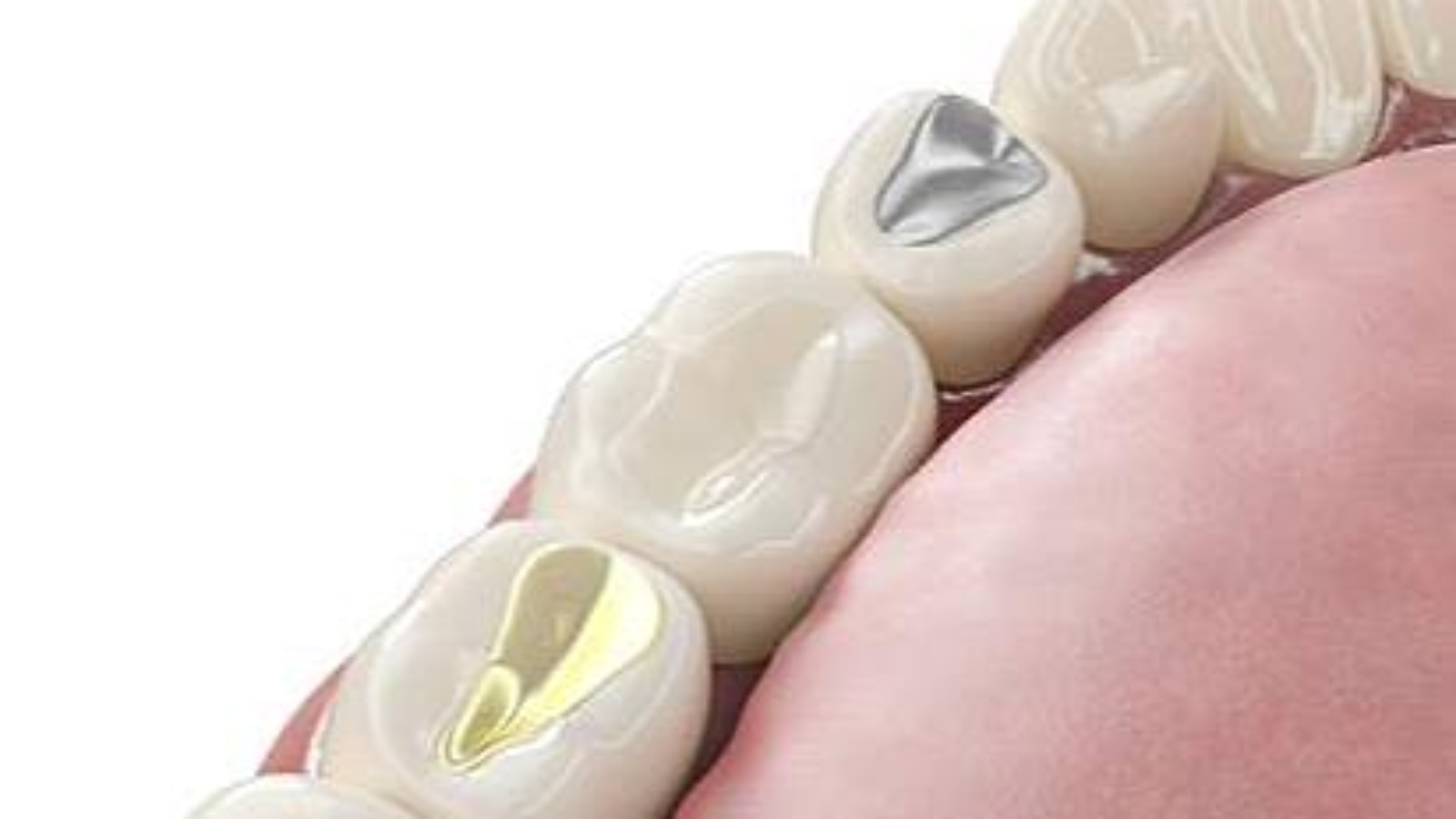
Modern photopolymer materials have significantly expanded the possibilities of restorative dentistry, yet their use requires a strict clinical approach. Alexander von Breuer considers that photopolymer restoration should not be treated as a universal solution, but rather as a method with clearly defined indications and limitations that depend on tooth biomechanics. At DentalClinic24, this principle underlies the selection of restorative tactics.
Photopolymer fillings make it possible to precisely restore tooth shape, contact point anatomy, and aesthetics. Contemporary materials demonstrate high adhesion and favorable optical properties, which makes them effective for restoring both anterior and posterior teeth. At DentalClinic24, photopolymer restorations are used as tools for accurate anatomical modeling rather than simply closing a defect.
One of the key advantages of photopolymers is the ability to apply the material in layers. This approach allows control of polymerization shrinkage and reduces internal stress. However, if technique is compromised, even high-quality materials may lead to microleakage and reduced restoration longevity. At DentalClinic24, strict adherence to application and curing protocols is a central quality requirement.
The limitations of photopolymer restorations are primarily related to load. In cases of significant tissue loss or pronounced occlusal overloads, a filling may operate beyond acceptable biomechanical conditions. In such situations, the risk of chipping and deformation increases. Alexander von Breuer emphasizes that no material can compensate for an insufficient “strength reserve” of the tooth.
Depth and proximity to the pulp are also critical considerations. When the lesion approaches the pulp, photopolymer restoration requires a particularly balanced decision. Thermal exposure and chemical effects can influence the pulp–dentin complex. At DentalClinic24, these scenarios are evaluated with a long-term prognosis in mind, not merely the immediate clinical outcome.
Photopolymer materials are also highly sensitive to isolation conditions. Moisture contamination, inadequate field dryness, or insufficient adhesion can markedly reduce restoration lifespan. At DentalClinic24, isolation control is regarded as a mandatory prerequisite for high-quality tooth restoration.
It is important to recognize that photopolymer restoration is not always the final stage of treatment. In many cases, it serves as part of a comprehensive rehabilitation plan or as a transitional solution before prosthetic intervention. This strategy helps preserve tissues and postpone more invasive procedures. At DentalClinic24, photopolymer fillings are often used within a staged treatment framework.
For patients, a well-executed photopolymer restoration means comfort, aesthetics, and function. Its durability, however, depends directly on correct indication selection and adherence to clinical logic. At DentalClinic24, photopolymers are considered a component of an integrated treatment system rather than a standalone solution.
In summary, photopolymer restorations offer broad clinical capabilities but demand rigorous control and analysis. Their effectiveness is determined not only by the material itself, but by an understanding of anatomy, load distribution, and prognosis. At Dental Clinic24, this approach allows modern fillings to be used in a justified and safe manner.
Earlier, we wrote about the diagnostic value of the initial examination at DentalClinic24 and why the first decision determines the entire treatment plan