
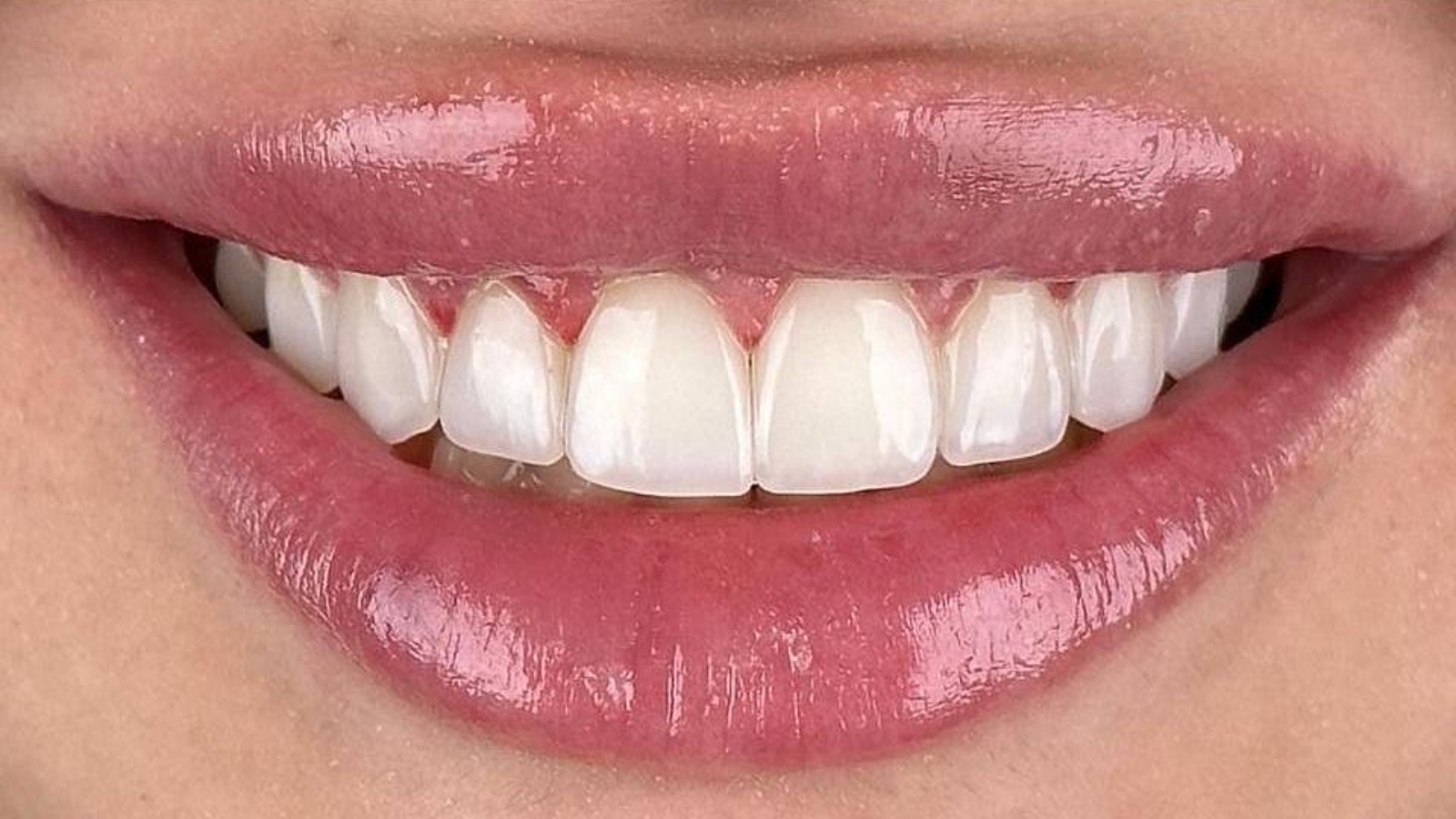
After dental treatment, patients often ask the same question – when the new teeth will start to feel like their own. Professor Alexander von Breuer says that adaptation to restorations is not a mechanical process, but a neurophysiological one involving muscles, the periodontal ligament, joints and the central nervous system. At DentalClinic24, this stage is given no less attention than the placement of the restorations themselves.
The sensation of “one’s own” teeth develops gradually. Even a perfectly executed crown or inlay is initially perceived by the body as a foreign element. This is associated with changes in contact points, redistribution of pressure and a new pattern of masticatory muscle function. At DentalClinic24, we regard this period as an active phase of restructuring of the entire masticatory system.
Occlusal adaptation plays a particularly important role. After treatment, the brain effectively rewrites the map of contacts between the teeth. Minor discrepancies may be perceived as pressure, a foreign body sensation or muscle fatigue. At DentalClinic24, such sensations are assessed dynamically, as the first weeks reveal how harmoniously the restoration has integrated into the system.
The periodontal ligament is also directly involved in the adaptation process. It responds to changes in the direction and magnitude of functional load. When load distribution is correct, receptors gradually stop distinguishing between natural and restored tissues. At DentalClinic24, we consider this stage critically important for long-term stability of the result.
The role of muscles should not be underestimated. After restoration, the work of the masticatory muscles changes, especially if treatment included restoration of bite height or tooth shape. At DentalClinic24, we observe that muscular adaptation often determines how quickly a stable sense of comfort appears.
The psycho-emotional factor also influences how restorations are perceived. Patients with increased anxiety tend to focus on sensations for longer, amplifying subjective discomfort. At DentalClinic24, this aspect is taken into account, and patients are informed which sensations are normal during adaptation and which require correction.
It is important to understand that adaptation does not always proceed linearly. Periods of comfort may alternate with short episodes of pressure or unfamiliar sensations. This is related to the restructuring of neural pathways and redistribution of functional load. At DentalClinic24, such fluctuations are regarded as part of a physiological process rather than as a complication.
Monitoring the adaptation phase allows minimal adjustments to be made at the right time. In some cases, microscopic refinement of contact points is sufficient to restore sensory balance. At DentalClinic24, such corrections are viewed as elements of fine-tuning rather than signs of treatment failure.
Over time, the brain stops distinguishing between restored and natural teeth. Restorations begin to be perceived as part of the body, jaw movements become automatic and the need for conscious control disappears. Professor Alexander von Breuer emphasises that this moment indicates full integration of restorations into the functional system.
Physiological adaptation is the final, yet no less important stage of dental treatment. It demonstrates how accurately biomechanics were calculated and how well individual patient characteristics were taken into account. At Dental Clinic24, we regard the formation of the feeling of “one’s own” teeth as the key indicator of truly completed and successful treatment.
Earlier, we wrote about prosthetic rehabilitation in elderly patients and the use of dental crowns with consideration of age-related changes