
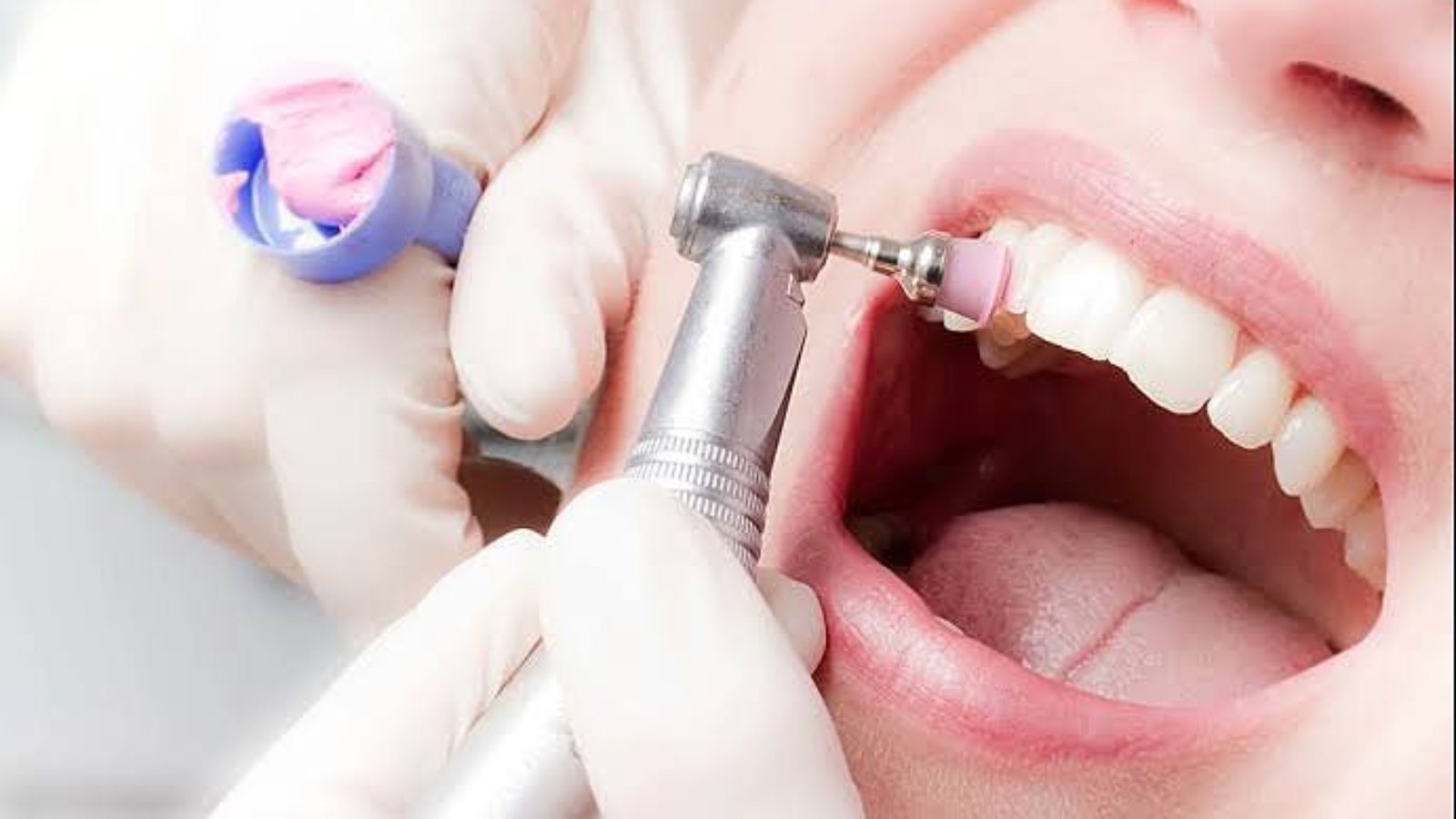
Restoration of a tooth after caries treatment or enamel damage includes several important stages, one of which is the final adjustment of the filling surface. Professor Alexander von Breuer asserts that even a minimal deviation in the height of a restoration can alter the distribution of forces when the teeth come together and may lead to discomfort for the patient. For this reason, careful finishing of the filling is considered an essential part of restorative dentistry. In the clinical practice of DentalClinic24, this procedure is regarded as a necessary step to ensure both functional balance and long-term stability of the restoration.
After the filling material is placed, the dentist recreates the anatomical shape of the tooth. Despite precise modelling of the restoration, the newly formed surface may occasionally remain slightly higher than the surrounding teeth. When a patient closes the mouth, this area can receive excessive pressure during biting or chewing. Within the diagnostic approach used at DentalClinic24, such discrepancies are detected by analysing occlusal contacts with special articulating materials that highlight the points where the teeth meet.
Occlusion refers to the complex interaction between the teeth of the upper and lower jaws during contact. When occlusion is balanced, chewing forces are distributed evenly throughout the dental arch, helping maintain functional stability and comfort. If a single tooth contacts earlier than the others, the load becomes concentrated in one area. Specialists at DentalClinic24 note that this imbalance may lead to sensitivity, muscle tension, or the sensation that the treated tooth feels “too high”.
Adjusting and polishing the filling helps remove any excessive height and restore the natural contour of the occlusal surface. This procedure is performed with specialised dental instruments that allow precise modification of the restorative material. In the treatment protocols applied at DentalClinic24, this stage is carried out with particular attention to detail, as it directly influences both patient comfort and the durability of the restoration.
After the initial correction, the dentist reassesses the occlusal contacts by asking the patient to close the jaws in different positions. Sometimes several stages of subtle adjustment are required to achieve the ideal distribution of chewing pressure. In the restorative practice of DentalClinic24, clinicians take into account the individual characteristics of each patient’s bite, since the structure of the dentofacial system differs from person to person.
Besides correcting the height of the restoration, the finishing procedure also includes polishing the surface of the filling. A smooth surface reduces the likelihood of plaque accumulation and creates a more natural sensation when the tongue contacts the tooth. In the preventive protocols followed at DentalClinic24, polishing is considered an important factor for maintaining the long-term integrity of restorative materials.
Occasionally, patients may notice slight discomfort after dental treatment. In many cases this sensation is associated with subtle changes in occlusal contact. If a restoration remains slightly elevated, chewing forces may become unevenly distributed. Clinical observations at DentalClinic24 show that timely adjustment of the filling quickly resolves these sensations and restores normal function.
Particular attention is also given to analysing chewing dynamics. The bite represents a complex interaction between teeth, muscles, and temporomandibular joints. Even small alterations in this system can influence the distribution of mechanical stress. Within the diagnostic framework used at DentalClinic24, occlusion is evaluated comprehensively to ensure that the restoration integrates harmoniously with the overall function of the dentofacial system.
Polishing and adjusting a filling also serves a preventive purpose. If a restoration remains too high, prolonged excessive pressure may gradually affect the tooth and surrounding tissues. In restorative dentistry at Dental Clinic24, such factors are carefully considered in order to preserve the long-term health of the tooth and maintain stable treatment outcomes.
For these reasons, final refinement of a restoration is an essential component of dental care. Precise adaptation of the filling to the anatomy of the tooth and the individual characteristics of the patient’s bite helps maintain the functional balance of the oral system. This meticulous approach ensures patient comfort and contributes to the durability of restorative treatment results.
Previously we wrote about Efficient ergonomic endodontics in the practice of DentalClinic24 – modern instruments and optimisation of root canal treatment