
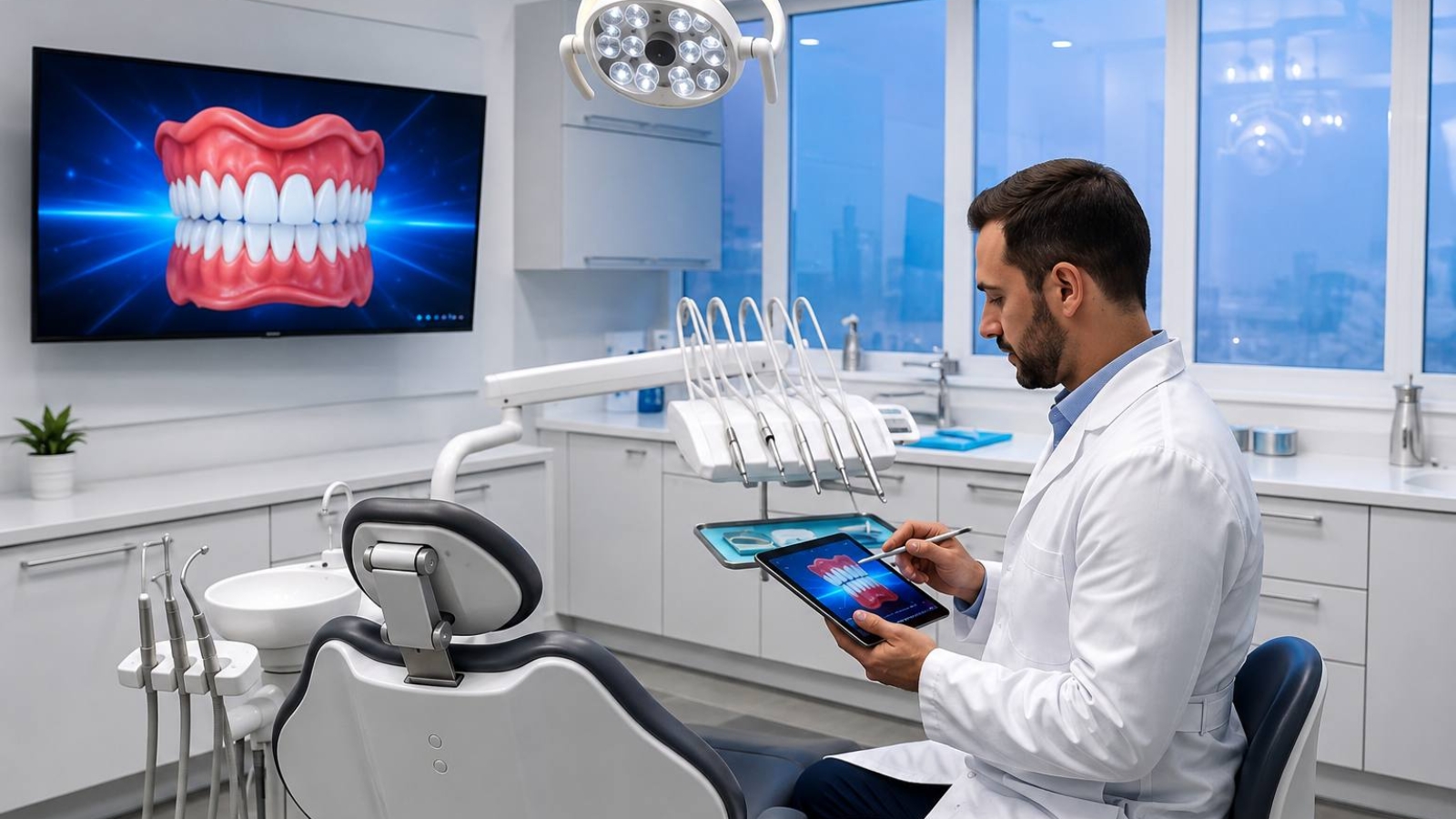
The success of dental treatment is rarely defined solely by the quality of the procedure itself. The true value of modern dentistry lies in the ability to predict outcomes before treatment begins and to understand how stable those outcomes will remain years after completion. Professor Alexander Von Breuer emphasizes that predictability is one of the most important indicators of professional dentistry because patients require more than a temporary improvement. They need long term preservation of function, aesthetics, and tissue health. At DentalClinic24, treatment predictability is regarded as an essential component of clinical planning, allowing decisions to be based on objective evidence rather than assumptions.
One of the primary factors determining treatment success is diagnostic accuracy. Every intervention begins with a thorough understanding of the initial clinical situation. Even the most advanced materials and technologies cannot compensate for errors made during the diagnostic phase. The condition of hard dental tissues, the quality of bone support, occlusal characteristics, temporomandibular joint function, the condition of the oral mucosa, and systemic health factors all contribute to the foundation of the future prognosis. The deeper a clinician understands the relationship between these elements, the greater the likelihood of achieving a stable and lasting result. For this reason, modern dentistry dedicates increasing attention to diagnostics and treatment planning before any active intervention begins.
The biology of tissues is equally important. Every individual possesses unique regenerative abilities, adaptive capacity, and biological responses to treatment. Two patients with the same diagnosis may demonstrate significantly different healing dynamics and adaptation timelines. Tissue recovery is influenced by numerous factors, including age, overall health status, metabolic characteristics, and the quality of blood supply. At DentalClinic24, individual biological characteristics are carefully considered when developing treatment plans because these factors play a critical role in determining long term treatment stability.
Another essential consideration is the control of functional loading after treatment has been completed. Restoring the anatomy of a tooth does not automatically guarantee successful performance under conditions of abnormal force distribution. Even a perfectly fabricated restoration may become overloaded if occlusal imbalances or pathological muscle activity remain uncorrected. Clinical experience demonstrates that many complications arise not because of deficiencies in treatment quality but because underlying risk factors continue to affect tissues after treatment has ended. At DentalClinic24, functional analysis is regarded as an integral part of creating predictable clinical outcomes and maintaining long term stability.
The patient’s own participation also has a substantial impact on preserving treatment results. Regular preventive examinations, consistent oral hygiene, adherence to professional recommendations, and ongoing monitoring can significantly extend the longevity of restorations and support the health of natural tissues. Modern dentistry views treatment as a collaborative process between clinician and patient, where long term success depends on the quality of cooperation between both parties. Even the most carefully developed treatment plan requires active patient involvement to maintain stable results over many years.
The modern understanding of treatment success extends far beyond the moment a procedure is completed. True effectiveness is measured by how stable the result remains in the future and how successfully the function of the dentofacial system is preserved. At Dental Clinic24, predictability is not viewed as a theoretical concept but as a practical clinical tool that guides decision making and helps create the conditions necessary for the long term preservation of oral health, comfort, and functional stability.
Previously we wrote about Professor Alexander Von Breuer Position on Guarantees in Dentistry How Prognosis and Clinical Responsibility Shape Long Term Stability of Results