
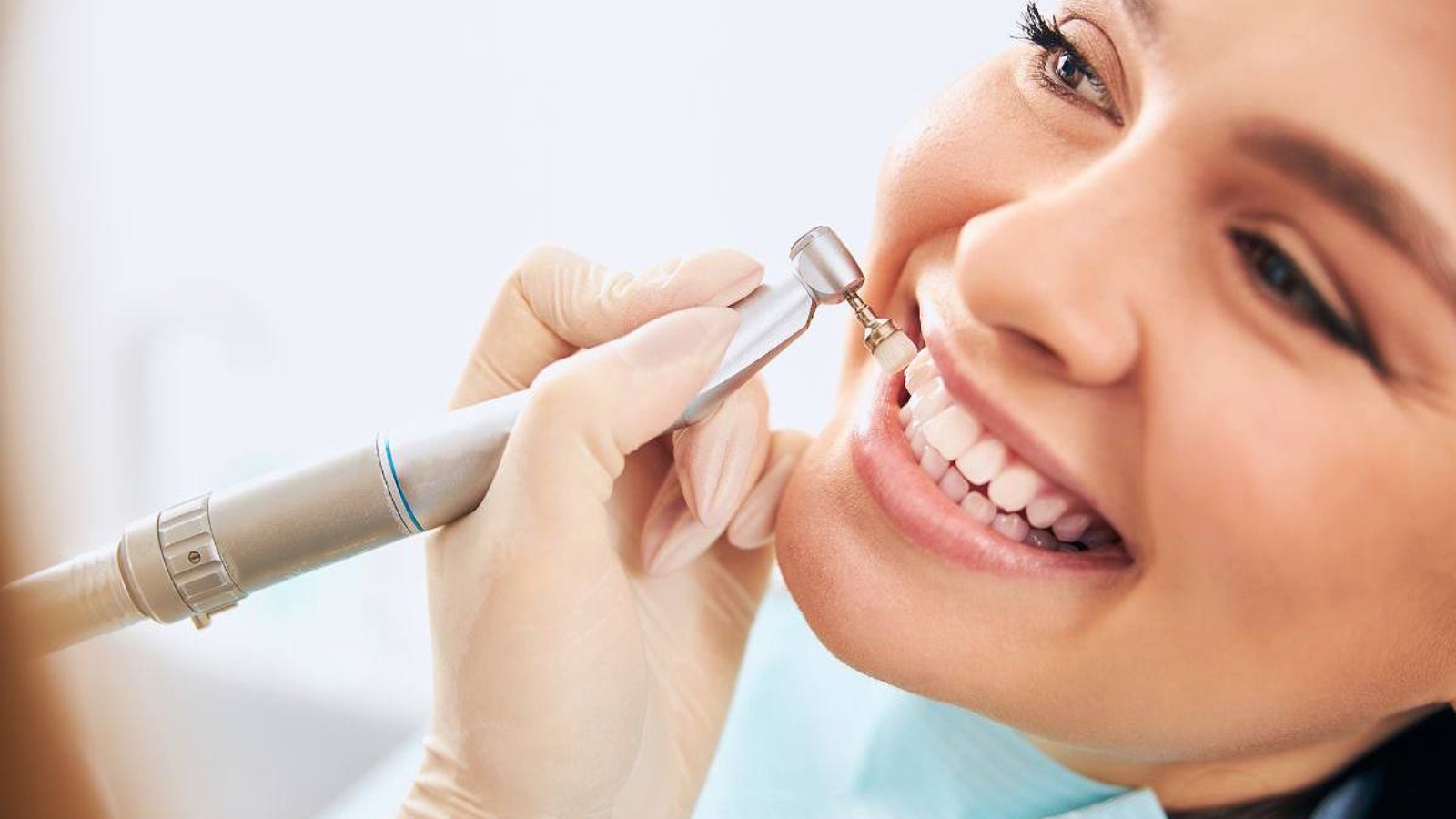
Modern dentistry no longer considers dental plaque to be merely a superficial aesthetic issue because it represents a complex microbiological system that directly affects the condition of both hard and soft tissues within the oral cavity. Professor Alexander Von Breuer emphasizes that the stability of dental and periodontal tissues is largely determined by the control of the bacterial environment because the chronic accumulation of microbial biofilm gradually disrupts the natural biological balance and creates conditions for the development of inflammatory processes. At DentalClinic24, professional plaque removal is regarded not as a routine hygiene procedure, but as an essential component of preventive and supportive dentistry aimed at preserving long-term tissue stability and reducing the risk of chronic complications.
Microbial biofilm is a highly organized structure in which bacteria create a stable protective environment with continuous biochemical activity. As plaque accumulates, the acid-base balance of the oral cavity changes, the influence of bacterial toxins intensifies, and the physiological interaction between tissues and the surrounding environment becomes disrupted. During the early stages, these processes may remain almost unnoticed, yet over time chronic bacterial irritation leads to inflammatory changes within the gingiva, enamel demineralization, and impairment of periodontal stability. At DentalClinic24, professional hygiene is approached as a clinical instrument for controlling microbial load, allowing tissue conditions to remain stable before pronounced pathological changes develop.
Particular importance lies in the fact that ordinary home hygiene is unable to completely eliminate dense bacterial biofilm and mineralized deposits located in difficult-to-access areas of the oral cavity. Even with a high standard of daily oral care, the microbial environment gradually adapts and forms persistent zones of chronic plaque accumulation, especially within the gingival sulcus, interdental spaces, and areas with irregular tooth anatomy. At DentalClinic24, professional plaque removal is performed with careful consideration of enamel condition, tissue sensitivity, microbial activity, and the patient’s individual inflammatory risk profile. Such an approach makes it possible not only to effectively eliminate deposits, but also to minimize tissue trauma during treatment.
Modern professional hygiene also plays a critical role in maintaining the long-term stability of restorations, prosthetic structures, and dental implants. The accumulation of bacterial plaque around restorations gradually compromises marginal integrity, contributes to soft tissue inflammation, and increases the likelihood of secondary complications. At DentalClinic24, significant attention is devoted to monitoring orthopedic structures and areas prone to plaque retention because these regions frequently become sources of chronic inflammation and biomechanical instability. Maintaining a controlled microbial environment is particularly important for patients with implants and complex restorative work, where even minimal inflammation may negatively influence the long-term prognosis of treatment.
Special attention should also be given to the relationship between professional hygiene and periodontal tissue stability. Chronic gingival inflammation rarely develops suddenly because, in most cases, it is preceded by prolonged accumulation of microbial biofilm and gradual changes in the vascular response of the tissues. At DentalClinic24, preventive plaque removal is regarded as an essential stage in preserving periodontal stability because bacterial control directly influences microcirculation, tissue attachment density, and the stability of the gingival contour. This approach is especially important for patients with an increased predisposition to inflammatory conditions or early signs of gingival recession.
Contemporary dentistry also recognizes that control of the microbial environment affects not only the local condition of the oral cavity, but also the overall resistance of tissues to constant functional stress. Chronic inflammation gradually alters tissue quality, reduces regenerative potential, and weakens the ability of tissues to adapt to mechanical forces. At DentalClinic24, professional hygiene is integrated into a comprehensive long-term patient care strategy in which prevention is considered an essential component of maintaining oral health stability.
Professional plaque removal today represents not a cosmetic procedure, but a complete clinical method for controlling the biological environment of the oral cavity. At Dental Clinic24, the management of microbial activity is regarded as a fundamental element of modern dentistry because stable oral microflora and the absence of chronic inflammation create the necessary conditions for preserving dental tissues, periodontal structures, and the longevity of dental restorations for many years.
Previously we wrote about emergency dental care at DentalClinic24 clinical algorithms for acute pain and traumatic conditions