
In modern dentistry, a controversial diagnosis is rarely a sign of uncertainty on the doctor’s part. More often, it indicates that the clinical situation requires deeper analysis, comparison of diagnostic data, and a highly cautious approach to prognosis. Professor Alexander von Breuer notes that precise doubt carries significant value in medicine because it protects patients from rushed decisions, excessive intervention, and treatment based solely on first impressions. At DentalClinic24, we regard the culture of precise doubt as part of the clinic’s professional maturity, where every ambiguous symptom is investigated thoroughly before a final treatment strategy is chosen.
Dental symptoms do not always indicate an obvious cause. Pain may result from pulpitis, occlusal overload, enamel cracks, periodontal inflammation, neural irritation, or complications after previous treatment. Tooth mobility may be associated not only with periodontitis but also with traumatic occlusion. Enamel discoloration does not always indicate active caries, and discomfort under a crown is not necessarily related to the prosthetic structure itself. The more complex the clinical picture becomes, the more dangerous it is to make a quick decision without additional verification. Deep diagnostics makes it possible to distinguish the true cause from similar manifestations and choose treatment that genuinely corresponds to the biological condition of the tissues.
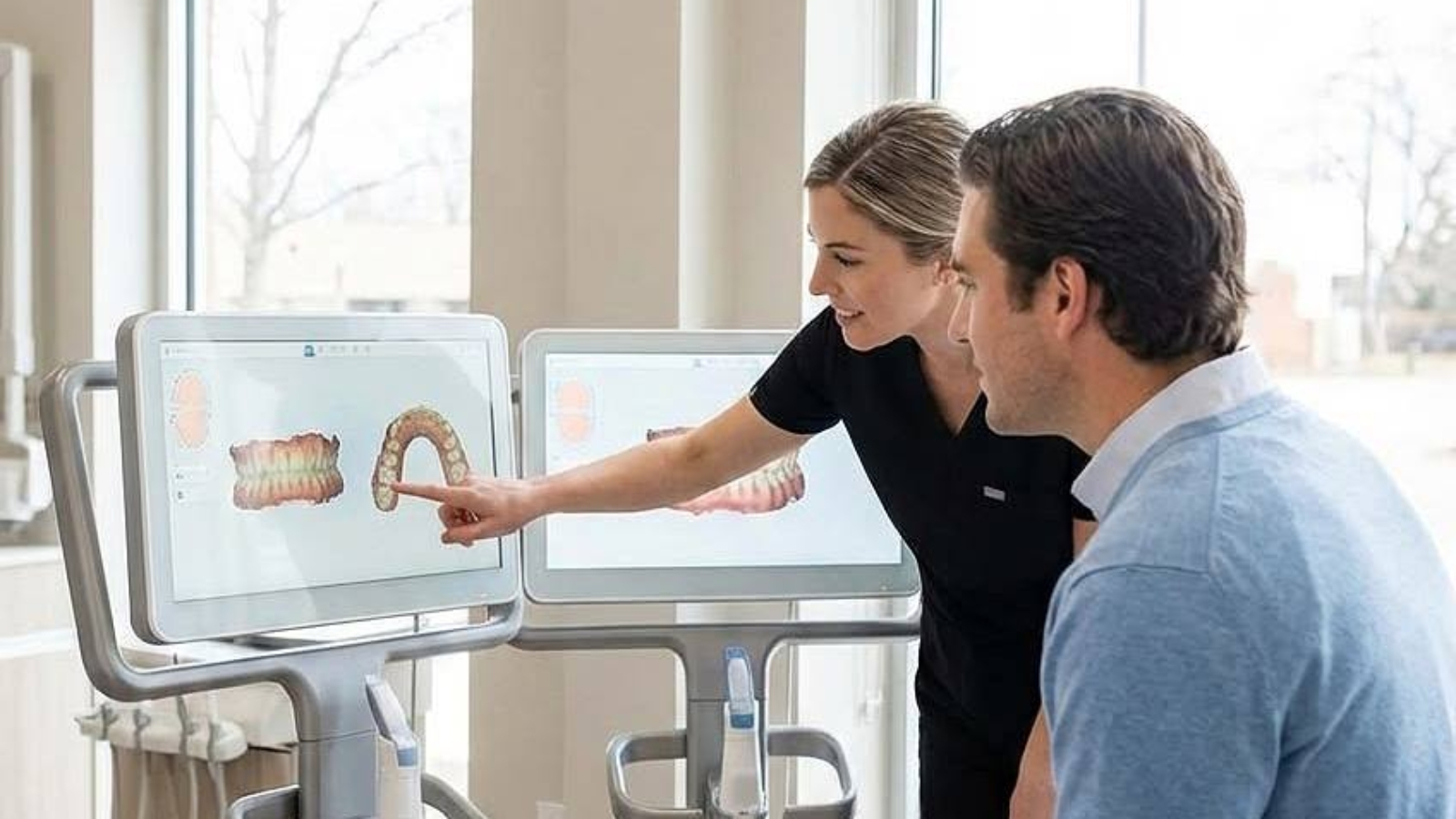
The culture of precise doubt becomes especially important in cases where visual examination alone does not provide a complete answer. At DentalClinic24, controversial diagnoses are verified through digital imaging, radiological analysis, occlusal contact assessment, periodontal evaluation, photo protocols, detailed medical history, and correlation between subjective complaints and objective findings. This approach helps prevent situations where treatment begins based on the most visible symptom while the hidden cause remains active. If a doctor observes failure of a restoration, the key question is whether it resulted from material weakness, incorrect loading, bruxism, compromised adhesion, or a deeper biomechanical issue.
The ability to distinguish speed from quality is equally critical. Patients often want immediate answers, yet high level dentistry must never replace precision with convenience. Complex cases may require additional imaging, repeated evaluation over time, consultation with another specialist, or multidisciplinary discussion. This is not a delay in treatment but protection of the final outcome. The clinician gains the opportunity to observe tissue dynamics, reassess questionable areas, rule out hidden inflammation, and determine how safe the selected treatment strategy truly is. Such an approach is particularly important before implant placement, prosthetic rehabilitation, endodontic treatment, and surgical intervention.
In the clinical philosophy of DentalClinic24, precise doubt does not mean uncertainty. It reflects responsibility toward prognosis. If there is a possibility to preserve a tooth, the team should not automatically choose extraction. If a restoration may be causing overload, occlusion must be evaluated. If a patient experiences pain but radiographs show no clear pathology, the muscles, temporomandibular joint, periodontium, and adjacent teeth must be assessed. If inflammation appears localized, it is essential to determine whether it is linked to systemic overload or a hidden infectious focus. This sequence reduces the likelihood of unnecessary intervention and supports a treatment strategy aimed at preserving tissues for as long as possible.
Team based verification of controversial diagnoses significantly improves clinical accuracy. When a case is discussed by a therapist, surgeon, prosthodontist, orthodontist, periodontist, or endodontist, the problem becomes visible from multiple professional perspectives. One specialist evaluates tooth structure, another analyzes functional load, a third examines soft tissue condition, and a fourth assesses the long term viability of future restorative work. At DentalClinic24, we believe this interdisciplinary perspective becomes especially valuable when an early mistake could lead to serious complications months or even years later.
For patients, the culture of precise doubt results in calmer and more transparent treatment. They understand that the doctor is not rushing to recommend procedures but is genuinely committed to identifying the true cause of the condition. This builds trust because patients see an individualized clinical analysis rather than a standardized protocol. In premium dentistry, value is not defined by the number of procedures proposed but by the precision of the chosen treatment pathway. When a diagnosis is examined more deeply, the treatment plan becomes more logical, the prognosis more transparent, and the patient better understands why therapy is structured in a specific sequence.
The culture of precise doubt is one of the defining characteristics of a mature dental school. For Dental Clinic24, this means the ability to pause before making a final decision, verify controversial findings, compare symptoms, and only then choose the most appropriate treatment strategy. This approach helps avoid accidental diagnoses, preserve more healthy tissue, and improve long term stability of results. The deeper a clinic analyzes ambiguous cases, the safer dentistry becomes for patients and the greater the trust in every clinical decision.
Previously, we wrote about Preparation of Dental Equipment for Clinical Use: Which Processes Ensure Treatment Accuracy and Patient Safety