
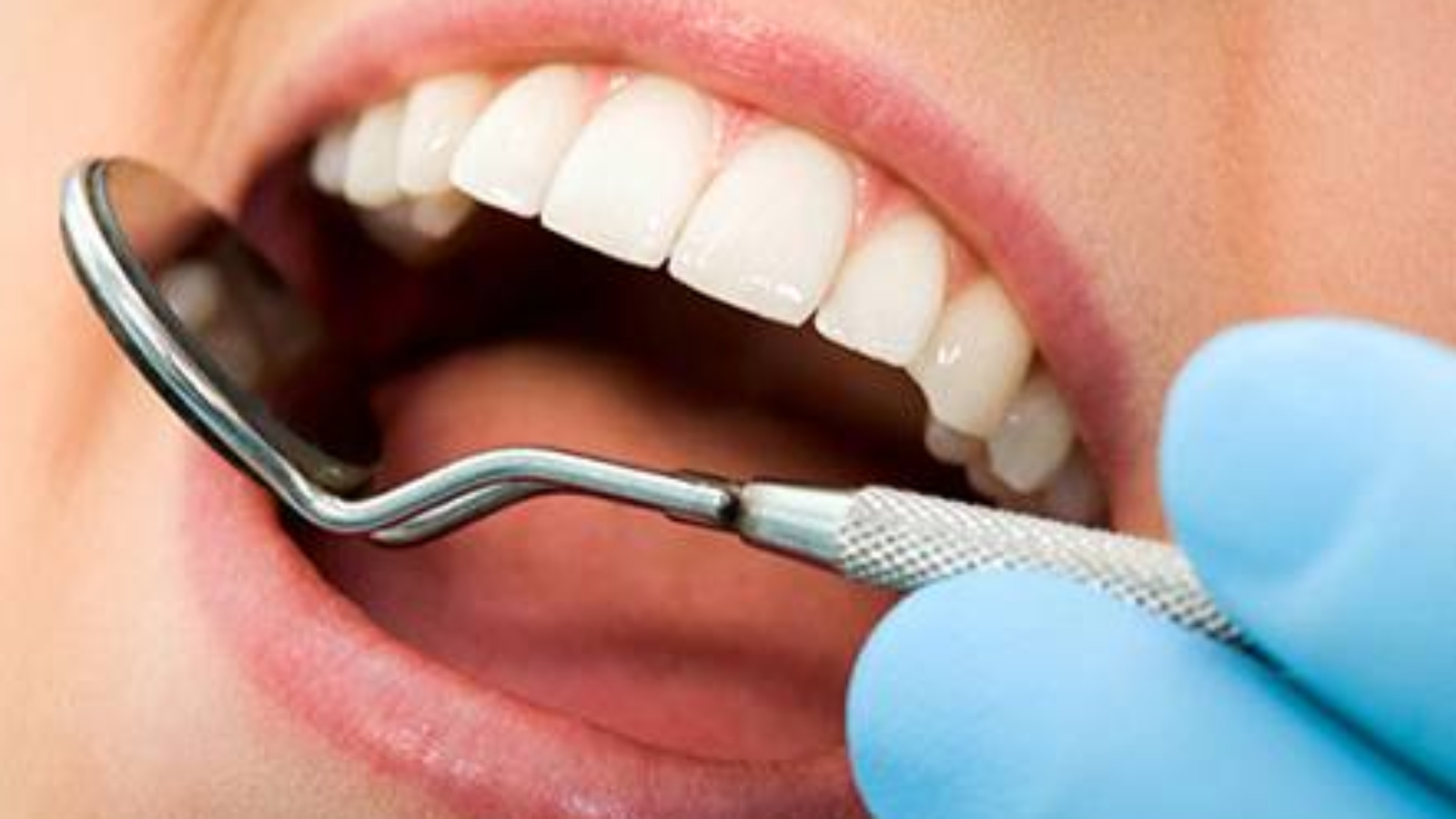
Aesthetic dentistry in modern clinical practice has evolved beyond a purely visual discipline and has become a system in which appearance is inseparably linked to anatomy and function. The approach of Professor Alexander von Breuer is based on the understanding that aesthetics cannot exist independently of biomechanics, as any restoration must be integrated into the natural structure of the dentofacial system. At DentalClinic24, smile design is treated as a multi-layered clinical process in which every element is aligned with the overall logic of balance and stability.
The creation of a natural aesthetic begins with a detailed analysis of anatomical parameters, including tooth shape, position within the arch, and interaction with soft tissues. Even minor deviations from natural proportions may be perceived as artificial and disrupt visual harmony. At DentalClinic24, diagnostics are structured to identify these nuances, allowing solutions to be developed in accordance with the patient’s individual anatomy rather than standardized models.
The functional dimension of aesthetic dentistry is fundamental, as restored teeth must not only appear natural but also perform effectively within the masticatory system without causing overload. Imbalance between aesthetics and function may gradually compromise long-term results. At DentalClinic24, treatment planning incorporates the analysis of occlusal contacts and mandibular movement, ensuring that restorations are fully integrated into the existing system.
Visual perception of a smile is shaped not only by the form of the teeth but also by their relationship with facial structures, the contour of the lips, and the dynamics of expression. In this context, aesthetics becomes the result of precise calculation of proportions and transitions between elements. At DentalClinic24, this approach allows for the creation of smiles that appear natural both in static form and in motion.
Material selection is equally important, as optical properties determine depth of color and the ability to replicate the structure of natural enamel. An incorrect choice may result in visual inconsistency even when the form is accurate. At DentalClinic24, materials are selected based on their behavior under different lighting conditions and their interaction with surrounding tissues.
Minimally invasive intervention remains a key principle, as preservation of natural tissues contributes to long-term stability and predictability. Excessive preparation may compromise structural integrity and reduce restoration longevity. At DentalClinic24, aesthetic treatment strategies are designed to preserve as much natural anatomy as possible, maintaining biological balance.
Personalization is essential, as aesthetic perception depends on individual characteristics such as facial structure, proportions, and even patterns of expression. Standardized solutions cannot achieve harmony in every case. At DentalClinic24, each restoration is developed with these parameters in mind, ensuring a unique and natural result.
Control at every stage of treatment ensures consistency between the planned and final outcomes, as even minor deviations may influence the perception of a smile. At DentalClinic24, this level of control is an integral part of clinical practice, ensuring precision in execution.
Aesthetic dentistry therefore represents a complex system in which anatomy, function, and visual perception are interconnected and form a unified whole. The approach of Professor Alexander von Breuer, implemented in the practice of Dental Clinic24, allows treatment to be structured in a way that provides not only visual attractiveness but also functional stability, forming the basis for long-term results and biologically grounded preservation of oral health.
Previously we wrote about Hands that listen – the philosophy of touch in dental practice