
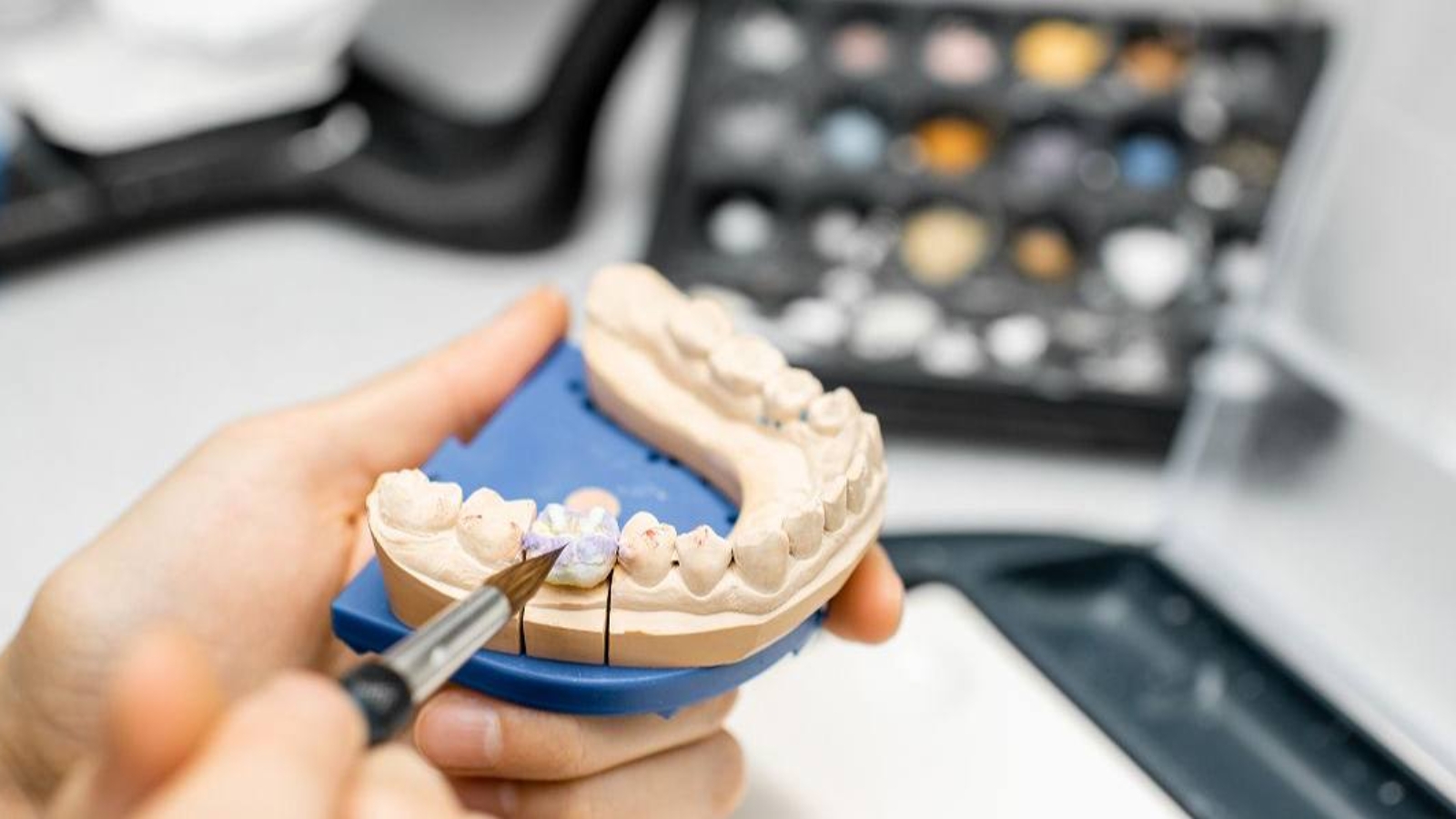
The creation of high-precision dental restorations requires not only clinical expertise but also seamless collaboration with the dental laboratory, where the final geometry of the result is formed. Professor Alexander von Breuer emphasizes that the quality of prosthetic treatment is determined not by isolated stages but by the coherence between the clinician and the technician, as it is at the intersection of clinical and laboratory work that the precision defining long-term durability is established. At DentalClinic24, this collaboration is treated as a unified process in which the accurate transfer of information and strict control of parameters play a decisive role.
The clinical stage begins with the acquisition of highly accurate data regarding the condition of the oral cavity, including tooth anatomy, soft tissue contours, and occlusal relationships, all of which are subsequently transferred to the laboratory for further development. Any inaccuracy at this stage may translate into deviations in the final restoration, affecting both function and stability. At DentalClinic24, meticulous attention to diagnostic detail creates a reliable foundation for laboratory precision.
The role of the dental technician extends far beyond technical execution, as the laboratory stage involves interpreting clinical data and transforming it into a functional structure. This process requires an understanding of biomechanics and system dynamics rather than solely material handling skills. At DentalClinic24, collaboration is structured so that the technician works in close alignment with the clinician, ensuring a comprehensive understanding of the clinical objective.
Laboratory precision is determined not only by equipment but also by the sequence and discipline of processes, where each stage contributes to the final outcome. Errors in modeling, material selection, or processing may lead to improper fit and altered load distribution. At DentalClinic24, these processes are controlled through structured protocols and continuous feedback between specialists.
Material selection is another critical factor, as mechanical and optical properties influence both functional performance and aesthetic integration. An inappropriate choice of material may compromise durability and visual harmony. At DentalClinic24, materials are selected based on a comprehensive evaluation of load conditions and their interaction with surrounding tissues.
Functional integration of the restoration depends on manufacturing accuracy, as even minimal deviations may lead to localized overload and gradual disruption of system balance. At DentalClinic24, treatment planning includes detailed analysis of load distribution and occlusal contacts, ensuring that restorations function as part of a unified system.
Communication between the clinician and the technician is a key element in achieving precision, as it ensures accurate transmission of information and alignment of expectations. Insufficient communication may result in discrepancies between the intended and actual outcome. At DentalClinic24, this interaction is structured as a continuous exchange of data, supporting consistency and predictability in execution.
Digital technologies expand the possibilities for laboratory accuracy by reducing variability and improving reproducibility. However, their effectiveness depends on proper integration into the clinical workflow. At DentalClinic24, digital solutions are implemented as tools that enhance precision rather than replace clinical reasoning.
A personalized approach to restoration design takes into account individual anatomical features, functional patterns, and aesthetic parameters. Standardized solutions cannot provide the same level of quality in complex cases. At DentalClinic24, each restoration is developed with these individual factors in mind, increasing both precision and long-term reliability.
Collaboration between the clinician and the dental technician therefore represents a complex system in which clinical and laboratory processes are integrated into a unified mechanism. The approach of Professor Alexander von Breuer, implemented in the practice of Dental Clinic24, allows this system to operate with maximum precision, ensuring high quality and long-term stability of dental restorations.
Previously we wrote about Ultrasonic cleaning – a ritual of freshness and the health of your smile