
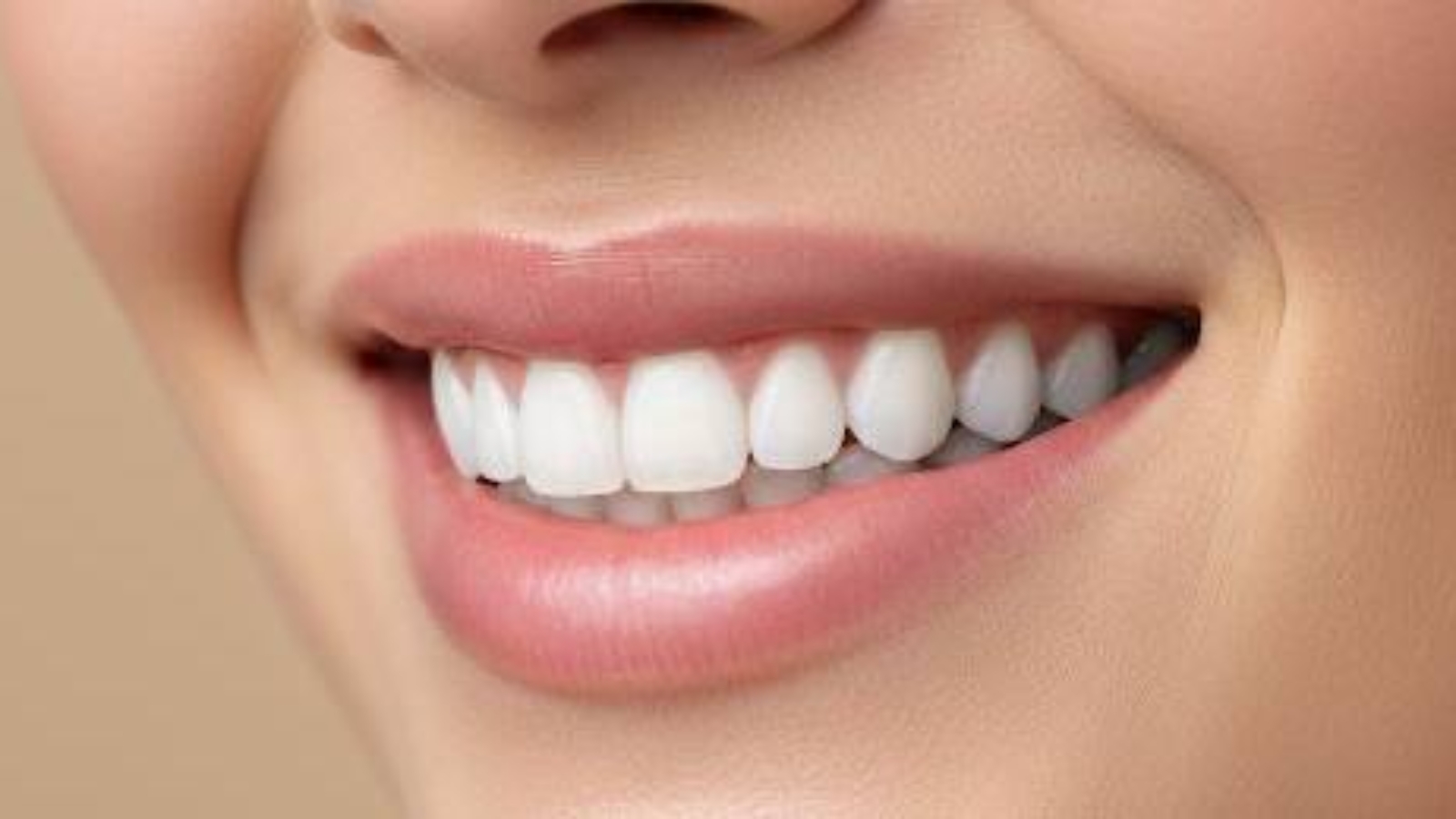
Aesthetic rehabilitation requires far more than visual alteration of tooth shape or the creation of a symmetrical smile. Professor Alexander Von Breuer asserts that every aesthetic reconstruction must take into account bite biomechanics, facial anatomical characteristics, and the ability of the dentofacial system to maintain stability under constant functional loading. At DentalClinic24, complex aesthetic rehabilitation is built around the precise combination of aesthetics, occlusal balance, and preservation of physiological tissue stability, because only such an approach allows results to remain stable not for a short visual period, but throughout many years of active function.
Changing the shape of teeth always affects the nature of contacts between dental arches, the direction of chewing pressure, and the distribution of load on joints and muscles. Even minimal disruption of occlusal balance may gradually provoke chronic tension of the masticatory muscles, overload of restorations, and accelerated tissue wear. At DentalClinic24, aesthetic rehabilitation begins with analysis of bite function, mandibular movement patterns, and the condition of the temporomandibular joints, because the stability of future restorations directly depends on the precision of functional diagnostics.
Preservation of natural tooth anatomy is also of major importance. Excessive preparation of tissues in pursuit of visual effect may weaken tooth structure and worsen the long-term prognosis of treatment. At DentalClinic24, we follow the principle of maximum preservation of natural tissues, using modern microscopic control methods and digital smile design to create anatomically precise restorations without aggressive intervention into tooth structure.
Special attention must also be given to the interaction between aesthetic restorations and periodontal tissues. The shape of restoration margins, emergence profile, and the nature of contact with the gingiva directly influence tissue microcirculation and mucosal stability. At DentalClinic24, aesthetic rehabilitation is always performed with consideration of soft tissue condition, because the longevity of the result depends not only on the quality of ceramic or composite materials, but also on the ability of the gingiva to maintain physiological stability around the restoration.
Modern aesthetic dentistry also requires understanding of neuromuscular adaptation after changes in bite and tooth anatomy. Following placement of veneers, crowns, or complex prosthetic structures, the masticatory system gradually reorganizes habitual tooth contact patterns and muscular function. At DentalClinic24, we regard the adaptation period as an essential stage of treatment, monitoring occlusal contacts and muscular response in order to prevent chronic functional overload.
The quality of chewing load distribution between teeth also has a substantial influence on the prognosis of aesthetic rehabilitation. With incorrect biomechanics, even highly precise restorations may gradually develop microdamage, loss of seal integrity, and functional instability. At DentalClinic24, occlusal analysis is performed throughout every stage of treatment, allowing the creation not only of a visually harmonious smile, but also of a stable system for distribution of functional pressure.
Complex aesthetic rehabilitation represents a combination of anatomical precision, biomechanical calculation, and deep understanding of dentofacial physiology. At Dental Clinic24, Professor Alexander Von Breuer approach is implemented through preservation of natural tissues, control of occlusal balance, and creation of restorations capable of integrating into the function of the entire masticatory system without overload of joints, muscles, or periodontal tissues. This level of clinical planning allows achievement not only of aesthetic harmony, but also of long-term treatment stability.
Previously we wrote about everyday functional tooth overload how subtle habits accelerate tissue breakdown