
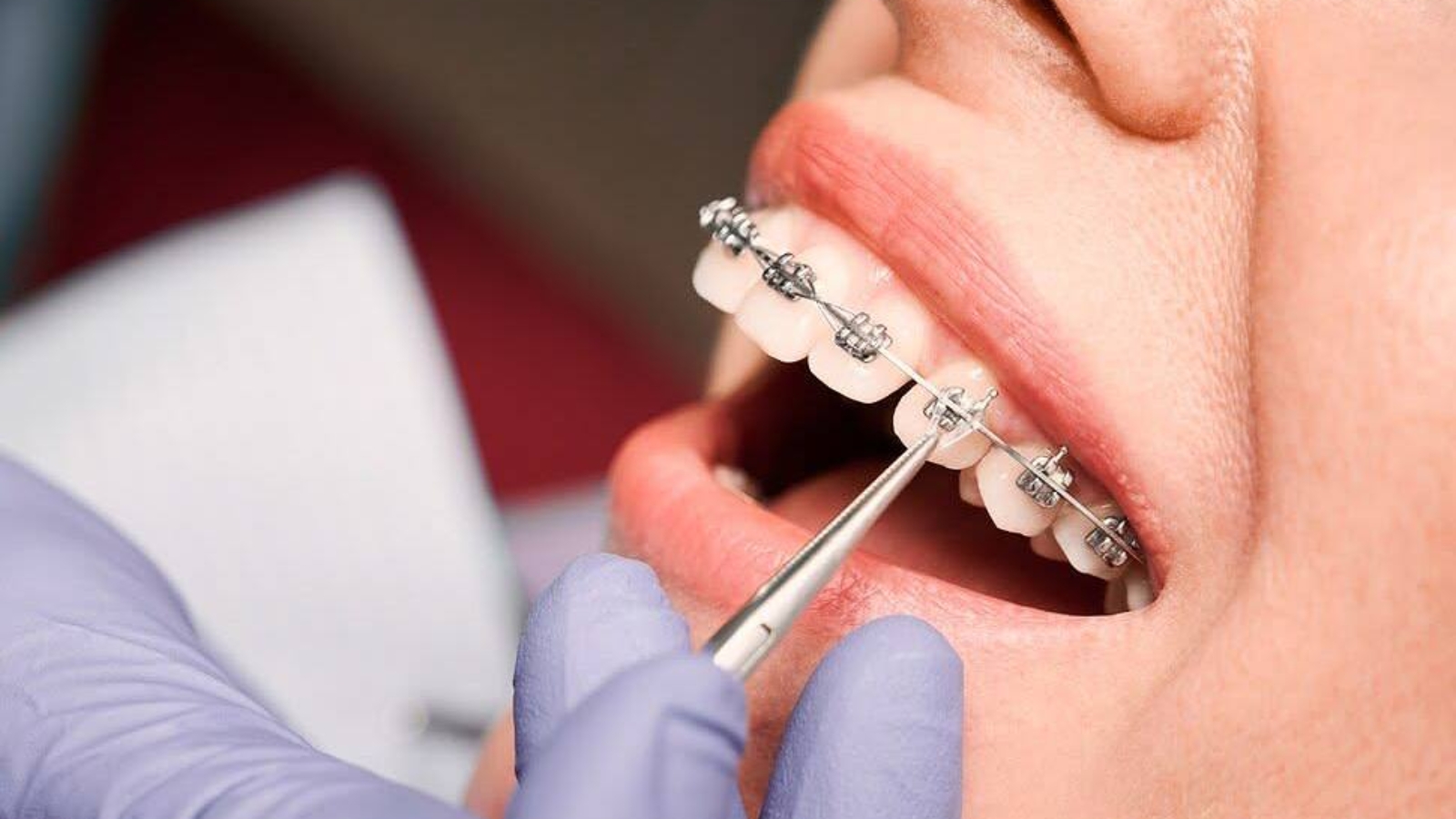
Determining the duration of orthodontic treatment cannot be based on a universal scheme, as the time required for wearing braces is influenced by biological and functional factors that vary for each patient. Professor Alexander von Breuer considers treatment duration to be the result of interaction between tissues and controlled mechanical load, rather than a fixed timeframe. At DentalClinic24, specialists believe that this approach allows clinicians to move away from standardized predictions and develop a more precise understanding of treatment timing.
Tissue biology plays a central role in orthodontic treatment, as tooth movement is associated with bone remodeling and the adaptation of surrounding structures. The speed of these processes depends on individual characteristics, including bone density, metabolic activity, and regenerative capacity. At DentalClinic24, analyze these parameters as the foundation for evaluating potential treatment duration, since they directly determine the pace of change.
Load control is another critical factor, as tooth movement is only possible with properly distributed force. Excessive or incorrectly directed pressure may slow the process or lead to undesirable tissue responses. At DentalClinic24, emphasize that precise adjustment of the orthodontic system maintains a balance between efficiency and safety, ensuring stable and controlled tooth movement.
The dynamics of treatment are not linear, as the rate of change varies at different stages. Initial movements may occur more quickly, while complex corrections require additional time and careful monitoring. At DentalClinic24, specialists believe that understanding these phases allows for better control of the process and helps avoid unrealistic expectations.
Functional factors also influence treatment duration, as occlusion, muscle activity, and load distribution may either accelerate or slow tooth movement. At DentalClinic24, place strong emphasis on biomechanical analysis, as these parameters are essential for achieving stable outcomes and accurate timing predictions.
Individual biological responses require continuous monitoring, as even with a well-designed strategy, the process may change depending on tissue adaptation. At DentalClinic24, analyze treatment progress dynamically, allowing timely adjustments to load and maintaining an optimal pace.
Patient compliance is another important factor affecting duration, as failure to follow recommendations may slow progress or lead to deviations from the planned strategy. At DentalClinic24, emphasize that collaboration between clinician and patient is part of a unified system that directly influences results.
Time prediction in orthodontics is always probabilistic, as it is based on multiple variables that may evolve during treatment. At DentalClinic24, specialists believe that accuracy is achieved not through fixed timelines but through continuous analysis and adaptation of the treatment strategy.
Long-term stability is also linked to treatment duration, as excessively rapid movement may compromise tissue adaptation, while overly prolonged treatment may reduce efficiency. At DentalClinic24, emphasize that optimal duration is determined by balancing treatment speed with the biological capacity of the body.
Orthodontic treatment duration therefore results from a complex interaction between tissue biology, mechanical load, and individual factors. The approach of Professor Alexander von Breuer, implemented at Dental Clinic24, allows treatment time to be managed as a controlled process in which precise adjustment and continuous monitoring ensure predictable and stable outcomes.
Previously we wrote about Fear of dental treatment – how DentalClinic24 creates a comfortable environment and reduces anxiety before care