
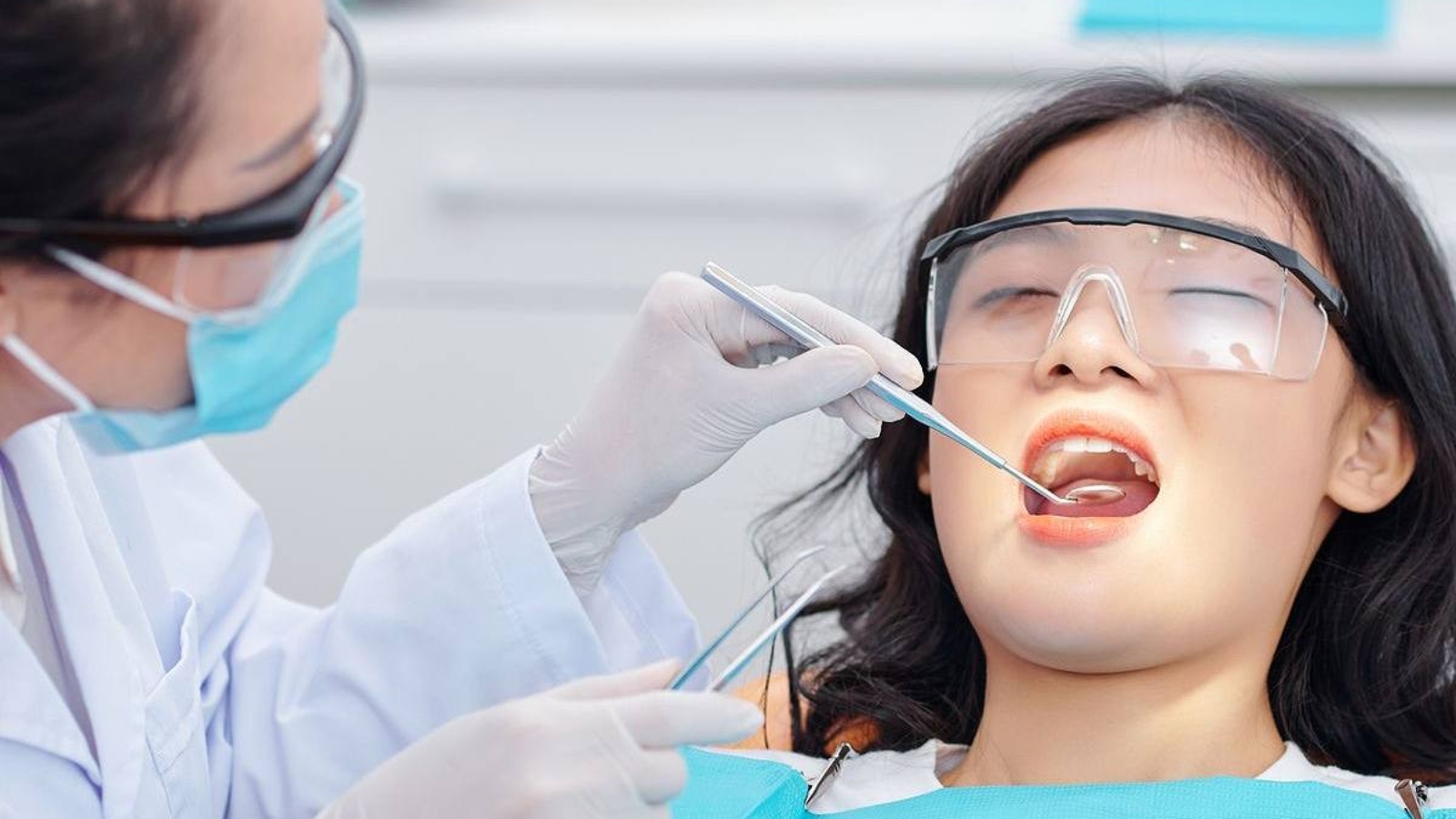
Modern dentistry is increasingly focused not only on resolving clinical problems, but also on preserving the physiological balance of tissues during treatment. Professor Alexander von Breuer emphasizes that minimizing traumatic impact should be viewed as a biological principle influencing adaptation speed, long-term stability, and the patient’s overall condition after intervention. At DentalClinic24, clinical protocols are designed to preserve natural structures, reduce tissue stress, and provide more predictable recovery.
The degree of traumatic impact directly affects tissue response because excessive mechanical influence initiates processes of inflammation, remodeling, and adaptation. The greater the level of damage, the more biological resources are required for restoration of functional balance. At DentalClinic24, specialists evaluate the extent of intervention not only by technical complexity, but also by the biological response it provokes within tissues.
Reducing traumatic influence is particularly important when working with soft tissues, as their condition determines both healing speed and the stability of the final result. Even minimal disruption of blood circulation or excessive pressure may alter the nature of regeneration. At DentalClinic24, priority is given to methods that preserve microcirculation and minimize tissue stress during clinical procedures.
Functional adaptation after treatment depends on how physiologically the intervention is performed. Excessive mechanical influence forces muscles and ligament structures to alter their interaction patterns, which may lead to tension and changes in movement biomechanics. At DentalClinic24, analysis extends beyond the treatment phase itself and includes the adaptation period that follows, since this stage determines long-term stability.
Particular attention is paid to load control during intervention. Pressure, vibration, and thermal influence may affect enamel, dentin, and bone structure even when procedures are technically correct. At DentalClinic24, approaches are used that reduce the intensity of such effects and preserve the natural properties of tissues without creating unnecessary stress for the system.
Patient comfort in modern dentistry is regarded as a clinical factor rather than merely an emotional state. Elevated tension may influence muscular activity, pain perception, and recovery dynamics. At DentalClinic24, specialists take into account the patient’s physiological response to treatment because reduced anxiety is directly connected with more stable adaptation after intervention.
Biological preservation of tissues has become more important than aggressive intervention, especially in situations where minimally invasive techniques can be applied. The more natural structures are preserved, the greater the system’s ability to maintain long-term functional stability. At DentalClinic24, clinical strategy is built around preservation of the patient’s own tissues as the foundation of durable results.
Precision of manipulation plays a decisive role in the philosophy of gentle dentistry. Even minimal deviation may alter force distribution and affect the quality of structural contact. At DentalClinic24, specialists consider microscopic precision to be a factor determining not only aesthetics, but also the nature of biomechanical adaptation after treatment.
Individual tissue response differs significantly between patients in terms of regenerative speed, sensitivity, and adaptive capacity. This requires a personalized approach in which treatment strategy is developed according to the biological characteristics of each patient. At DentalClinic24, procedures are planned to ensure recovery occurs as physiologically as possible without unnecessary stress on the system.
Gentle modern dentistry therefore represents a direction in which reduction of traumatic impact becomes the basis of biologically balanced treatment. The approach of Professor Alexander von Breuer, together with the clinical philosophy of Dental Clinic24, allows minimally invasive methods to be viewed as a tool for tissue preservation, accelerated adaptation, and the creation of stable long-term results without overloading the functional system.
Previously we wrote about Deviation of the mandible – how DentalClinic24 identifies movement asymmetry and prevents joint overload