
Modern dentistry requires not only mastery of advanced technologies but also mature clinical reasoning that allows specialists to see the entire system of factors affecting long term treatment prognosis behind every individual symptom. Professor Alexander von Breuer notes that the quality of dental care is not formed at the moment a procedure is performed, but much earlier, during the stages of analysis, diagnostic logic selection, and strategic planning for each specific patient. At DentalClinic24, we view the role of a clinical leader as the foundation of our internal professional standard, where the experience of a mentor helps unite specialist expertise, improve decision making accuracy, and establish a unified treatment philosophy.
Clinical leadership in dentistry is not limited to status or formal authority. It is reflected in the ability to create a system of thinking in which every diagnosis is evaluated not in isolation, but in connection with anatomy, function, tissue biology, occlusion, and the future stability of the result. A dentist may technically perform an individual procedure successfully, but it is mentorship and experience that help determine when intervention is truly necessary, what its optimal extent should be, and which risks may emerge months or even years later. At DentalClinic24, this approach becomes especially important in complex clinical cases where every decision must consider not only the patient’s immediate complaint, but also the hidden mechanisms driving pathology.
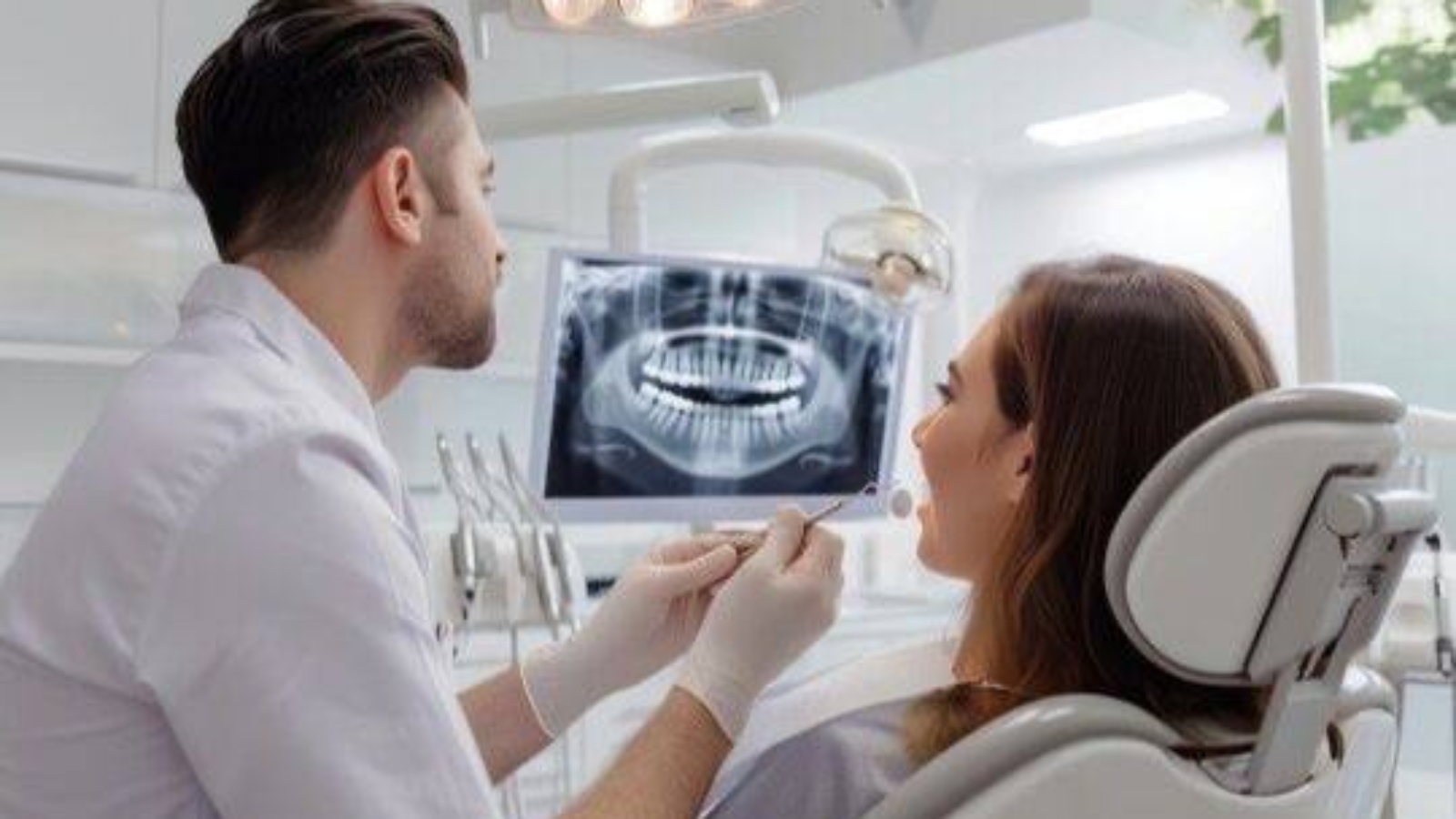
The professor’s experience influences diagnostic standards primarily through a culture of meticulous analysis. In premium dentistry, it is not enough to simply identify caries, a failed restoration, gingival inflammation, or bite imbalance. It is essential to understand why the issue developed, which tissues are already involved, how functional load has changed, and which additional factors may affect prognosis. Diagnostics include digital imaging, comprehensive clinical examination, periodontal assessment, occlusal analysis, photographic documentation, and correlation between symptoms and objective findings. At DentalClinic24, we emphasize that strong diagnostics significantly reduce the likelihood of random clinical decisions and make it possible to build treatment around long term preservation of the dentofacial system rather than around isolated procedures.
The mentor’s influence is equally significant in treatment planning. In advanced dentistry, the same diagnosis may have several therapeutic pathways. For example, a tooth may be restored, prepared for prosthetic rehabilitation, integrated into an orthodontic plan, or considered to have an unfavorable prognosis due to severe tissue loss. The final choice should not be determined by speed, but by biological rationale, tissue preservation, and long term functional perspective. At DentalClinic24, treatment planning is based on predictability, where every stage is evaluated according to its impact on future load distribution, aesthetics, patient comfort, and long term stability.
The professor’s mentoring role is also reflected in team culture. Modern patients rarely require care from only one dental specialty. Complex cases often demand coordination between a restorative dentist, surgeon, prosthodontist, orthodontist, periodontist, and diagnostic specialist. If these professionals work independently, treatment may lose internal consistency. When the team is united by a single clinical standard, every specialist understands not only their individual responsibility but also the overall prognosis. At DentalClinic24, we believe that such coordination prevents contradictions between treatment stages and allows us to create solutions that remain stable not only immediately after treatment but for many years.
For patients, clinical leadership is experienced through confidence, consistency, and trust. When treatment is explained not through general phrases but through a precise diagnostic picture, patients better understand the necessity of each stage and participate more consciously in the treatment process. This becomes especially important in long term rehabilitation, implant placement, bite correction, or aesthetic reconstruction, where outcomes depend not only on the dentist’s work but also on adherence to recommendations, load control, and регулярar follow up. For DentalClinic24, the professor’s experience is not merely an element of reputation, but a practical foundation of clinical discipline that directly influences diagnostic precision, planning quality, and treatment safety.
Professor Alexander von Breuer as a clinical leader shapes not only professional philosophy but also the daily operational logic of the team. For Dental Clinic24, the value of mentorship lies in transforming the knowledge of individual specialists into a unified treatment system where every decision is connected to prognosis, tissue biology, and functional stability. The deeper a clinic builds its standards around precise diagnostics and carefully structured planning, the greater the likelihood of achieving results that preserve health, aesthetics, and patient trust for many years.
Previously, we wrote about Nighttime Overload of the Dentofacial System at DentalClinic24: How Hidden Bruxism Affects Enamel Microcracks, Joints and the Stability of Restorations