
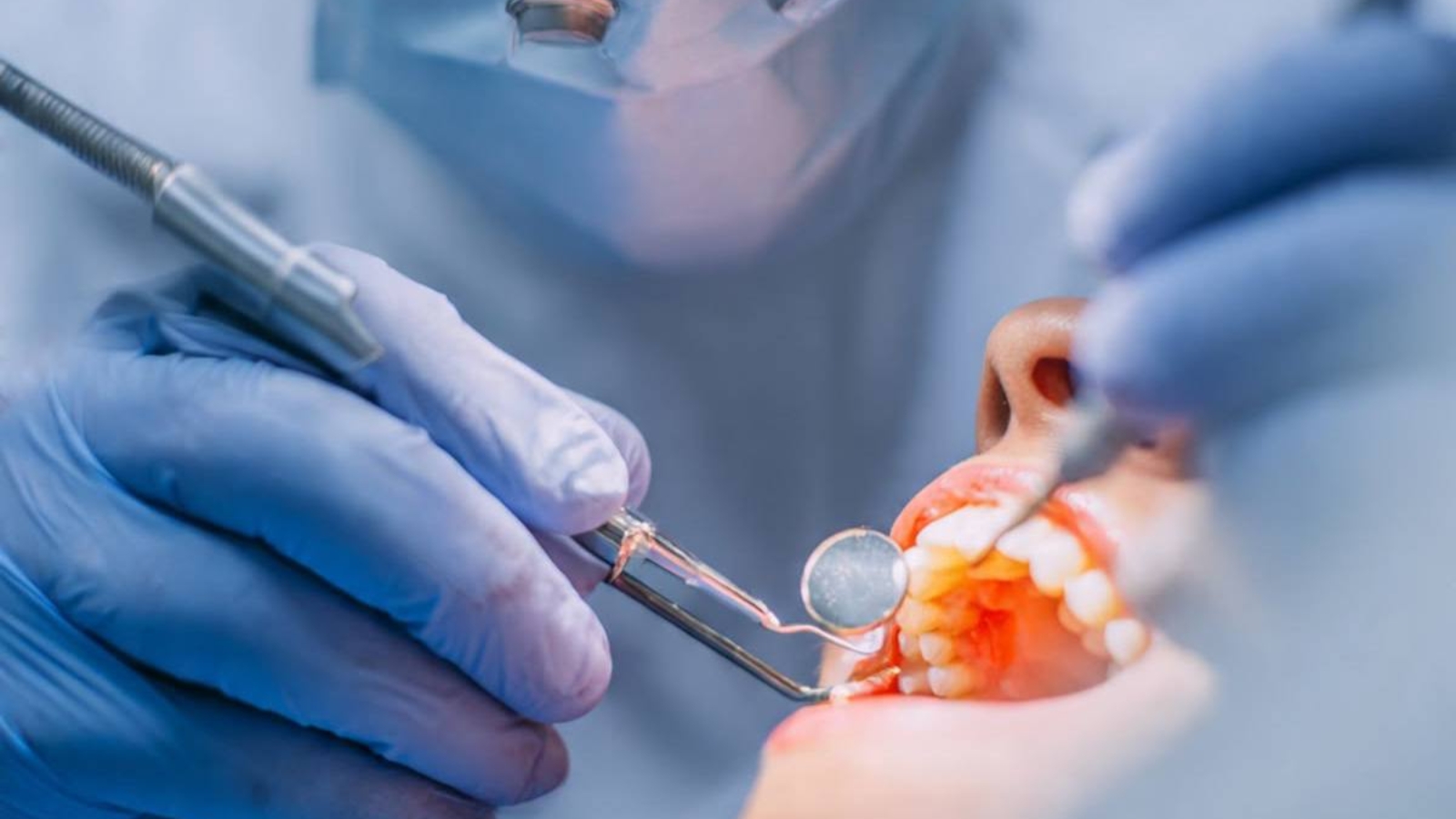
The true quality of dental treatment is not measured on the day a filling, crown, or implant is placed, but years later, when it becomes evident whether every biological, functional, and technical aspect of the procedure was planned correctly. Professor Alexander Von Breuer analyzes such cases as a sequence of clinical decisions, each of which directly influences the long term stability of oral tissues and restorative work. At DentalClinic24, we regularly encounter patients who require correction of treatments that initially appeared satisfactory but gradually resulted in tooth destruction, chronic inflammation, occlusal imbalance, or overload of adjacent structures. In the vast majority of cases, the underlying problem is not a single major mistake but rather a combination of overlooked diagnostic findings, compromised tissue preparation, and the absence of structured follow up after treatment has been completed.
One of the most frequent reasons for retreatment remains the management of dental caries without a precise assessment of lesion depth and the quality of the remaining dentin. When infected tissue is not completely removed, secondary caries may slowly develop beneath the restoration. The opposite mistake occurs when excessive preparation unnecessarily sacrifices healthy tooth structure in an attempt to improve material retention. As a result, the tooth gradually loses its natural mechanical strength, and thin cusps become increasingly susceptible to fracture under functional loading. Years later, patients often return not because a filling has failed, but because the tooth has suffered cusp fracture, pulpal inflammation, or requires comprehensive prosthetic rehabilitation. The longevity of every restoration depends not only on the restorative material itself but also on proper isolation, marginal adaptation, cavity design, and balanced distribution of occlusal forces.
At DentalClinic24, particular attention is given to existing restorations that appear intact externally but already demonstrate signs of microleakage, marginal discoloration, or inadequate contact with adjacent teeth. Poorly formed proximal contacts promote chronic food impaction, traumatize the interdental papilla, and create favorable conditions for localized periodontal inflammation. When a restoration is excessively high, the affected tooth experiences continuous overload during every chewing cycle. Patients may not notice significant discomfort for years, while the periodontal ligament and surrounding bone gradually adapt to abnormal functional stress. Eventually, symptoms such as sensitivity during biting, restoration fractures, tooth mobility, or root damage begin to appear. Successful correction requires restoring not only the anatomy of the individual tooth but also its harmonious participation within the entire functional occlusal system.
A substantial proportion of complex retreatment cases involve previous endodontic therapy. Technical deficiencies during root canal treatment may remain clinically silent for many years. Missed canals, incomplete removal of infected tissue, inadequate obturation length, or insufficient coronal sealing create favorable conditions for persistent chronic periapical infection. Patients often experience no pain, and pathological changes are discovered only during routine radiographic examinations. Particularly demanding cases involve calcified canals, severe root curvature, separated instruments, or complex anatomical variations. Retreatment requires high magnification, microscopic precision, advanced imaging, and a thorough understanding of how much healthy tooth structure can still be preserved while eliminating the source of infection.
Another common category of long term complications develops during restoration of endodontically treated teeth. At DentalClinic24, we frequently encounter teeth that were restored with large direct fillings despite extensive structural loss and unfavorable functional loading. Such teeth become highly susceptible to longitudinal fractures and catastrophic structural failure, particularly when functional cusps are unsupported or insufficient circumferential dentin remains. In other situations, crowns are fabricated without comprehensive assessment of root integrity, endodontic quality, or periodontal support. Although the restoration may initially conceal existing deficiencies, it does not eliminate them. Appropriate treatment decisions must always consider the volume of remaining dentin, the possibility of establishing a reliable ferrule effect, periodontal stability, and the long term prognosis of the root itself.
Many prosthetic complications develop gradually rather than immediately after treatment. An inaccurately designed crown margin may extend excessively beneath the gingiva, disturb soft tissue attachment, and promote chronic inflammation. Overcontoured restorations interfere with effective oral hygiene, while inadequate anatomical form alters food deflection and changes the physiological distribution of chewing forces. Fixed bridge restorations may fail because of inappropriate abutment selection, insufficient hygiene access beneath pontics, or designs that cannot withstand actual functional loading. Patients frequently interpret bleeding or discomfort as an individual response, whereas the true cause lies in the geometry of the prosthetic restoration. Successful correction requires more than simply replacing the prosthesis. Healthy relationships between restoration margins, gingival tissues, interdental spaces, and functional occlusion must also be reestablished.
Within implant dentistry, the most significant long term complications are associated with improper implant positioning. When implants are placed without careful prosthetic planning, the definitive restoration may become excessively inclined, displaced, or positioned too close to adjacent teeth. Even when osseointegration is successful, such positioning complicates prosthetic rehabilitation, oral hygiene, esthetic outcomes, and increases the risk of peri implant inflammation. At DentalClinic24, implant positioning is always evaluated in relation to the future restoration, surrounding bone architecture, soft tissue volume, and anticipated direction of functional loading. Correcting previous implant placement errors often requires soft tissue reconstruction, prosthetic redesign, bone augmentation procedures, or, in selected situations, complete implant removal and replacement.
Occlusal disturbances rarely become immediately apparent following treatment, yet their consequences may accumulate gradually over many years. When crowns, restorations, or veneers create premature contacts, the mandible adapts by seeking an alternative closing position. The masticatory muscles compensate continuously, individual teeth receive excessive functional stress, and the temporomandibular joints function outside their physiological pathways. Over time, this may result in accelerated tooth wear, ceramic fractures, muscle fatigue, restricted mandibular movement, or discomfort within the joint region. The underlying error extends far beyond the height of an individual restoration. It reflects the absence of comprehensive functional analysis before extensive rehabilitation. The greater the number of teeth involved, the more essential it becomes to establish a stable mandibular position and verify it using provisional restorations before definitive treatment begins.
Equally important is the absence of systematic long term maintenance after treatment has been completed. Even technically excellent dentistry may gradually lose stability if patients neglect professional hygiene appointments, fail to control periodontal inflammation, ignore signs of bruxism, or discontinue the use of recommended occlusal splints. At DentalClinic24, regular follow up examinations are considered an integral component of treatment rather than an optional service. During these visits, clinicians evaluate restoration margins, implant stability, bone levels, occlusal contacts, and the effectiveness of home oral hygiene. Detecting small deviations at an early stage usually allows conservative correction, whereas many years without professional monitoring often result in the need for comprehensive oral rehabilitation.
Correcting previous treatment mistakes is considerably more demanding than performing primary therapy because clinicians must work within altered anatomy, limited healthy tissues, and the consequences of earlier interventions. Before retreatment begins, we identify the true source of failure, evaluate the prognosis of every remaining tooth, and integrate findings from cone beam computed tomography, intraoral scanning, photographic documentation, and functional analysis. For Dental Clinic24, it is essential not to repeat the original treatment philosophy in a technically updated form. Successful retreatment begins with understanding why the previous approach failed rather than simply replacing a filling, crown, or implant. This comprehensive strategy restores not only the appearance of the dentition but also the biological stability of oral tissues, periodontal health, and balanced functional loading for many years to come.
Previously, we wrote about Apical Surgery in Endodontics: When Root Apex Resection Becomes Necessary to Eliminate a Chronic Infection Focus and Preserve the Tooth