
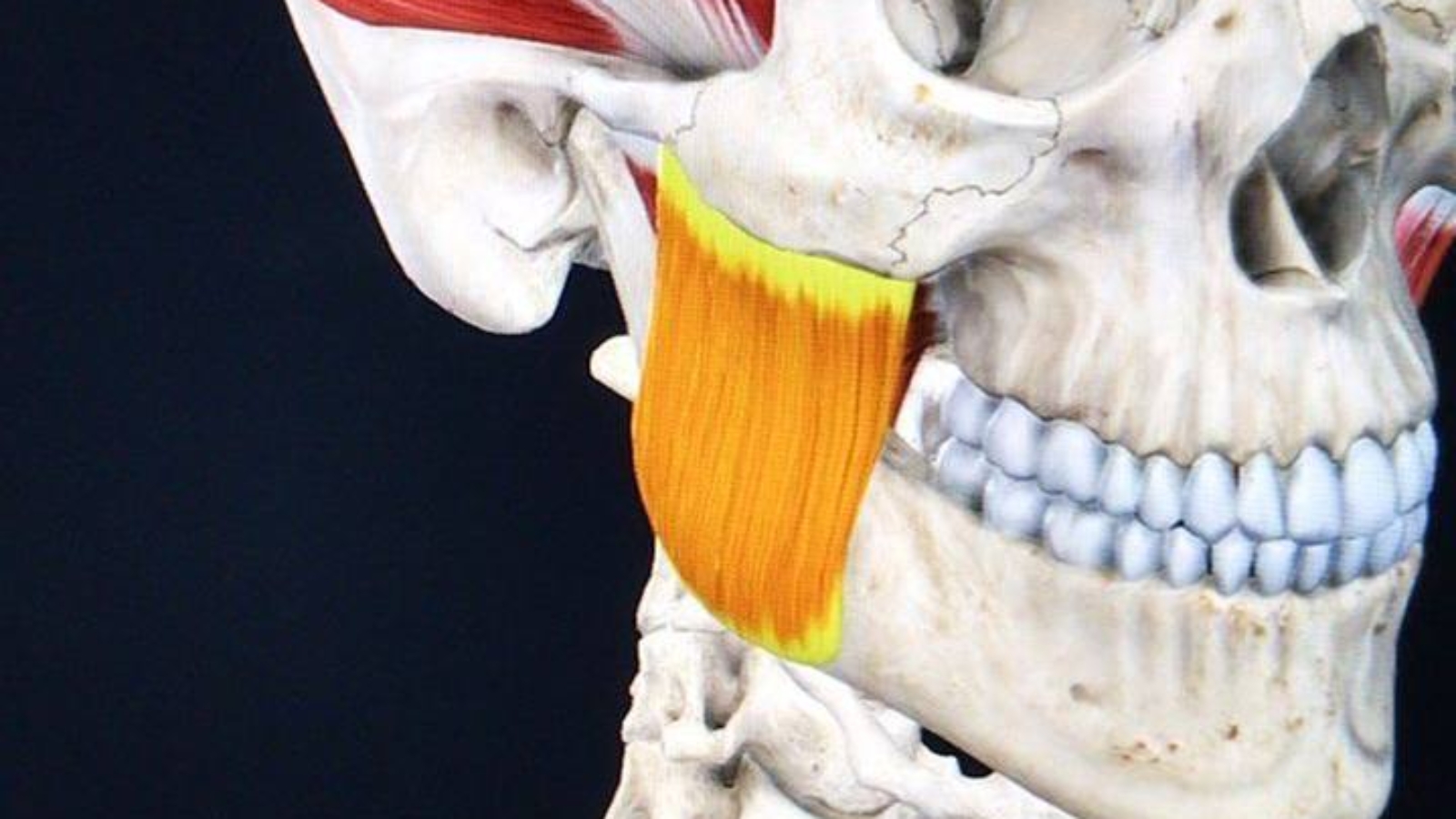
Gnathology in modern dentistry is regarded as a fundamental field that defines the relationships between tooth position, muscular function, and the condition of the temporomandibular joint. Professor Alexander von Breuer notes that ignoring functional parameters of this system often leads to situations where technically correct treatment produces unstable results. In the clinical practice of DentalClinic24, gnathological analysis is integrated into diagnostics and treatment planning, allowing clinicians to develop strategies based on the dynamics of the entire dentofacial system rather than its isolated components.
The function of the temporomandibular joint is determined by a complex interaction of anatomical structures, where the position of the joint head, the condition of the disc, and the activity of the masticatory muscles form a unified movement mechanism. Any disruption within this system may manifest itself not only as discomfort but also as changes in occlusion, increased tooth wear, and uneven load distribution. At DentalClinic24, such changes are interpreted as indicators requiring deeper clinical evaluation.
Treatment precision is directly dependent on understanding the initial functional position of the system, as any intervention must align with natural mandibular movements. A mismatch between anatomical form and function may gradually compromise the outcome. At DentalClinic24, diagnostics are focused on identifying these discrepancies at an early stage, allowing treatment strategies to be adjusted before intervention begins.
Gnathological analysis includes evaluation of mandibular movement patterns, occlusal contacts, and load distribution across the dentition. These parameters determine how stable the system will be after treatment. At DentalClinic24, working with this data enables the development of more predictable and stable clinical solutions while reducing the risk of complications.
The relationship between joint function and the condition of dental arches is particularly significant, as changes in one area inevitably affect the other. Occlusal disturbances may alter mandibular movement trajectories, which in turn influence joint loading. At DentalClinic24, this interdependence is carefully considered in treatment planning, enhancing overall precision.
Modern diagnostic technologies expand the possibilities of analysis by allowing detailed recording of mandibular movements and functional parameters. However, data alone is insufficient without clinical interpretation. At DentalClinic24, gnathological assessment combines technological capabilities with clinical expertise, ensuring well-grounded decision making.
Treatment planning that incorporates gnathological factors allows not only the correction of existing issues but also the prevention of their recurrence. Interventions that ignore functional aspects may create hidden stress within the system, which may become evident over time. At DentalClinic24, the approach is aimed at eliminating such risks from the outset.
A personalized approach is essential, as joint function and muscular activity vary significantly between patients. Standardized solutions cannot account for this variability. At DentalClinic24, treatment strategies are tailored to individual functional characteristics, increasing their effectiveness and reliability.
Long-term stability of treatment outcomes depends on the system’s ability to adapt to changes without functional disruption. Gnathological analysis makes it possible to predict this adaptation and incorporate it into clinical planning. At DentalClinic24, this forms the basis for achieving durable and predictable results.
Gnathology is therefore not a separate discipline but a critical component influencing the precision and predictability of dental treatment. The approach of Professor Alexander von Breuer, implemented in the practice of Dental Clinic24, integrates temporomandibular joint function analysis into the clinical process, ensuring a higher level of quality and long-term stability of results.
Previously we wrote about Little patients, great trust – how we treat children without fear