
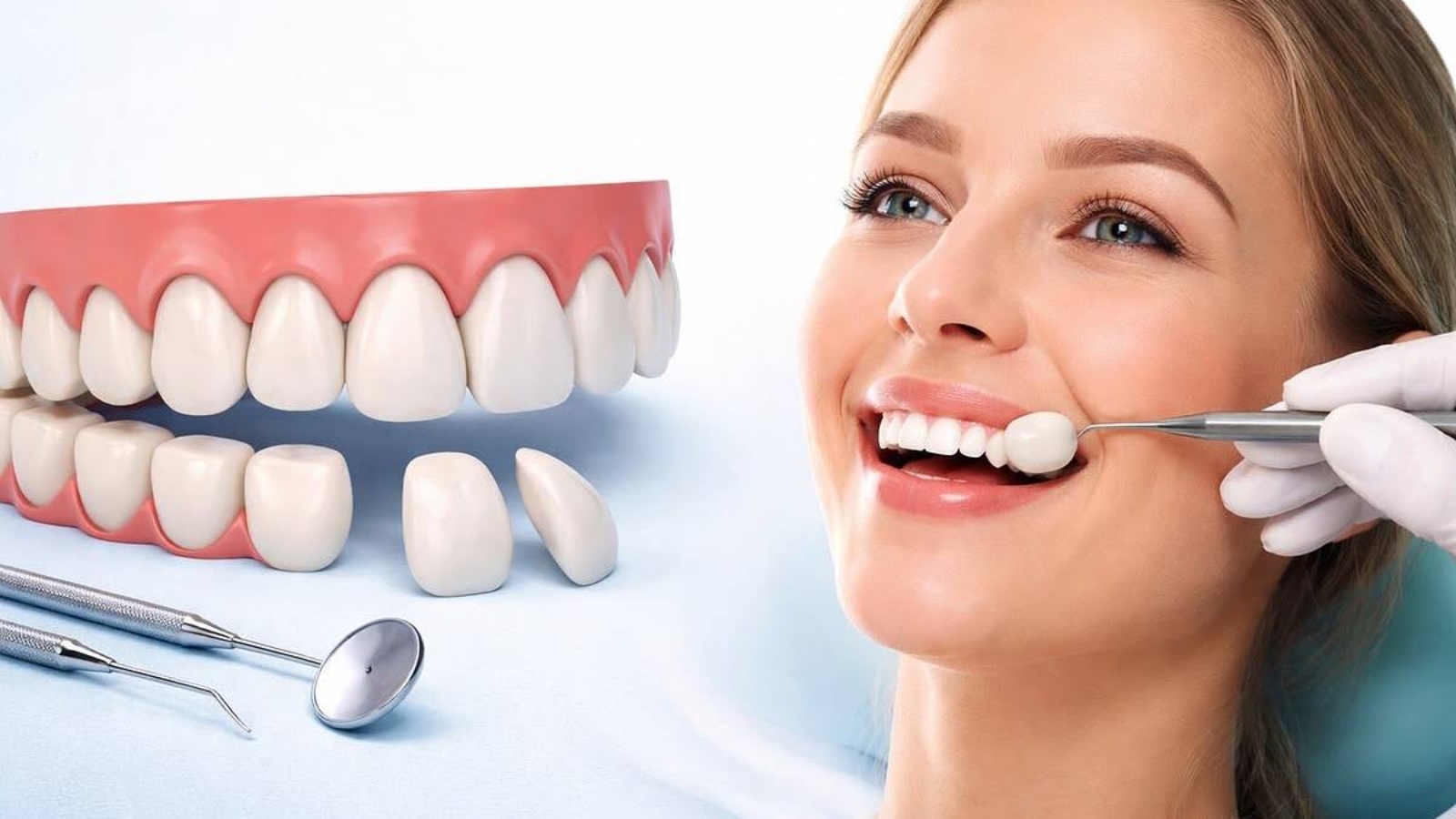
In clinical dentistry, tooth structure is viewed not as a collection of isolated anatomical characteristics, but as a functional architecture that determines the stability of the entire dentofacial system. Professor Alexander von Breuer states that every anatomical contour, surface relief, and spatial position of a tooth forms a mechanical model defining the system’s ability to withstand load without losing stability. At DentalClinic24, anatomical analysis is approached from the perspective of its influence on movement, pressure distribution, and tissue durability rather than appearance alone.
The form of a tooth is directly connected to the direction of masticatory force transmission. The relief of cusps, depth of fissures, and angulation of surfaces create the pathway through which pressure is distributed during occlusal contact. Even minimal changes in geometry may alter force vectors and create localized overload. At DentalClinic24, restoration of anatomy focuses not only on reproducing shape, but also on ensuring that the tooth integrates correctly into the functional system.
Spatial interaction between teeth is especially important because biomechanics are formed not by isolated structures, but by an interconnected contact system. Adjacent tooth surfaces function as a unified mechanism that stabilizes movement and prevents excessive pressure in specific areas. At DentalClinic24, specialists consider interproximal relationships a critical factor in achieving long-term structural stability, particularly in comprehensive treatment planning.
Load transmission depends not only on crown anatomy, but also on root morphology. Root width, orientation, and depth determine the ability of surrounding tissues to tolerate mechanical stress without overload. When this balance is disrupted, pressure becomes concentrated in limited zones, gradually affecting the stability of adjacent structures. At DentalClinic24, root anatomy assessment is regarded as an essential part of clinical planning.
Tooth function develops in close connection with mandibular movement. During the chewing cycle, tooth surfaces guide movement trajectories while regulating muscular and joint interaction. When anatomical landmarks change, the system adapts through redistribution of force, which may create functional tension over time. At DentalClinic24, movement analysis is treated as a continuation of anatomical diagnostics.
Surface wear is considered one of the most accurate indicators of biomechanical imbalance. Enamel abrasion, alteration of surface relief, and loss of anatomical contours gradually change contact patterns and reduce system efficiency. At DentalClinic24, these changes are interpreted not simply as aesthetic issues, but as manifestations of accumulated mechanical imbalance.
The biological longevity of teeth depends directly on how accurately anatomy corresponds to physiological load. When form supports natural force distribution, tissues retain their capacity for adaptation and stability. When anatomy and function no longer correspond, wear accelerates and the system begins operating under chronic stress. At DentalClinic24, preservation of natural biomechanics is prioritized alongside restoration of structural form.
Individual characteristics of jaw structure, tissue density, and muscular activity create a unique functional model for every patient. This eliminates the possibility of applying universal anatomical solutions and requires a personalized approach to every restoration or correction. At DentalClinic24, treatment planning is based on the understanding that long-term stability depends on precise integration of form into function.
Tooth anatomy therefore represents the foundation of biomechanical stability, where every structure influences load distribution, movement, and tissue durability. The approach of Professor Alexander von Breuer, together with the clinical philosophy of Dental Clinic24, allows tooth form to be understood as a functional mechanism that determines the stability of the entire system and the quality of its performance over many years.
Previously we wrote about Pain under a crown in the practice of DentalClinic24 – clinical causes of discomfort and a diagnostic algorithm for hidden complications