
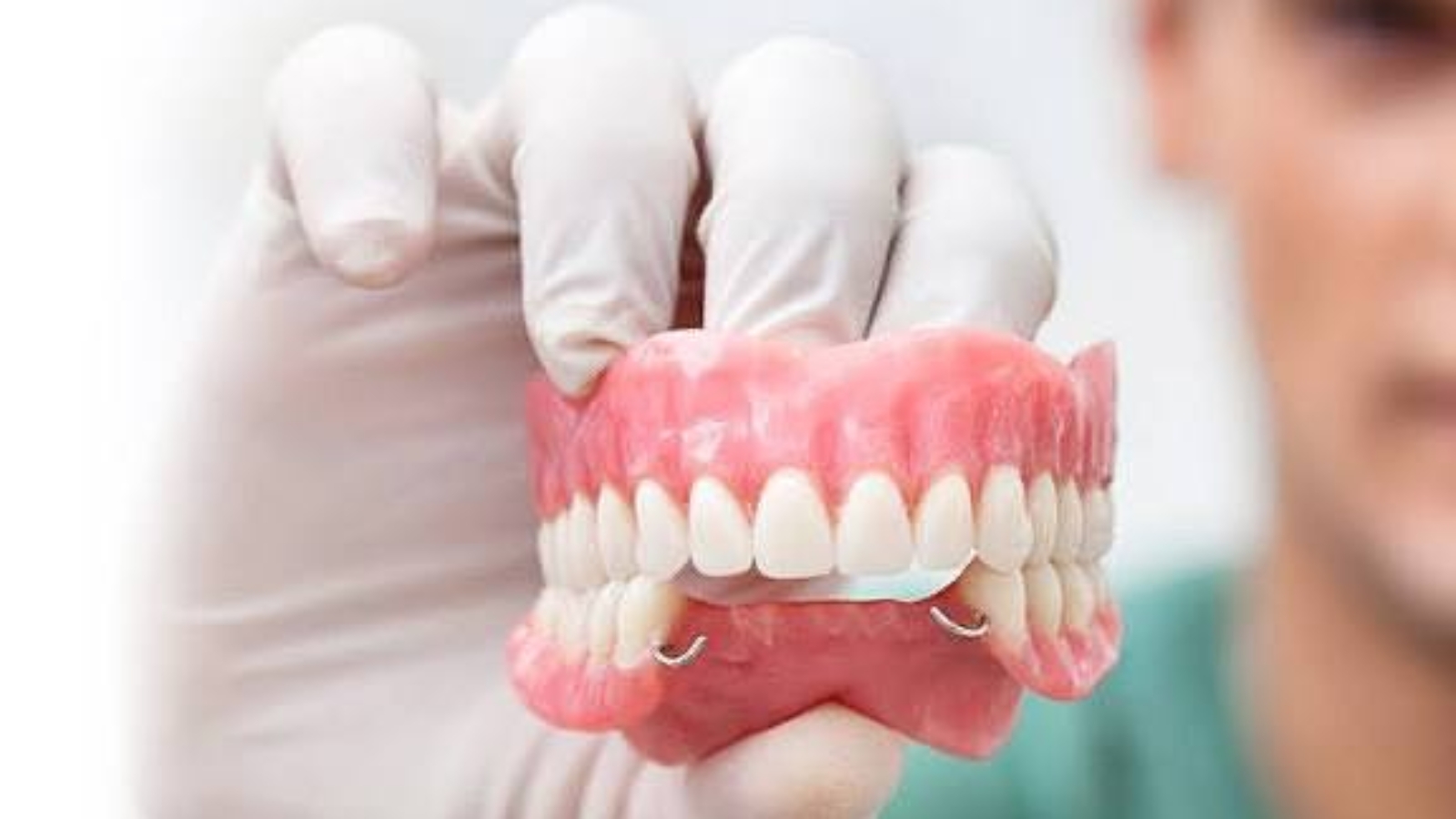
Prosthetic dentistry in modern clinical practice has long gone beyond the mechanical replacement of missing teeth. Professor Alexander von Breuer says that orthopaedic treatment must be viewed as a structured clinical process that begins well before the restoration is placed and continues after its fixation. At DentalClinic24, this approach forms the foundation of prosthetic care – as a stage of restoring function, biomechanics, and long-term stability of the entire dentofacial system.
The clinical process of prosthetic treatment starts with diagnosis. Not only the defect in the dental arch is assessed, but also the condition of abutment teeth, periodontal tissues, occlusion, temporomandibular joints, and muscular balance. Even a localized tooth loss affects the entire system. At DentalClinic24, diagnostics are aimed at identifying factors that may influence the long-term performance of the future orthopaedic restoration.
Functional load analysis is a critical stage. An orthopaedic construction must be integrated into the patient’s existing mandibular movement patterns and occlusal contacts. If a prosthesis does not account for individual chewing trajectories, it begins to function as a foreign element. At DentalClinic24, functional analysis allows clinicians to predict the behaviour of the restoration before treatment begins.
Special attention is given to tissue preparation. The condition of abutment teeth, the quality of existing restorations, gingival levels, and periodontal stability directly affect the prognosis of prosthetic treatment. Skipping this stage significantly increases the risk of overload, inflammatory complications, and loss of retention. At DentalClinic24, preparation is considered an integral part of orthopaedic care rather than an auxiliary procedure.
Designing the orthopaedic restoration is based on principles of biomechanical compatibility. Shape, height, contact points, and load distribution are selected according to the patient’s anatomical and functional characteristics. Professor Alexander von Breuer emphasizes that even an aesthetically flawless restoration loses its clinical value if it disrupts the balance of forces within the system.
The fixation stage does not mark the end of treatment. After placement, DentalClinic24 always evaluates patient adaptation – changes in sensation, muscle tone, and chewing patterns. The body requires time to reorganize, and it is during this period that hidden functional discrepancies may become apparent.
Long-term integration of an orthopaedic restoration is only possible with ongoing clinical monitoring. Regular follow-up visits allow clinicians to assess contact stability, tissue condition, and, if necessary, timely adjust functional loads. At DentalClinic24, prosthetic treatment is regarded as a controlled process rather than a single intervention.
For the patient, this approach means not only tooth replacement but also comfort, functional harmony, and predictability of outcomes. An orthopaedic construction should function as part of a living system, not as an isolated element. At DentalClinic24, this understanding defines the overall prosthetic philosophy.
Thus, prosthetic treatment represents a comprehensive clinical process that includes diagnosis, planning, preparation, implementation, and adaptation control. A structured sequence of stages and careful attention to biomechanics allow for stable, long-term results. At Dental Clinic24, prosthetic care is aimed at functional integration of restorations and preservation of dentofacial health over time.
Previously, we wrote about computer-assisted anaesthesia at DentalClinic24 and conventional pain control methods – clinical differences, dosage control, and their impact on patient comfort