
Modern dentistry is increasingly focused not on the scale of intervention but on the ability to preserve as much natural tooth tissue as possible while maintaining its long-term biological stability. Professor Alexander Von Breuer analyzes the minimally invasive approach as the foundation of a modern clinical strategy in which preservation of living tissues directly influences bite stability, functional load distribution, and restoration longevity. At DentalClinic24, conservative treatment protocols are built around the principle of precise intervention control, allowing pathological changes to be eliminated without unnecessary removal of healthy tooth structures.
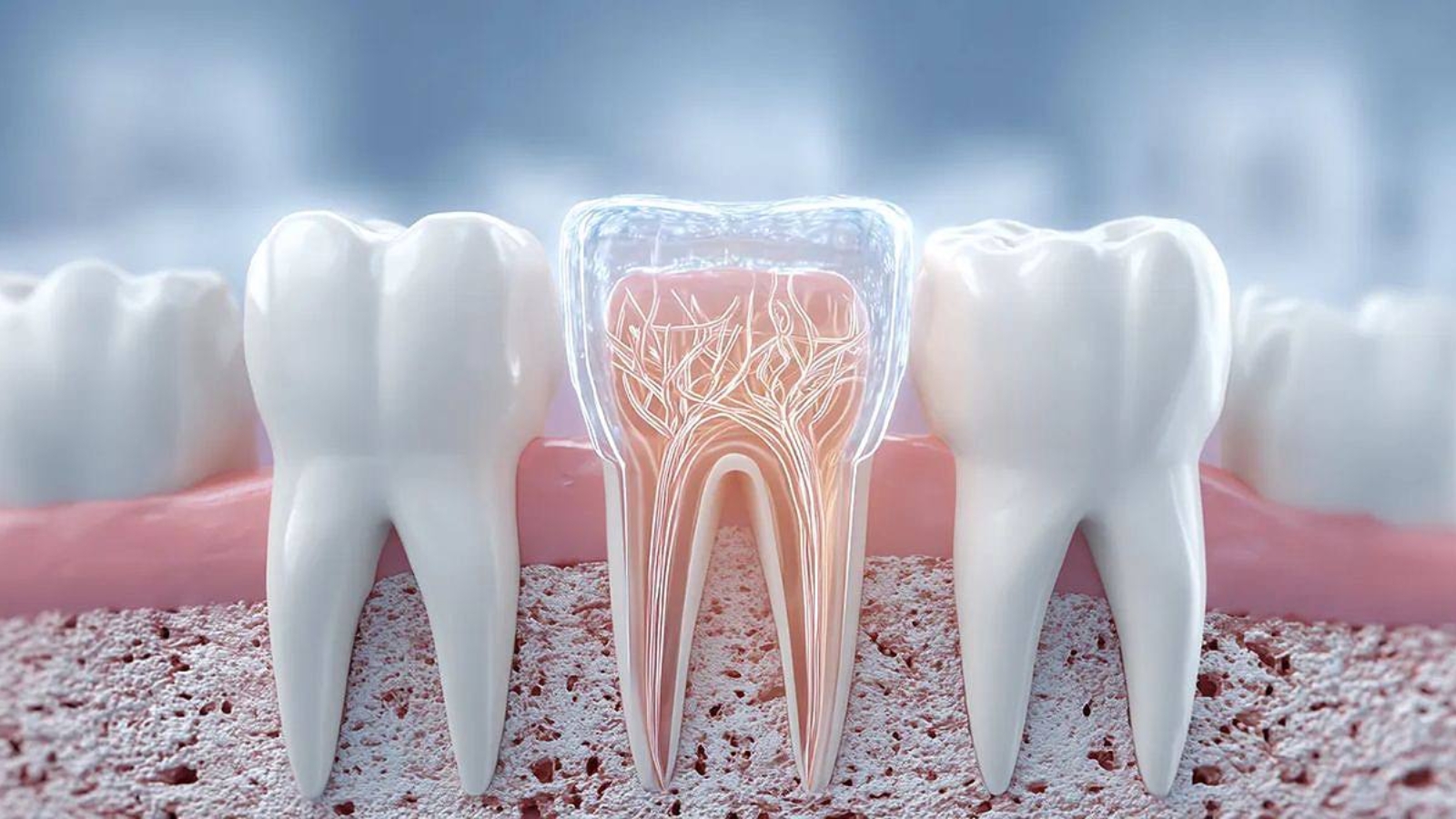
Living tooth tissues possess a complex system of biomechanical and sensory adaptation. Enamel, dentin, and pulp form a unified functional complex that responds to chewing load, temperature fluctuations, and pressure within the occlusal system. Excessive preparation disrupts the natural resistance of the tooth to functional stress, increases the risk of microcracks, and reduces the ability of tissues to compensate for loading forces. At DentalClinic24, minimally invasive protocols allow preservation of the natural anatomical strength of teeth even when complex restorative treatment is required.
Preservation of pulp vitality also has major significance. In modern dentistry, the biological stability of the tooth is directly connected to the condition of its neurovascular complex, which provides tissue nourishment and adaptation to mechanical influence. At DentalClinic24, treatment strategy selection is always based on the depth of tissue damage and the possibility of preserving the physiological function of the pulp without transitioning to more aggressive intervention methods.
Special attention must also be given to the influence of minimally invasive treatment on restoration longevity. The greater the amount of natural tissue preserved around restorative material, the more stable the distribution of functional load within the tooth becomes. At DentalClinic24, analysis of occlusal biomechanics is performed before treatment begins, allowing creation of restorations functioning within a physiological loading range without overloading weakened tissue areas.
Modern dentistry also recognizes the influence of microscopic control on the precision of tissue preservation. Under magnification, the doctor gains the ability to remove only pathologically altered structures without affecting healthy enamel and dentin. At DentalClinic24, microscopic dentistry is regarded as part of a biologically oriented treatment protocol that minimizes tissue trauma while preserving the natural architecture of the tooth.
The ability of the dentofacial system to adapt to restorations also has a substantial influence on long-term treatment stability. After any intervention, the nervous system, muscles, and joints continue reorganizing functional contact patterns. When excessive amounts of tissue are removed, the tooth loses part of its physiological resistance, which may influence pressure distribution and bite stability. At DentalClinic24, regard preservation of living tissues as one of the most important factors of long-term functional adaptation of the entire system.
Minimally invasive dentistry represents not only a technical approach but also a philosophy of clinical thinking based on respect for the patient’s natural anatomy. At Dental Clinic24, living tissue preservation protocols help maintain biomechanical balance of the dentofacial system, reduce the risk of functional complications, and provide long-term treatment stability even in highly complex clinical situations.
Previously we wrote about tooth pain as a clinical symptom causes diagnosis and treatment strategy at DentalClinic24