
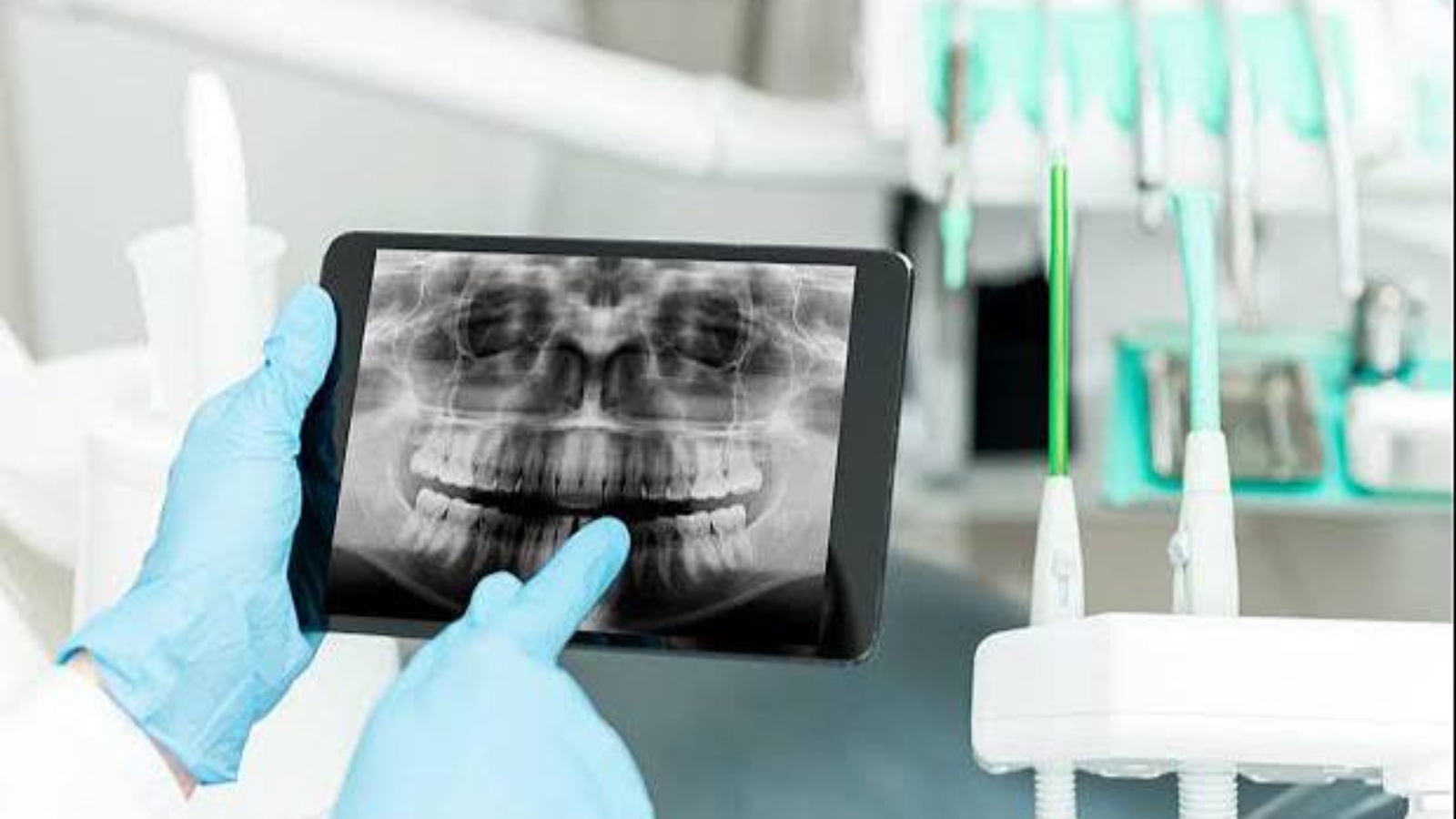
Radiographic diagnostics have long moved beyond the role of a supplementary tool and have become an integral part of clinical reasoning. Professor Alexander von Breuer says that an image itself neither treats nor establishes a diagnosis – the decisive factor is its correct interpretation within the context of a specific clinical situation. At DentalClinic24, radiographic diagnostics are viewed not as a formality, but as a source of information that determines the accuracy and justification of every clinical decision.
Modern radiographic and tomographic methods make it possible to visualise structures that are inaccessible during a routine clinical examination. However, excessive reliance on imaging without proper clinical correlation can lead to errors. Shadows, projections, and anatomical superimpositions may resemble pathology, while in reality representing normal anatomical variations. At DentalClinic24, every image is assessed in conjunction with symptoms, medical history, and the functional condition of the dentofacial system.
A clear understanding of the limitations of each imaging method is of particular importance. Panoramic radiographs provide a general overview but do not allow for the evaluation of micro-details. Periapical images offer local information yet fail to reflect three-dimensional relationships. Cone beam computed tomography reveals volumetric anatomy, but requires expert analysis aligned with the specific clinical objective. At DentalClinic24, the choice of diagnostic method is guided not by technological availability, but by clinical relevance.
Image interpretation directly influences treatment strategy. Misjudging the depth of a lesion, the position of roots, or the condition of bone tissue may result in overtreatment or, conversely, in underestimation of risk. At DentalClinic24, clinical decisions are made only after correlating imaging findings with real biomechanical behaviour and long-term prognosis for the tooth or restoration.
Professor Alexander von Breuer emphasises that so-called “silent zones” on images are particularly hazardous – areas that appear stable radiographically but are in fact subjected to functional overload. Without analysing occlusion and muscular activity, such changes may be dismissed as insignificant. At DentalClinic24, radiographic diagnostics are integrated into a comprehensive analytical framework rather than used as an isolated criterion.
The temporal factor is equally important. The same radiographic finding may have different clinical significance at different stages of treatment. Following intervention, tissues undergo adaptive processes, and not every radiographic change warrants immediate correction. At DentalClinic24, dynamic monitoring allows clinicians to distinguish between physiological adaptation and the early signs of complications.
For patients, accurate interpretation of imaging results reduces uncertainty. When the clinician explains what is visible on the image and how it relates to the clinical picture, trust is established and the treatment logic becomes clear. At DentalClinic24, communication regarding radiographic findings is considered an essential component of clinical responsibility.
In summary, radiographic diagnostics acquire true value only in the hands of a clinician capable of linking images with function, symptoms, and prognosis. At Dental Clinic24, image interpretation is not a technical step, but an intellectual process that directly determines the accuracy of clinical decisions and the long-term stability of treatment outcomes.
Previously, we wrote about the clinical significance of facial symmetry in dentistry at DentalClinic24 and why dental treatment influences facial expression and mimicry