
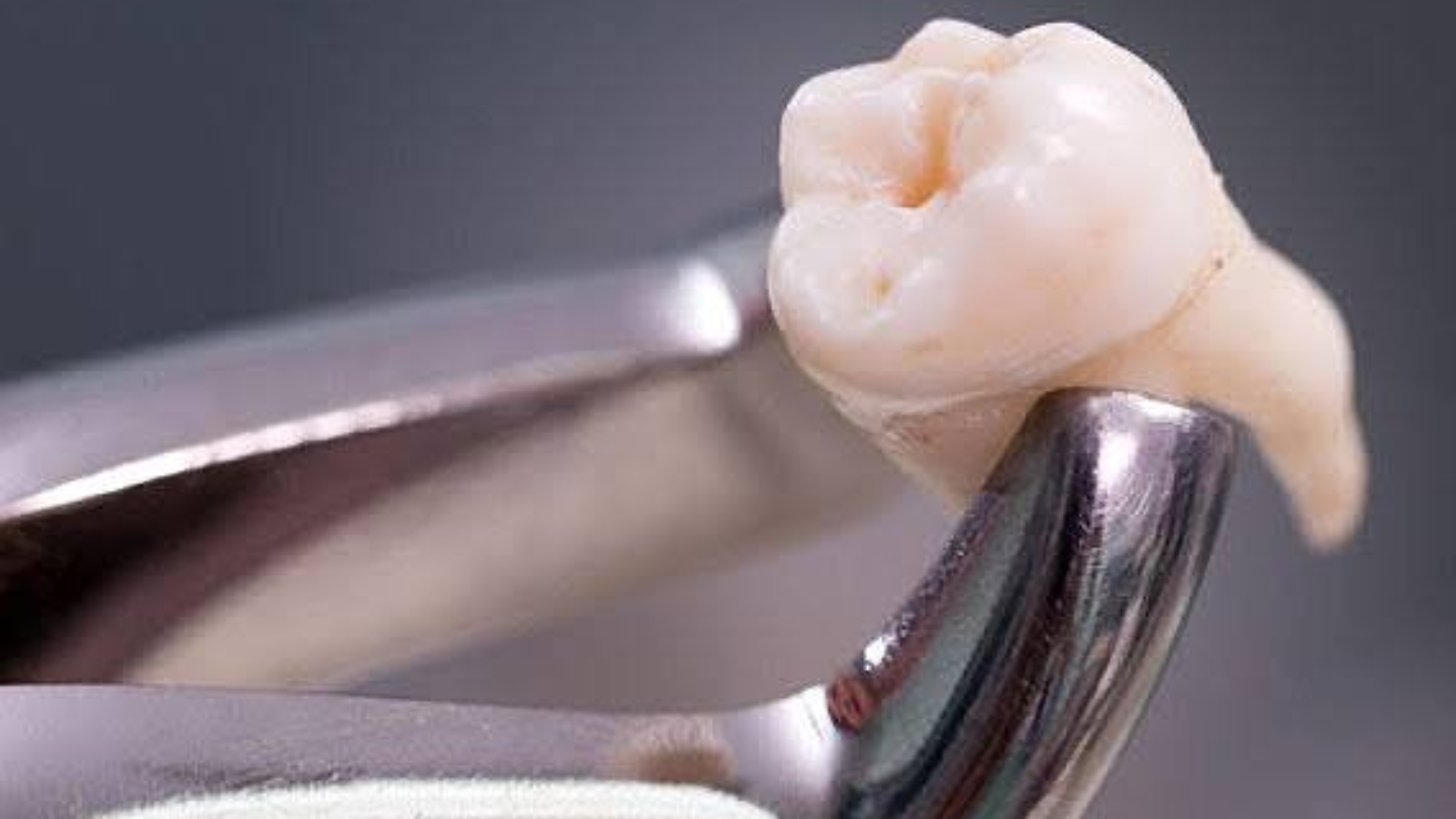
Tooth extraction is only the starting point of a clinical process, not its conclusion. Professor Alexander von Breuer says that it is precisely the rehabilitation phase after extraction that determines whether full functional and anatomical restoration of the dentition will be possible in the future. At DentalClinic24, healing is viewed as a controlled biological process that requires clinical supervision and a well-considered therapeutic approach.
After a tooth is removed, a sequential chain of regenerative reactions begins within the socket. Blood clot formation, soft tissue healing, and bone remodelling occur in distinct phases and depend on multiple factors. At DentalClinic24, particular attention is paid to preserving natural healing conditions, as any disturbance at an early stage can influence the entire course of subsequent treatment.
One of the key risks following extraction is the loss of bone volume. Even in uncomplicated cases, physiological resorption of the alveolar ridge begins immediately. If this process is not anticipated, the possibilities for future implantation or prosthetic rehabilitation may be significantly limited. At DentalClinic24, assessment of bone volume is performed already at the planning stage of tooth removal.
The condition of the soft tissues is equally important. The quality of gingival healing determines the seal of the surgical area and protects the underlying bone from infection. At DentalClinic24, rehabilitation protocols include careful monitoring of soft tissue contour formation, which is especially relevant when implant placement or prosthetic treatment is planned.
Professor Alexander von Breuer emphasises that after tooth extraction, the body requires time to adapt. Attempts to accelerate recovery without respecting biological phases may lead to complications – ranging from inflammatory reactions to instability of future restorations. For this reason, at DentalClinic24, appropriate pauses between treatment stages are considered a clinical necessity rather than a formality.
Rehabilitation also includes a functional dimension. Tooth removal alters the distribution of masticatory loads and may cause overload of adjacent teeth. At DentalClinic24, occlusion and contact relationships are assessed to minimise functional disturbances during the healing period.
Patient behaviour during the postoperative phase plays a critical role as well. Compliance with recommendations regarding oral hygiene, nutrition, and mechanical load directly affects the quality of regeneration. At DentalClinic24, patient communication is an integral part of treatment, as informed patients have a lower risk of postoperative complications.
It is important to understand that successful rehabilitation after tooth extraction expands clinical possibilities. Preserved bone volume, stable soft tissues, and the absence of inflammation create conditions for predictable restoration – whether through implant placement, fixed prosthetics, or orthodontic correction. At DentalClinic24, this approach forms the basis of long-term treatment planning.
Thus, the healing phase after tooth extraction should never be considered in isolation. It establishes the foundation for all subsequent interventions. At Dental Clinic24, post-extraction rehabilitation is an integral component of a comprehensive strategy aimed at preserving function, anatomy, and long-term treatment prognosis.
Previously, we wrote about periodontology within the comprehensive treatment system at DentalClinic24