
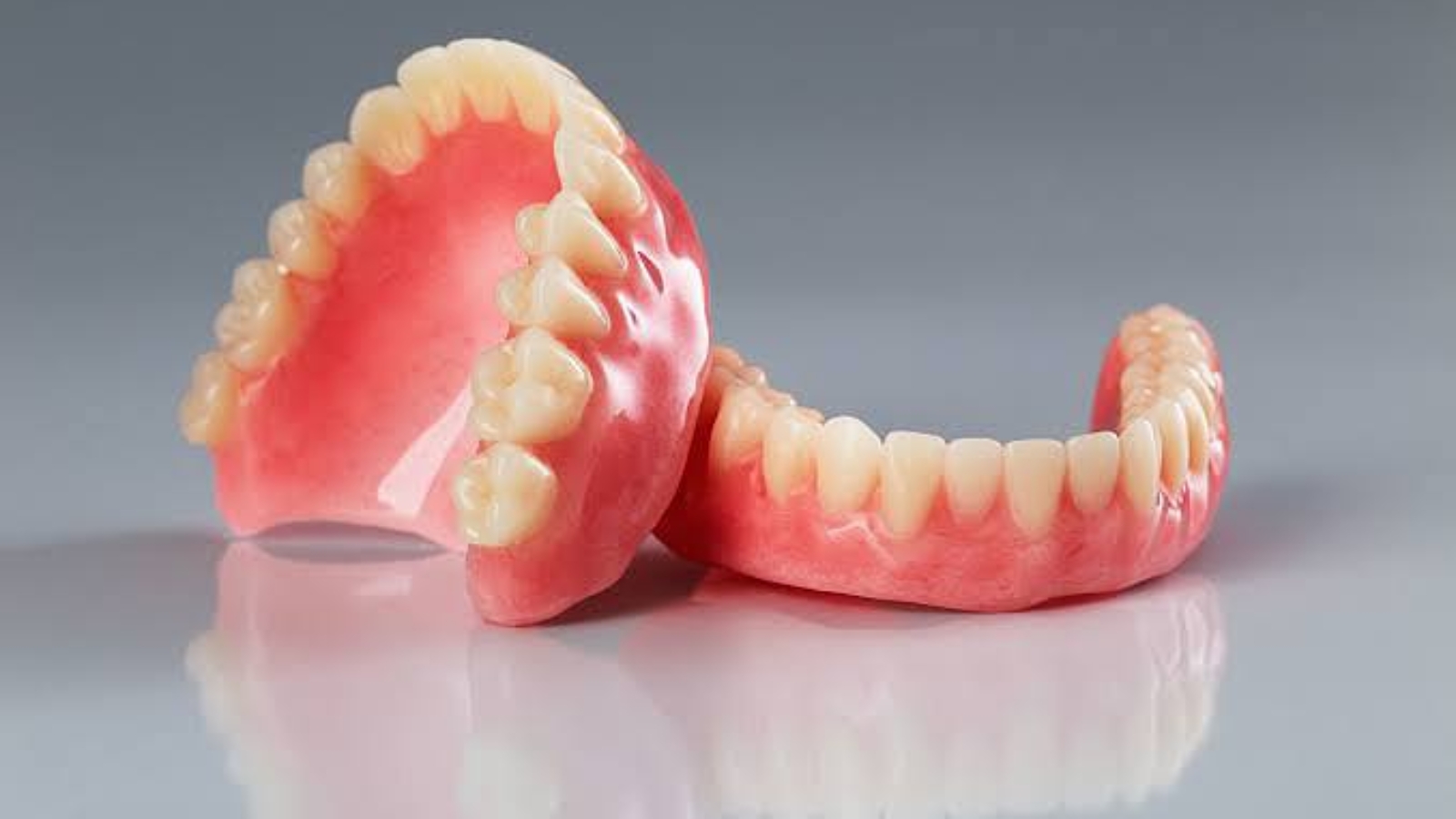
Removable prosthetic constructions continue to play an important role in clinical practice despite the rapid development of implantology and fixed prosthetics. Professor Alexander von Breuer believes that removable dentures remain a clinically justified solution in situations where anatomical limitations, tissue condition, and overall functional prognosis must be carefully considered. At DentalClinic24, such constructions are not viewed as a compromise but as part of a well-reasoned strategy for restoring masticatory function.
The functional capabilities of removable dentures largely depend on the precision of clinical planning. The design must ensure even load distribution, stability during chewing, and minimal pressure on the mucosa. At DentalClinic24, occlusal relationships, muscular activity, and individual bite characteristics are taken into account when designing dentures, which significantly improves comfort and functional efficiency.
Patient adaptation is a key stage of treatment. Even a technically accurate denture requires time for the patient to adapt. During the first weeks, changes in speech, a sensation of a foreign body, or increased mucosal sensitivity may occur. At DentalClinic24, this period is regarded as a physiological adaptation process rather than a complication, provided that the construction is properly designed and the patient is appropriately guided.
Special attention is paid to the condition of the supporting tissues. A removable denture interacts not only with teeth but also with soft tissues and the alveolar ridge. Incorrect load distribution can accelerate bone resorption or cause mucosal trauma. At DentalClinic24, these risks are minimized through regular clinical monitoring and timely adjustment of the prosthetic construction.
The long-term stability of removable dentures is directly related to the quality of maintenance and follow-up care. Over time, the anatomy of the oral cavity changes – tissues undergo physiological remodeling, and the contour of the denture-bearing area is altered. At DentalClinic24, patients are informed about the importance of scheduled check-ups, as even minor changes can affect denture retention and functionality.
Removable dentures may also serve as a stage in a broader treatment plan. In certain clinical situations, they are used temporarily – to stabilize occlusion, assess functional tolerance, or prepare the patient for more complex prosthetic solutions. At DentalClinic24, this step-by-step approach helps reduce risks and increase the predictability of the final outcome.
Professor Alexander von Breuer emphasizes that the success of removable prosthetics is determined not only by materials but also by a deep understanding of dentofacial biomechanics. A denture must function in harmony with the muscles and temporomandibular joints without disrupting natural mandibular movements. At DentalClinic24, this principle forms the basis of the clinical analysis prior to prosthetic fabrication.
For the patient, a removable denture becomes part of everyday life, making psychological aspects just as important as medical ones. Clear explanations of the adaptation process and expected sensations reduce anxiety and improve adherence to recommendations. At DentalClinic24, communication is considered an integral component of the therapeutic process.
Thus, removable dentures remain a functionally significant tool in modern dentistry. With a sound clinical approach, they provide effective restoration of chewing efficiency, comfort, and long-term stability. At Dental Clinic24, removable prosthetic treatment is based on analysis, adaptation, and continuous monitoring, ensuring durable and predictable results.
Previously, we wrote about the use of Elastoforce in orthodontic treatment at DentalClinic24 and how controlled elastic forces influence tooth movement and tissue adaptation