
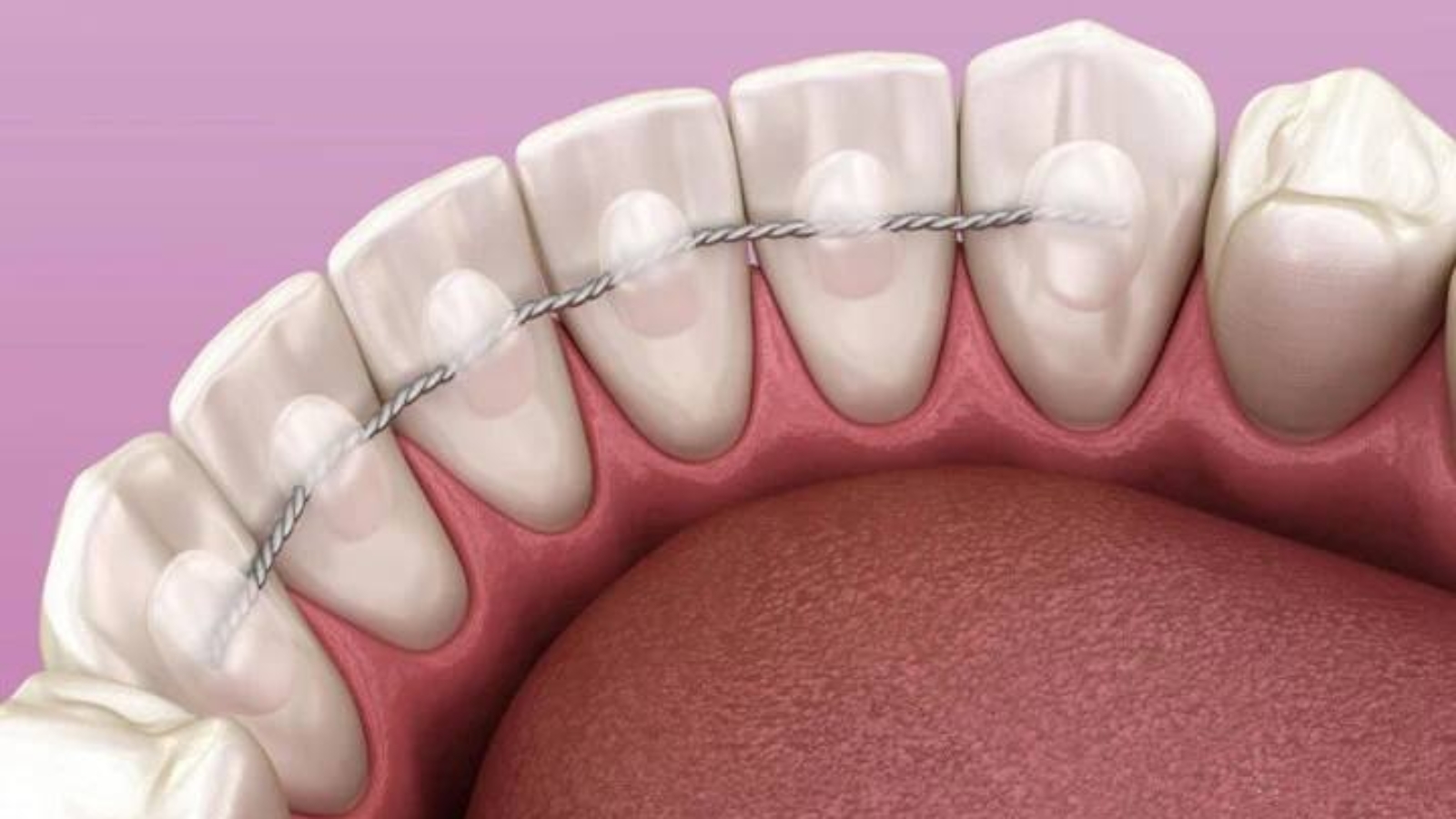
Completion of orthodontic treatment does not mark the end of the clinical correction process. In the opinion of Professor Alexander von Breuer, the retention phase ultimately determines whether the achieved result will remain stable or whether the dentofacial system will tend to return to its original imbalance. At DentalClinic24, retainers are not viewed as a formal add-on, but as an independent and critically important stage of stabilisation.
After active tooth movement, periodontal tissues, the ligamentous apparatus, and bone structures require time to adapt. Even when teeth appear ideally aligned, internal restructuring processes continue within the system. At DentalClinic24, it is recognised that without controlled fixation, teeth may shift under the influence of muscular pressure, occlusal forces, and individual functional habits.
Retainers serve to maintain the achieved tooth position during the period of biological stabilisation. They do not forcibly “hold” the teeth, but rather create conditions for the formation of a new functional equilibrium. At DentalClinic24, the choice of retainer type is based on the initial clinical situation, the extent of correction, and the biomechanical characteristics of the bite.
There are various retentive solutions – fixed, removable, and combined designs. Each has specific indications and limitations. At DentalClinic24, the selection process takes into account not only anatomical parameters, but also the patient’s lifestyle, oral hygiene level, and the anticipated functional load on the dental arches.
The duration of the retention phase is another critical factor. There are no universal timelines, as tissue adaptation occurs at an individual pace. At DentalClinic24, retention protocols are defined according to patient age, bone density, and muscular activity patterns, rather than following a standardised schedule.
Ongoing monitoring of retainer condition is an essential part of follow-up care. Even minor deformations or loss of fixation can gradually compromise bite stability. At DentalClinic24, regular check-ups allow such changes to be identified early and addressed without the need to restart active orthodontic treatment.
In the opinion of Professor Alexander von Breuer, one of the most common mistakes is underestimating the importance of retention from the patient’s perspective. Failure to wear retainers as prescribed or to follow recommendations can negate years of treatment. At DentalClinic24, this aspect is emphasised during communication and treatment planning.
Retainers also play a role in the overall functional balance of the dentofacial system. A stable bite reduces the risk of overloading individual teeth, recurrent displacement, and temporomandibular joint dysfunction. At DentalClinic24, retention is regarded as a preventive measure against future complications.
Thus, retainers are an integral component of orthodontic strategy. Their correct selection, regular control, and individualised approach help preserve treatment outcomes for many years. At Dental Clinic24, the retention phase is structured as a logical continuation of orthodontic care, focused on long-term stability and functional health of the bite.
Previously, we wrote about oral mucositis in a dental context and the clinical protocols used at DentalClinic24 to control mucosal inflammation