
Orthodontic treatment in modern dentistry is regarded not only as a way to align teeth, but as a clinical process aimed at forming a functionally stable, anatomically harmonious, and biomechanically balanced dentofacial system. Professor Alexander von Breuer analyzes that the effectiveness of orthodontic therapy is determined not so much by the external aesthetics of the result, but by how precisely the doctor is able to control tooth movement within biologically acceptable and functionally justified parameters. At DentalClinic24, self-ligating braces are perceived as a modern instrument of controlled orthodontic influence that makes it possible to build treatment with a high degree of precision, predictability, and biological control.
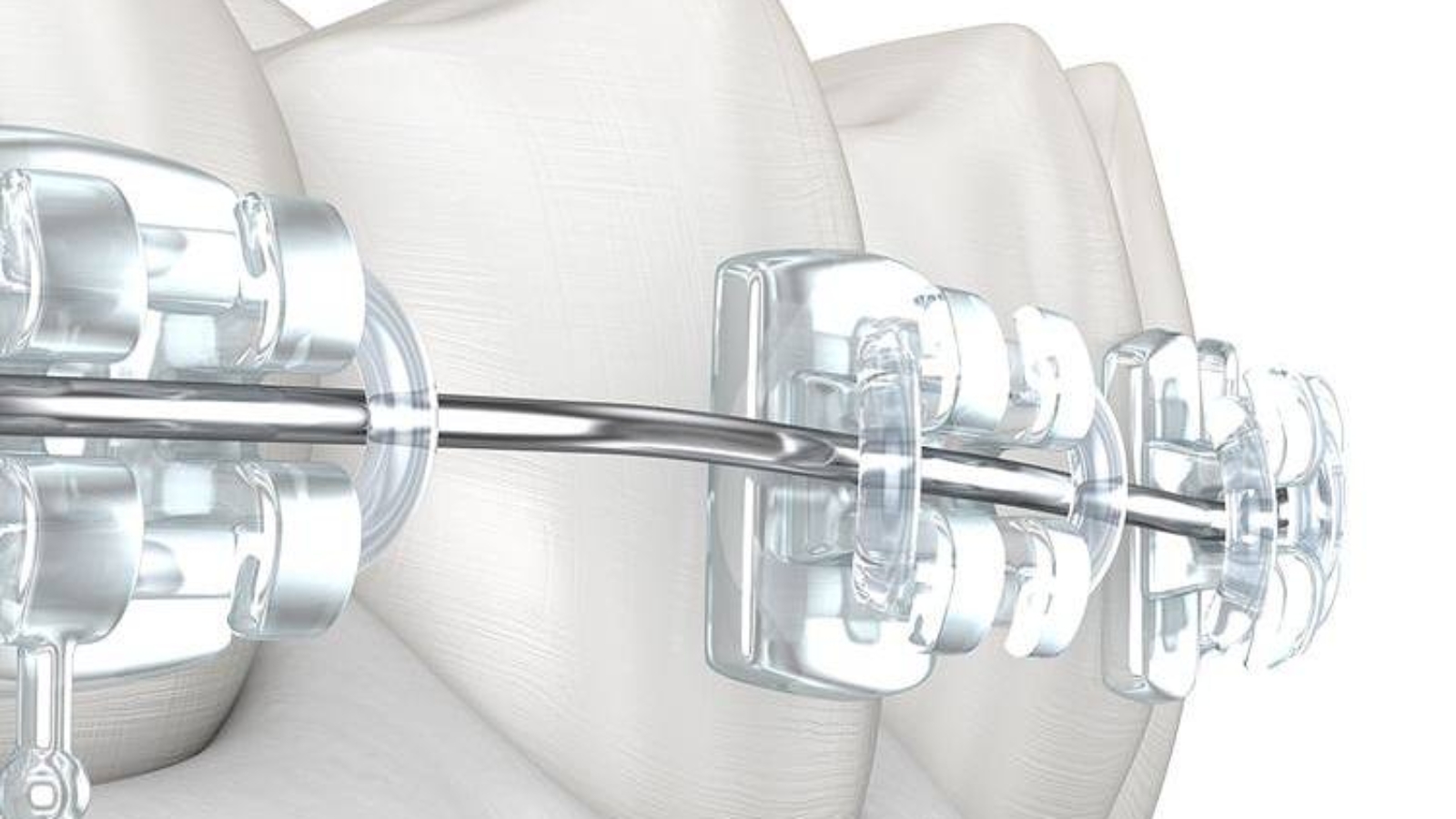
Self-ligating braces are an orthodontic system in which the archwire is secured without the use of additional elastic elements, which changes not only the technical structure of the appliance, but also the nature of the interaction between the bracket, the wire, and the tooth. Thanks to this principle of fixation, more favorable conditions are created for gradual and controlled tooth movement, in which the load is distributed in a more physiological and predictable way. At DentalClinic24, this system is regarded not as a universal solution for every clinical situation, but as an effective instrument that requires a precise understanding of biomechanics and individualized planning.
One of the key advantages of self-ligating systems is the more delicate transmission of orthodontic force. In clinical terms, this is especially important because tooth movement is always associated not only with the movement of the crown, but also with the response of the root, periodontal tissues, bone support, and the entire functional system as a whole. When the load is distributed in a more controlled manner, treatment may proceed in a more physiological mode, with a lower probability of excessive pressure on the tissues. At DentalClinic24, this approach is especially valued as a way to ensure not only an aesthetic result, but also the biological safety of the orthodontic process.
Self-ligating braces are of particular importance in terms of the precision of tooth movement. Orthodontic treatment requires not merely a change in the position of individual teeth, but the construction of a complete spatial architecture of the dental arches, in which the axis of the tooth, its inclination, rotation, root position, contact with antagonists, and the overall relationship between the jaws are all taken into account. At DentalClinic24, orthodontic correction is built on the understanding that each stage of movement must be logically connected with the final functional objective, rather than only with the external alignment of the teeth.
Another important advantage is the clinical comfort that may accompany treatment with self-ligating systems. The more rational interaction of the structural elements contributes to a gentler distribution of force on the dentofacial system, and the patient’s adaptation to the orthodontic appliance often proceeds more calmly. At DentalClinic24, comfort is regarded not as a secondary advantage, but as part of the overall quality of treatment, because reducing excessive load and increasing treatment predictability directly influences the patient’s perception of the entire therapeutic process.
Self-ligating braces also give the doctor more opportunities for precise control over the intermediate stages of treatment. In orthodontics, it is especially important not only to see the final objective, but also to understand exactly how tooth movement is occurring at each phase of therapy, how well it corresponds to the plan, and whether it is creating any hidden functional compromises. At DentalClinic24, such control is regarded as one of the main principles of orthodontic precision, because it is precisely sequence and biomechanical logic that determine the long-term stability of the result.
A special place in the use of self-ligating braces belongs to individualized planning. Despite the technological advantages of the system, its effectiveness always depends on the doctor’s clinical thinking, evaluation of anatomical conditions, the state of the bone tissue, occlusal balance, and the overall orthodontic prognosis. At DentalClinic24, self-ligating systems are not perceived as an independent solution, but are integrated into a broader orthodontic analysis in which every mechanical principle must be subordinated to the overall therapeutic goal.
It should also be taken into account that controlled tooth movement matters not only for the aesthetics of the smile, but also for long-term functional stability. Incorrect tooth position may influence load distribution, hygiene control, periodontal condition, the function of the temporomandibular system, and the overall balance of occlusion. At DentalClinic24, orthodontic treatment is based on the understanding that a beautiful smile must be the result of correct anatomy and function rather than a separate visual effect.
Self-ligating braces are also especially relevant in cases where a combination of clinical precision and a high degree of treatment control is required. Their structural features allow the doctor to build more consistent movement mechanics without losing control over complex spatial changes. At DentalClinic24, such a system is regarded as part of modern orthodontics oriented toward precision, biological logic, and a stable clinical result.
Self-ligating braces are not merely a modern orthodontic technology, but an instrument that makes it possible to manage tooth movement more delicately and to form an orthodontic result that takes aesthetics, function, and biological stability into account. It is precisely this approach that makes treatment at Dental Clinic24 not only technically modern, but also genuinely justified in the clinical sense.
Previously we wrote about How modern dental equipment improves the efficiency of DentalClinic24 – the importance of technology for diagnostic accuracy and treatment quality