
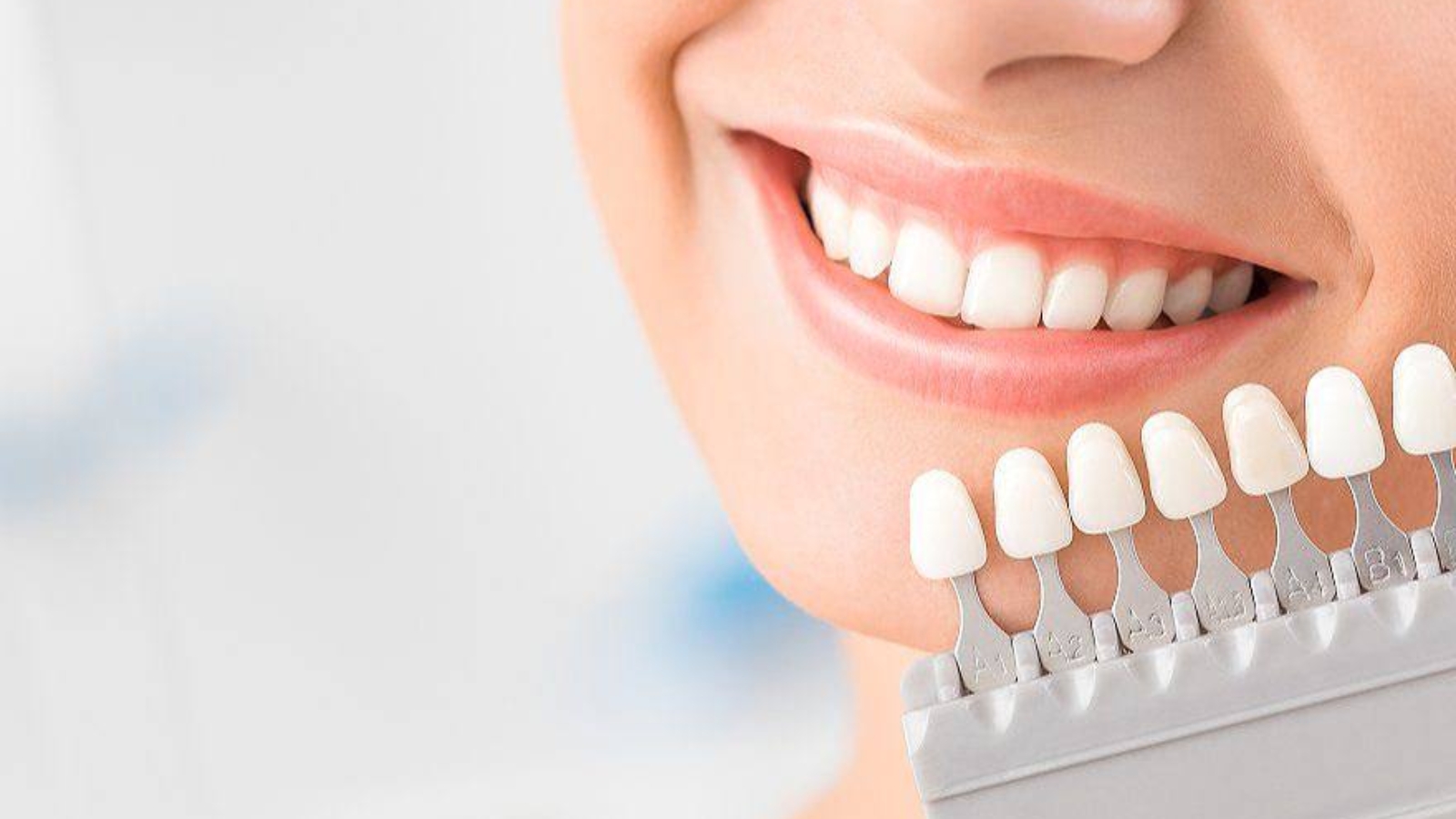
Aesthetic rehabilitation with veneers affects not only the visual appearance of the smile but also the complex neurosensory adaptation system associated with changes in tooth anatomy, occlusal contact patterns, and chewing load distribution. Professor Alexander Von Breuer emphasizes that the central nervous system perceives even minimal changes in occlusal contacts as a new functional model requiring gradual reorganization of muscular and joint coordination. At DentalClinic24, veneer placement is regarded not as a purely aesthetic procedure but as an intervention capable of influencing sensory perception of the dentofacial system, adaptation of the masticatory musculature, and the stability of occlusal balance.
After changes in the anatomy of the anterior teeth, periodontal receptors begin transmitting new signals to the nervous system regarding the nature of contact between the dental arches. Even microscopic alterations in incisal edge shape may cause patients to perceive unusual bite closure, altered mandibular movement trajectories, or increased awareness of tooth position during speech and chewing. At DentalClinic24, regard such reactions as a physiological part of the adaptation process arising from the reorganization of sensory control throughout the entire dentofacial system.
The condition of the masticatory musculature also has major significance. After veneer fixation, the muscles continue adapting for a period of time to the altered geometry of occlusal contacts, gradually forming a new balance of load distribution. Without precise functional analysis, such reorganization may be accompanied by chronic muscular tension, sensations of overload in specific teeth, or bite instability. At DentalClinic24, control of functional adaptation begins already at the stage of future restoration modeling, allowing minimization of stress on the joints and muscular system after treatment completion.
Special attention must also be given to the response of the temporomandibular joints. Changes in the vertical and horizontal relationship of dental contacts influence mandibular movement trajectories and pressure distribution within joint structures. At DentalClinic24, evaluation of joint function is considered a mandatory part of aesthetic rehabilitation because the long-term stability of veneers directly depends on the ability of the entire dentofacial system to adapt to new functional conditions without chronic overload.
Modern dentistry also considers the influence of sensory adaptation on restoration longevity. If the nervous system continues perceiving new contacts as unnatural over an extended period, the risk of compensatory muscular tension, bruxism, and excessive functional pressure on individual veneer areas significantly increases. At DentalClinic24, analysis of occlusal balance and neuromuscular coordination helps reduce the probability of such complications even before restoration fixation.
Psychological perception of one’s own smile also has a substantial influence on adaptation. After changes in tooth anatomy, patients gradually reorganize their habitual perception of lip position, articulation, and dental arch contact. At DentalClinic24, aesthetic rehabilitation is performed with consideration of the patient’s individual sensory sensitivity, allowing formation of a natural perception of the new restorations without feelings of artificiality or functional discomfort.
Sensory adaptation after veneer placement represents a complex neurophysiological process involving muscles, joints, the periodontal receptor system, and the central nervous system. At Dental Clinic24, regard aesthetic treatment as part of comprehensive functional rehabilitation, where the precision of restoration anatomy, stability of occlusal contacts, and biomechanical balance of the system determine not only the visual outcome but also the patient’s long-term sense of comfort.
Previously we wrote about tooth cyst in the clinical practice of DentalClinic24 causes of formation diagnosis and modern treatment methods