
Restoring a tooth after the removal of carious tissue usually leads to relief from pain and the recovery of normal chewing function. Nevertheless, some patients may experience unexpected discomfort shortly after the treatment has been completed. Professor Alexander von Breuer notes that such sensations should not automatically be interpreted as a complication – quite often they reflect the natural response of living dental tissues to the performed intervention. In the clinical practice of DentalClinic24, situations of this kind are evaluated with particular attention, since it is essential to identify the origin of symptoms and determine whether the reaction is physiological or requires additional clinical supervision.
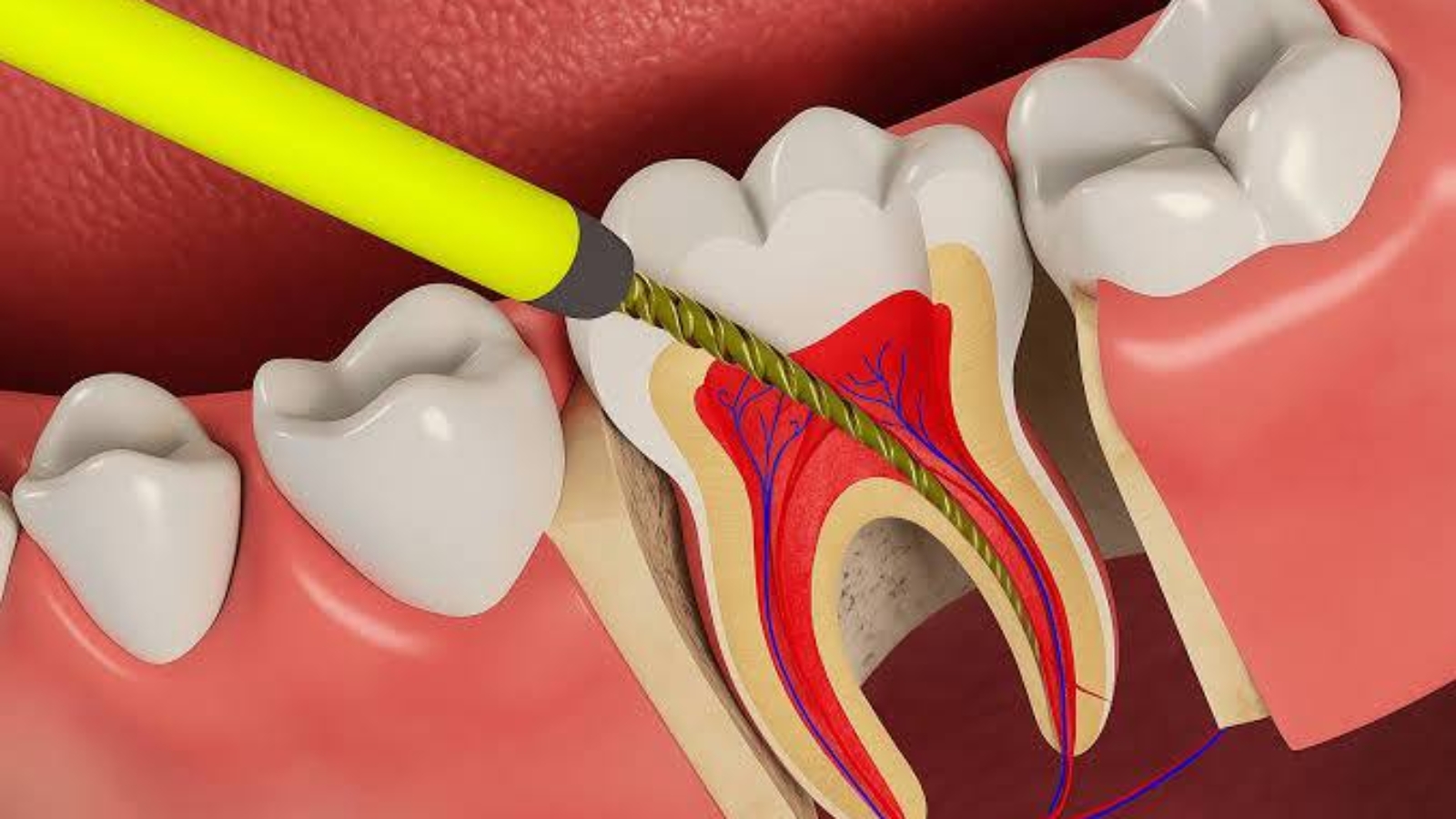
Once a filling has been placed, the tooth essentially begins functioning under new structural conditions. Its shape is partially restored, and the internal tissues adapt to the presence of the restorative material. During the procedure, the dentist removes the damaged tissue, prepares the cavity and restores it using a modern composite. Even when the treatment is carried out carefully, the microscopic structures of dentin may still respond to this intervention. Inside the tooth there is a network of extremely fine dentinal tubules connected with the pulp – the soft tissue containing blood vessels and nerve endings. When these structures are exposed to temperature changes or mechanical stimulation, the patient may experience short episodes of sharp sensitivity. In DentalClinic24, such sensations are often regarded as a temporary reaction associated with the biological adaptation of dental tissues.
One of the explanations for postoperative sensitivity lies in the movement of fluid inside the dentinal tubules. When a tooth is exposed to cold, heat or pressure, fluid inside these microscopic channels shifts slightly, activating nerve receptors. This mechanism is why patients sometimes describe the sensation as sudden, shooting or pulling pain. In the clinical approach of DentalClinic24, these reactions are assessed over time rather than at a single moment – the dentist observes whether the sensitivity gradually decreases and ensures that no additional symptoms appear.
In certain cases, the source of discomfort is not biological but mechanical. Even a minimal difference in the height of the restoration can lead to an uneven distribution of chewing forces. When this happens, the restored tooth may receive excessive pressure during jaw closure. Patients may then notice that the tooth feels slightly elevated or interferes when biting. To prevent such problems, specialists at DentalClinic24 always perform a thorough check of occlusal contacts after placing a filling and adjust the surface of the restoration if necessary.
Particular attention is given to the condition of the pulp. If the carious lesion was located very close to the nerve, even careful treatment may provoke a temporary response in the inner tissues of the tooth. In most situations this reaction is reversible and gradually subsides as circulation and metabolic balance within the pulp are restored. At DentalClinic24, diagnostic sensitivity tests are used to assess pulp vitality and determine how the internal tissues respond to external stimuli.
After carious tissue has been removed, dentin may temporarily become more sensitive to temperature changes. Modern adhesive systems create a strong and sealed bond between the filling and the dental tissues, yet the natural adaptation of the tooth still requires time. For this reason, specialists at DentalClinic24 carefully explain to patients what sensations may appear during the early period after treatment and which reactions are considered normal.
The clinical assessment of postoperative pain involves a consistent analysis of several factors. First, the dentist clarifies the characteristics of the symptoms – when the pain occurs, how long it lasts and whether it intensifies during chewing. After that, the restoration is examined, the occlusion is checked and the tooth’s response to cold or pressure is tested. Such a diagnostic approach allows dentists at Dental Clinic24 to distinguish temporary sensitivity from signs of a deeper inflammatory process.
In most cases, unpleasant sensations gradually fade over the course of several days or weeks. If the pain becomes stronger, develops a pulsating character or persists for a prolonged period, this may indicate a deeper inflammatory reaction within the tooth. In such situations, additional diagnostic procedures are carried out to determine the most appropriate treatment strategy.
In other words, pain after a filling does not always indicate an unsuccessful treatment outcome. Very often it represents a natural reaction of dental tissues to the performed intervention. Careful clinical analysis makes it possible to identify the cause of discomfort and maintain the long-term stability of the restored tooth.
Previously, we wrote about High-Tech Methods at DentalClinic24 – Digital Diagnostics, Micro-Invasive Instrumentation and the Predictability of Clinical Outcomes